
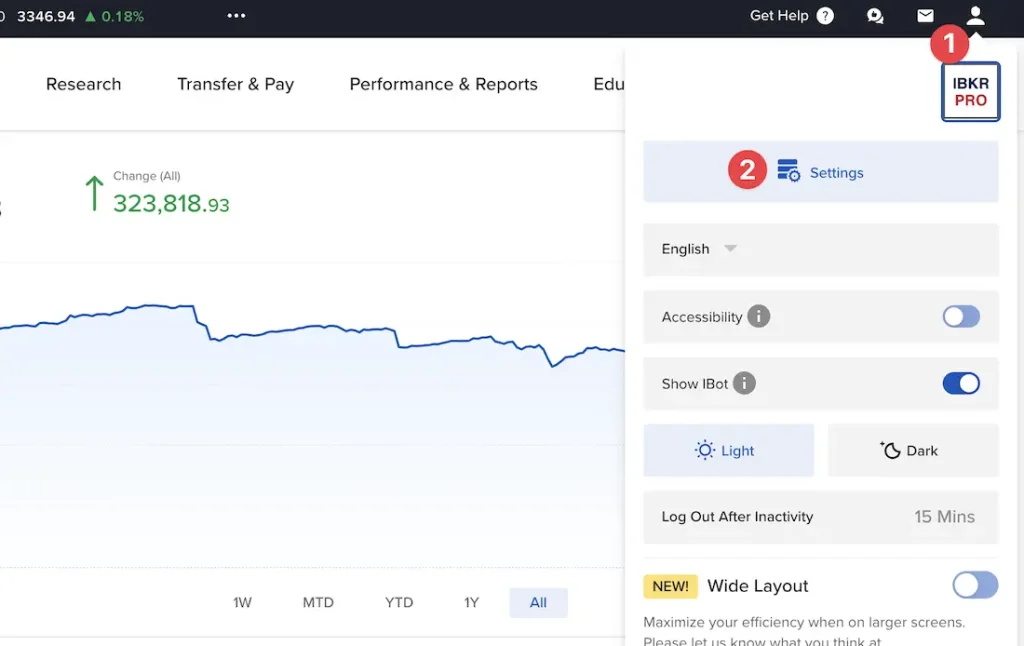
Understanding the nuances between account tiers offered by brokers is essential for investors aspiring to optimize their trading strategies in 2025. Brokers like Charles Schwab, Fidelity, and Interactive Brokers provide a spectrum of account options geared toward different trader profiles, from casual investors to active traders and options specialists. Each tier confers varying levels of access, services, risk exposure, and trading tools, all designed to align with the trader’s experience, objectives, and capital.
For example, entry-level accounts with brokers such as eToro or Robinhood present minimal barriers with no minimum deposits and commission-free trades, suitable for beginners. Conversely, advanced tiers available at platforms like Interactive Brokers and TD Ameritrade offer sophisticated trading environments and strategies — including options spread approvals and margin trading — but necessitate higher capital and experience thresholds.
Considering the extensive offerings within platforms like IG or Saxo Bank, investors must weigh the benefits of additional tools against potential fees. Strategic evaluation of these tiers can significantly influence trading success and risk management, making account selection a pivotal step in one’s financial journey.
In 2025, with markets evolving rapidly and technological platforms advancing, a clear grasp of the differences between broker account tiers empowers traders to maneuver effectively, ensure proper risk management, and capitalize on personalized services and research resources.
Key differentiators among broker account tiers in 2025
Brokerage account tiers fundamentally differ in terms of trading permissions, fee structures, and available resources. Basic tiers accessible through firms like Fidelity or Charles Schwab focus on zero-commission trades for stocks, ETFs, and options, paired with broad educational content aimed at novice investors. These entry points provide ample opportunities without overwhelming cost or complexity, ideal for those prioritizing long-term investment over rapid trading.
Meanwhile, elevated tiers unlock advanced features such as multi-leg options trading, margin access, and enhanced analytical platforms. For instance, Interactive Brokers and E*TRADE allow traders to execute complex option strategies like debit and credit spreads or even sell naked options, but typically only after verification of the trader’s experience and financial capacity. Such advanced levels also often include personalized advisory services and priority customer support, reinforcing their appeal to seasoned traders.
Navigating permissions and risk with options trading account levels
Options trading is stratified into levels, often ranging from 1 to 5, to manage risk and ensure appropriate knowledge before engaging in intricate strategies. Starting from basic Level 1 accounts, traders gain permissions to write covered calls against stock holdings, providing a conservative entry into options.
Progression to Level 3 and beyond entails permission to implement spreads — multi-leg orders designed to mitigate risk — and eventually credit spreads and selling uncovered (naked) options, which present higher risk and reward potential. These higher tiers, offered by brokers like Interactive Brokers and TD Ameritrade, require traders to pass rigorous approval processes assessing their experience and financial qualifications.
The tiered system is not merely a regulatory hurdle but a risk management mechanism protecting both traders and brokers. Leveraging this system prudently also reflects on trading discipline, preventing novice investors from prematurely engaging in complex trades that can jeopardize capital.
Accessing advanced tools and advisory services across tiers
While lower-tier accounts provide essential trading functions with minimal fees, premium tiers frequently enhance these with sophisticated technological tools and personalized advisory services. Charles Schwab’s thinkorswim platform and Fidelity’s Active Trader Pro cater to investors seeking comprehensive charting, technical analysis, and real-time market insights.
Moreover, brokers like Merrill Edge and Ally Invest offer tiered wealth management, blending human advisors with robo-advisory options. Such services are typically reserved for more affluent clients meeting minimum balance requirements, reflecting an investment in tailored portfolio strategies and ongoing support to adapt to dynamic markets.
Balancing cost, control, and service when selecting a brokerage tier
Choosing a brokerage tier often demands a balance between minimal costs and desired service levels. Entry-level accounts favor investors who prioritize low fees and straightforward access, evident in platforms like Robinhood and Webull, which accommodate active day traders with commission-free trades and intuitive interfaces.
Conversely, paying higher fees for enhanced services in upper tiers might prove beneficial for sophisticated traders requiring access to global markets, advanced algorithmic trading, or exclusive research, as seen with SogoTrade or TradeStation. These traders accept increased expenses for tighter spreads, professional-grade tools, and personalized account management essential for complex strategies.
