
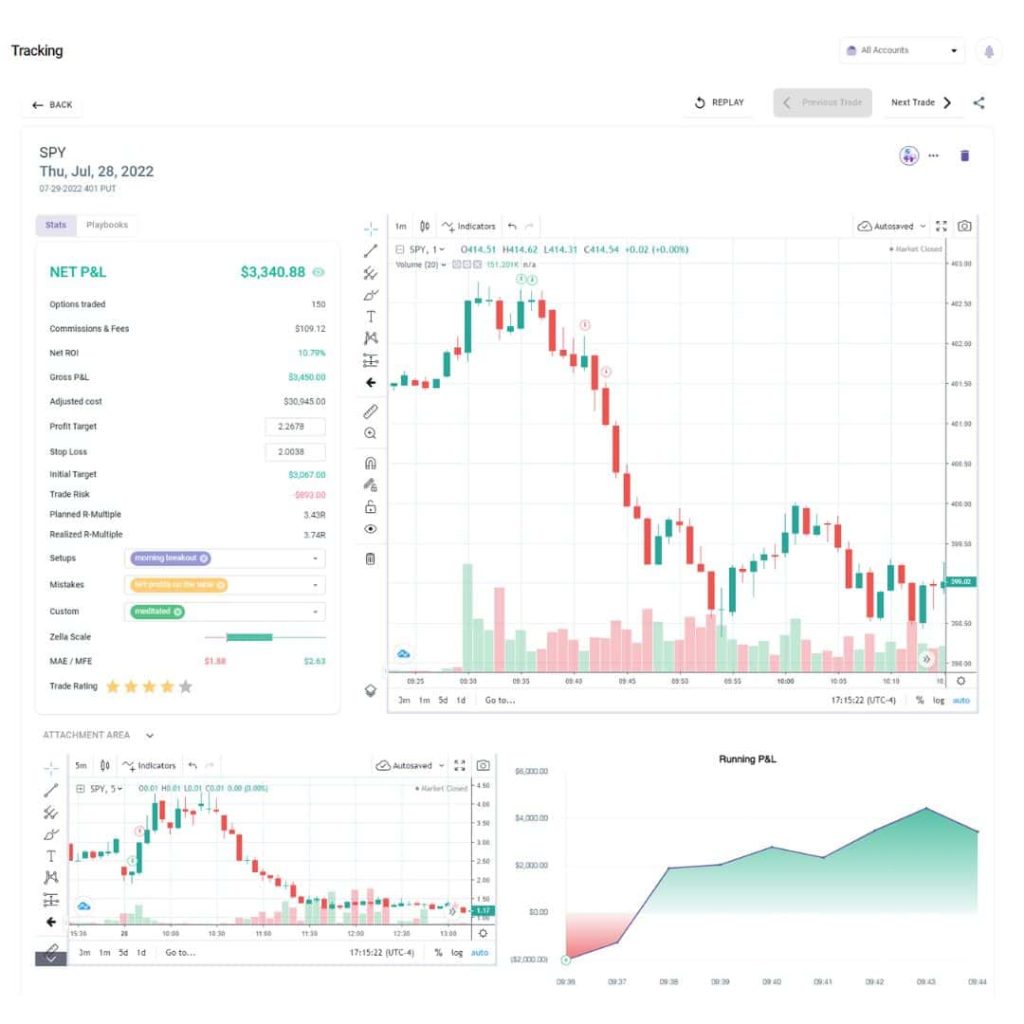
Maintaining detailed and accurate trading records has become indispensable in today’s complex financial markets. Meticulous documentation serves not only as a backbone for strategic improvement but also as an essential tool for compliance with evolving regulations. By systematically capturing each trade’s nuances—including type, timing, market conditions, and strategy—traders unlock insights that transcend day-to-day fluctuations. This wealth of data enables the identification of profitable patterns, enhances decision-making, and gains critical clarity in navigating diverse market sectors.
While the process might appear tedious, persistent journals have unveiled latent opportunities that traditional analysis often misses. For instance, recognizing sector-specific behaviors underpins why oil stocks demand different tactics than utilities. Such revelations underline the transformative potential of disciplined record-keeping and continuous review, turning raw transaction data into a strategic advantage.
Amidst industry giants like Bloomberg, Refinitiv, and platforms including IBKR (Interactive Brokers) and TradeStation, sophisticated record management is no longer optional but fundamental. Traders who harness these tools with a structured approach reap benefits both in optimizing performance and maintaining compliance integrity.
In brief:
- Precise trade documentation is foundational for performance enhancement and regulatory adherence.
- Analyzing trading logs reveals actionable patterns, assisting in tailoring strategies to sector behavior.
- Integrating technology—such as trading journal software—streamlines data management and analysis.
- Routine reflection on records cultivates discipline and supports emotionally intelligent trading decisions.
- Compliance with regulations, facilitated through meticulous records, protects traders and brokers in a competitive market landscape.
Essential components of effective trading records for 2025
In a landscape where financial technology giants dominate, maintaining comprehensive trading logs demands attention to specific details. Each entry should catalog the nature of the trade—whether long or short—alongside precise timestamps and contextual market parameters such as the opening index value and the prior day’s performance both at the market and stock levels. Incorporating average volume and profit/loss statistics relative to the ticker and trade strategy enables an in-depth overview that transcends basic bookkeeping.
This approach not only facilitates strategy refinement but also enhances real-time decision-making. A trader utilizing platforms like MetaTrader or NinjaTrader benefits significantly by integrating these data points into their records, enabling pattern recognition that could distinguish a mere coincidence from a sustainable edge.
Why detailed transaction data transforms trading outcomes
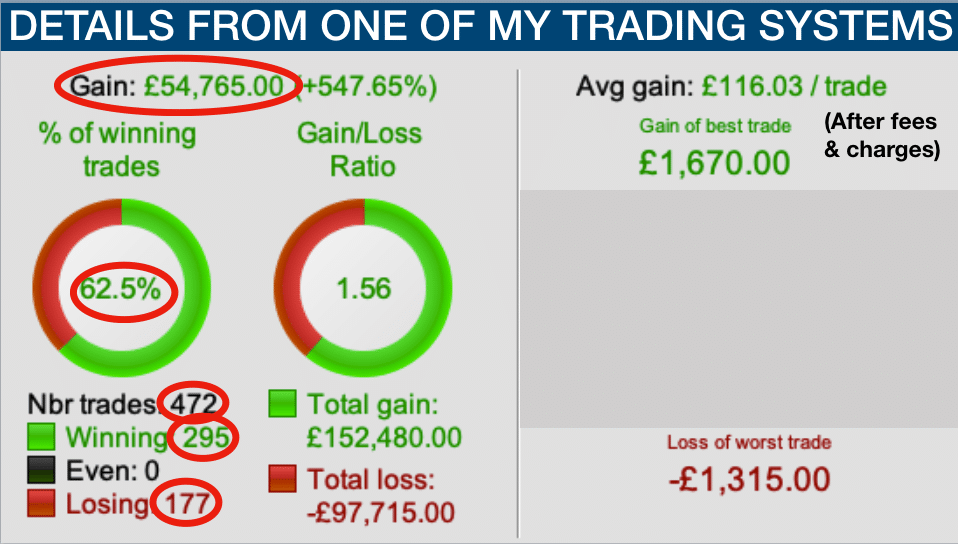
Discovering meaningful patterns within a large volume of trade data is a cornerstone of trading success. For example, a day trading strategy observed over 50 sessions demonstrated a 67% win rate, with average winning days yielding $693 versus losing days averaging $462. This kind of granular insight allows traders to calculate an expected daily profit—in this scenario, $358—grounded in rigorous data rather than speculation.
Further examination revealed that the strategy involved 29 positions daily, split between long and short trades, each with a relatively modest position size of $5,000. This granular monitoring across different sectors highlighted that distinct industries react uniquely to market stimuli, demanding sector-specific adjustments to approaches.
A practical takeaway is that trading methodologies must be continuously tested against evolving market data, with a high emphasis on recognizing the logical basis for observed patterns rather than attributing success to luck or curve fitting.
Leveraging technology to maintain and analyze trade records
Trading journal software is rapidly becoming indispensable for traders aiming to impeccably document activities while gaining analytical advantages. Solutions ranging from robust spreadsheet platforms like Microsoft Excel to specialized tools such as PsyQuation, Trademetria, and TradesViz offer features tailored to optimize record-keeping workflows. These platforms facilitate automated data entry, real-time performance tracking, and sophisticated analytics crucial for identifying winning strategies.
By adopting trading journal programs compatible with industry leaders like Schwab, Fidelity, TD Ameritrade, and E*TRADE, traders can synchronize operations across multiple accounts and platforms. This cohesive record-keeping ecosystem grants superior transparency and enhances decision agility. Sophisticated visualization tools within software like Edgewonk also empower users to dissect their trading psychology and behavioral patterns, integral components of sustained success.

Integrating record-keeping within regulatory frameworks
Adherence to regulatory standards is a non-negotiable facet of maintaining trading records. Compliance under entities like FINRA and the SEC demands exhaustive documentation to demonstrate audit readiness and transparency. Brokers and traders alike must manage records with security and reliability, safeguarding client communication and transaction data.
Failing to uphold these standards can result in significant penalties and loss of reputation. Resources that demystify these requirements emphasize not only storing data but doing so in formats and structures that facilitate swift retrieval and analysis. Partnering with well-regarded brokers known for strict adherence to regulation—integrating guidance from sources like industry compliance resources—provides an added layer of protection and efficacy.
Developing a disciplined routine for journal maintenance
Establishing a consistent habit of recording trades immediately after execution, including stop losses and take profits, is critical. This practice preserves accuracy and builds a repository of dependable data. Traders should allocate regular intervals for reviewing their journals—whether daily, weekly, or monthly—to draw insights on patterns and outcomes.
The commitment to honest and thorough entries, embracing both successes and errors, nurtures emotional intelligence and self-awareness. Recognizing the psychological factors that influence trading assists in refining strategies and avoiding impulsive decisions, a vital competence for long-term traders leveraging platforms like IBKR or MetaTrader.
