
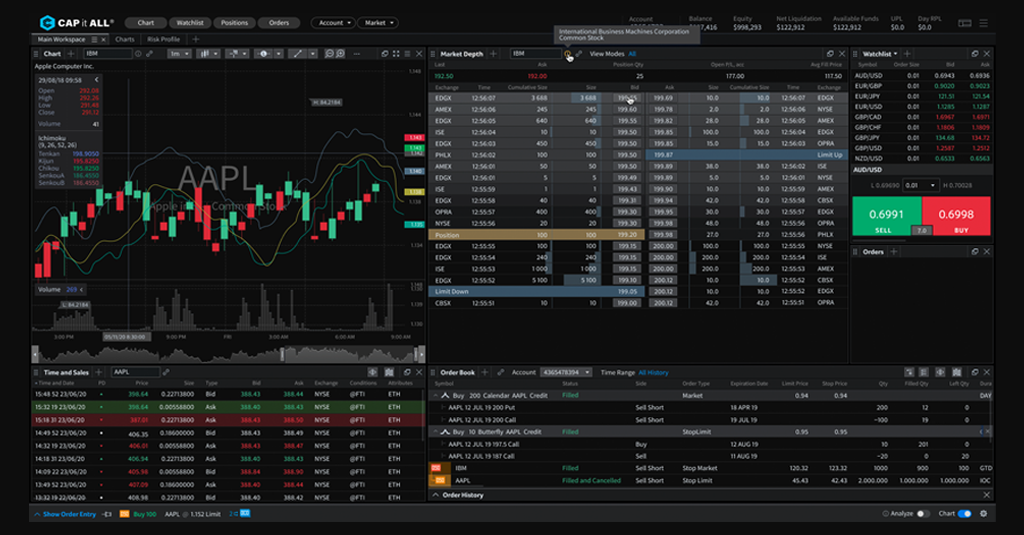
Elite broker platforms in 2025 have redefined the landscape of trading with features that elevate user experience, security, and investment versatility. The discerning investor today demands more than just access to markets; they seek seamless integration of advanced analytics, personalized advisory services, and robust educational tools. Charles Schwab and Fidelity Investments exemplify this trend, boasting comprehensive commission-free trades and an expansive suite of in-house research and market insights that empower investors across experience levels. Meanwhile, platforms like Interactive Brokers and TradeStation push the boundaries with sophisticated charting tools and customizable strategies tailored for the seasoned trader.
Emerging alongside traditional giants, brokers such as Webull and eToro introduce vibrant social trading communities, enabling real-time knowledge exchange and collective strategy development. The absence of cryptocurrency direct trading on some platforms contrasts sharply with the increasing demand seen on others, highlighting the importance of aligning broker capabilities with individual trading priorities. Critical differentiators such as zero or minimal fees on stocks, ETFs, and options align with investor expectations, yet the variation in fees for futures, mutual funds, or over-the-counter trades may influence broker selection.
Customer service and platform reliability remain paramount, with 24/7 support and granular security measures defining trust in the digital era. Furthermore, advisory services ranging from robo-advisory to personalized wealth management add layers of tailored financial guidance. As investors navigate this evolved marketplace, understanding the distinctive strengths and compromises of leading platforms like Merrill Edge and E*TRADE becomes essential for crafting an investment approach both dynamic and resilient.
- Commission-free trading on U.S. stocks, ETFs, and options is standard among elite brokers such as Charles Schwab and Fidelity.
- Advanced tools and complex order types distinguish Interactive Brokers and TradeStation for experienced investors.
- Social investing features by eToro and Webull foster collaborative trading environments.
- Robust educational resources and personalized advisory services are critical differentiators.
- Security protocols and customer support capabilities heavily impact platform trustworthiness.
- Fee structures vary significantly for assets like futures and mutual funds, influencing broker choice.
Core Investment Offerings Setting Elite Brokers Apart in 2025
Among the defining features of top-tier brokerage platforms is their breadth of investment products, expertly curated to appeal to diverse investor profiles. Charles Schwab leads with an extensive catalogue including listed stocks, ETFs, options, and selectively some mutual funds—all commission-free—with no minimum deposit barrier. Fidelity Investments mirrors this approach while expanding into fractional shares and cryptocurrency trading, although direct crypto purchases remain segmented across platforms.
In contrast, Interactive Brokers amplifies choice with access to global markets spanning futures, options, bonds, and beyond, appealing to the advanced investor seeking depth and market coverage. E*TRADE and Merrill Edge focus on providing robust research paired with user-friendly platforms, facilitating mutual funds and whole-share investments. Social investing pioneers like eToro enhance investment diversity by integrating features that allow strategy copying and community engagement, aligning investment decisions with collective insights.
Technological Innovation in Trading Platforms
The sophistication of technology underpinning elite broker platforms is a central component that distinguishes them. Thinkorswim by Charles Schwab and Trader Workstation from Interactive Brokers exemplify this through their advanced charting capabilities, algorithmic trading support, and comprehensive market scanners. TradeStation’s customizable dashboards and backtesting tools empower traders to refine strategies before execution—a critical step for managing risk and optimizing returns.
Moreover, mobile and web app integrations have grown indispensable, offering fluid user experiences without sacrificing functionality. Platforms such as Webull and Robinhood innovate with intuitive designs that accommodate day traders and beginners alike, incorporating features such as in-app communities, live paper-trading competitions, and extended trading hours. Meanwhile, the seamless integration between Merrill Edge and Bank of America accounts exemplifies convenience by simplifying banking and investing workflows under a single digital roof.
Research and Advisory Services as Pillars of Elite Brokerage Platforms
Elite broker platforms distinguish themselves not only by execution capabilities but also by the depth of their advisory and research services. Scholarly market analysis integrated into platforms like Merrill Edge paired with personalized wealth management programs elevate investment oversight, complementing sophisticated tools offered by Interactive Brokers and TradeStation.
Robo-advisory services offer automated portfolio management on platforms such as Fidelity, enabling investors to tailor their risk profiles while minimizing fees. Meanwhile, extensive educational offerings, including webinars, podcasts, and in-person events—championed by Charles Schwab and Fidelity—serve to demystify the complexities of the market, fostering investor confidence and competence.
This symbiosis between technology, education, and advisory elevates the investor experience, balancing hands-on trading with expert insights and strategic oversight, which is indispensable in navigating volatile or complex markets.
