
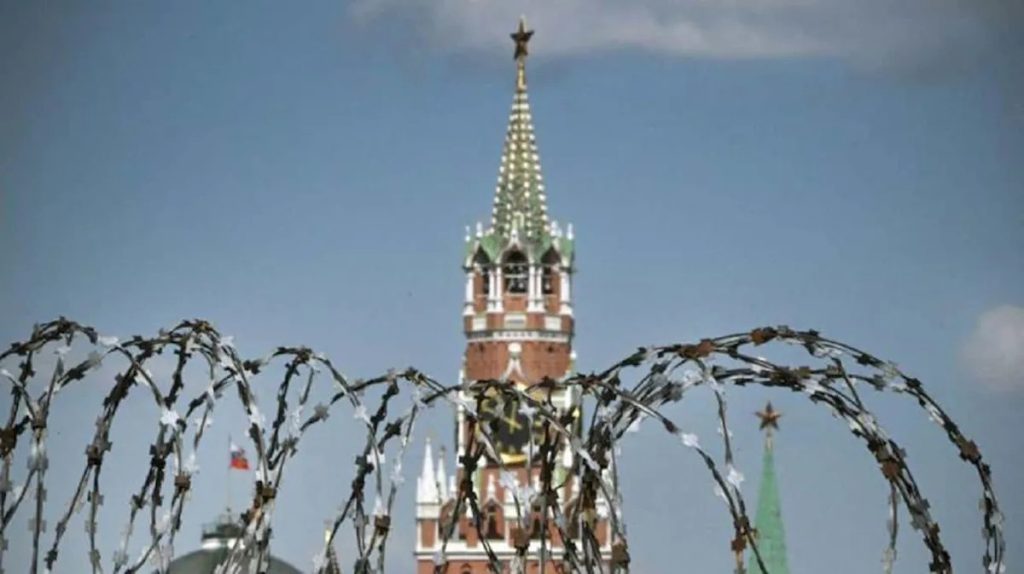
The Kremlin’s recent proposal regarding the release of French researcher Laurent Vinatier, detained in Russia for over 18 months, has revived cautious optimism amid complex geopolitical tensions. While exact details remain undisclosed, this development sheds light on the often unseen dynamics of international diplomacy, characterized by silent negotiations and strategic exchanges. According to Bertrand Badie, an esteemed expert in international relations, these talks are less about public declarations and more about subtle, calculated moves leveraging existing legal and diplomatic disputes as a form of prisoner exchange. In a context where statecraft blends firmness with pragmatism, the Kremlin’s stance reflects Moscow’s broader strategy to assert influence while opening discreet channels with European players.
In brief:
- Laurent Vinatier has been detained in Russia since mid-2024 under accusations linked to foreign agent laws, with new espionage charges intensifying his legal predicament.
- The Kremlin’s proposal to France signals a possible pathway for Vinatier’s release, positioned within longstanding diplomatic contentions involving Russian and French citizens.
- Bertrand Badie emphasizes that such delicate negotiations typically unfold quietly, harnessing existing disputes as currency for prisoner exchange, rather than relying on public overtures from political leaders.
- The broader geopolitical context, including strained relations between Russia, Europe, and the U.S., colors these interactions, where displays of firmness coexist with behind-the-scenes negotiations.
Kremlin’s Discrete Diplomacy and the Case of Laurent Vinatier
The intricacies of the Kremlin’s recent approach reveal a nuanced shift in how international conflicts and detentions are managed. Far from the days when hostages or detainees were kept without negotiation, the current paradigm favors silent negotiations—a method where state actors quietly maneuver through existing grievances. This is evident in Moscow’s handling of Laurent Vinatier’s case, where the Kremlin appears willing to leverage unresolved legal entanglements involving French and Russian citizens as negotiation currency.
Bertrand Badie clarifies that this strategy, while increasingly common, is a double-edged sword. On one hand, it enables diplomatic progress and potential resolutions; on the other, it risks empowering the party initiating the exchange, in this case potentially Vladimir Putin’s administration, by portraying strength and control in international affairs. Importantly, these talks usually take place away from the public eye, often conducted through skilled diplomatic channels such as the French embassy in Moscow led by ambassador Nicolas de Rivière.
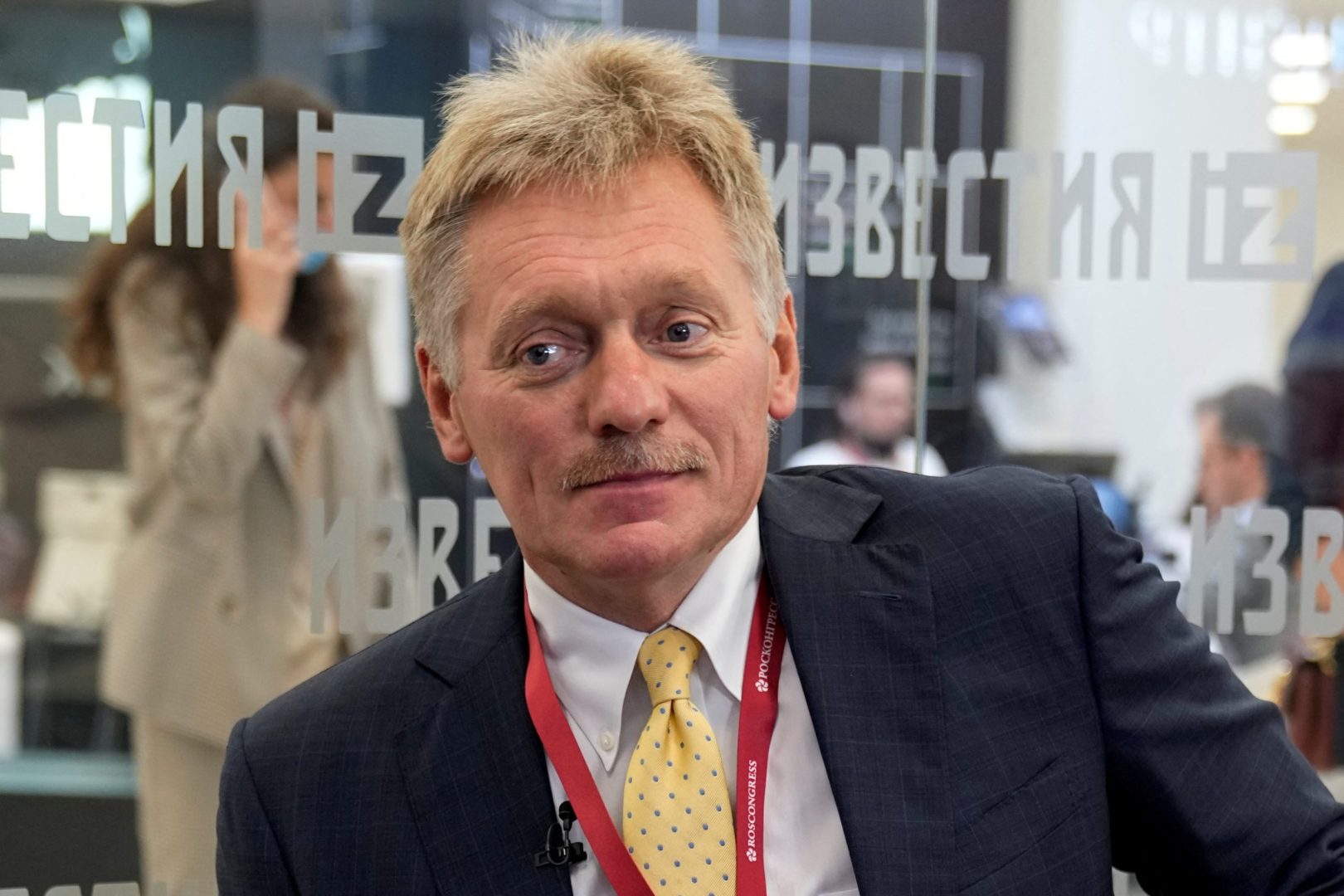
Beyond Public Statements: The Substance of Diplomatic Backchannels
Public declarations, such as those from President Emmanuel Macron expressing readiness to engage with Vladimir Putin, have limited impact on the ongoing silent negotiations. Bertrand Badie suggests that these high-profile statements serve more as political signaling rather than catalysts for breakthroughs. The real work happens behind closed doors, insulated from media scrutiny. It’s within these discreet venues that nuanced diplomacy—the art of trading concessions and leveraging unresolved legal disputes—prospers.
This dynamic complicates the public’s understanding of how prisoner releases materialize, often masking the strategic patience and calculated timing involved. It is also emblematic of a broader pattern in international relations where the so-called ‘soft’ power exerts influence through subtle, indirect means rather than overt pressure.
Implications of the Kremlin’s Proposal on the European Geopolitical Landscape
The Kremlin’s move to propose an exchange involving Laurent Vinatier underscores a strategic balancing act between showcasing authority and preserving diplomatic flexibility. This tactic sits within a broader context where Russia positions the West, particularly the European Union and the United States, as adversaries in the political arena—a narrative that portrays the ‘collective West’ as a source of conflict.
The parallel tensions between Europe and the U.S., notably exemplified by the recent U.S. travel restriction on Thierry Breton, emphasize the fragmented nature of Western cohesion. Such actions, while symbolic, reveal underlying discord that Russia can potentially exploit by isolating European voices. Within this fraught environment, prisoner exchanges and diplomatic proposals become arenas for demonstrating influence and control rather than mere gestures toward peace.
Prospects for Peace and the Weight of Diplomatic Strategy
While meetings like the upcoming encounter between Volodymyr Zelensky and Donald Trump hint at ongoing peace initiatives regarding the Ukraine conflict, experts warn against overestimating immediate progress. Diplomatic processes inherently involve deliberate pacing and cautious rhetoric to maintain negotiation channels open and avoid assigning blame for stalled talks.
Bertrand Badie describes this as the ‘lexicon of diplomacy’—a daily ritual of affirming progress regardless of stalemates. This approach helps preserve dialogue, crucial in a landscape riddled with strategic rivalries and complex prisoner exchanges such as that involving Laurent Vinatier. Each symbolic act, whether a proposal or meeting, plays into a grander chessboard of influence, power, and cautious engagement.
