
The escalating tension between management and staff unfolds as an employee suddenly finds their workload doubled by a demanding boss. This surge not only tests endurance and capacity but sets the stage for a dramatic confrontation involving a compensation demand and a consequential hearing assessing termination. The situation encapsulates the complexities of workplace dynamics in a volatile employment landscape, where disputes over responsibilities and remuneration frequently ignite conflict.
En bref :
- Workload increases without commensurate compensation often lead to employee dissatisfaction and requests for raises.
- Managers must navigate raise requests carefully to maintain morale and prevent escalation into formal disputes.
- Termination hearings following such conflicts highlight the delicate balance between business needs and employee rights.
- Effective negotiation and clear workload management are essential to reduce workplace drama and conflict.
- Industry cases like strikes and employment disputes underline the importance of transparent communication in mitigation.
Unpacking the Workload Surge and Its Impact on Employee Morale
When a boss unexpectedly doubles an employee’s workload, it sends more than just operational ripples through the workplace. The sudden spike demands both heightened time investment and cognitive bandwidth, often leading to stress and burnout. This situation reflects the core issue identified in numerous reports on workload management and employee unrest. Employees facing heavier workloads without fair recognition or reward typically experience diminished motivation and a sense of undervaluation, exacerbating workplace tension.
From an employment perspective, such unilateral decisions can be perceived as unfair treatment, fostering resentment that undermines team cohesion. Recognizing workload equity and involving staff in assignment decisions have become best practices to reduce conflict and avoid spiraling into more serious disputes.
Negotiating Raises: A Critical Juncture in Employment Relations
Following the overload, employees requesting a raise signal a fundamental assertion of their professional worth and their rights within the employment contract. This negotiation phase is pivotal. A boss’s response can either defuse tension by acknowledging contributions fairly or fan the flames of conflict through dismissiveness.
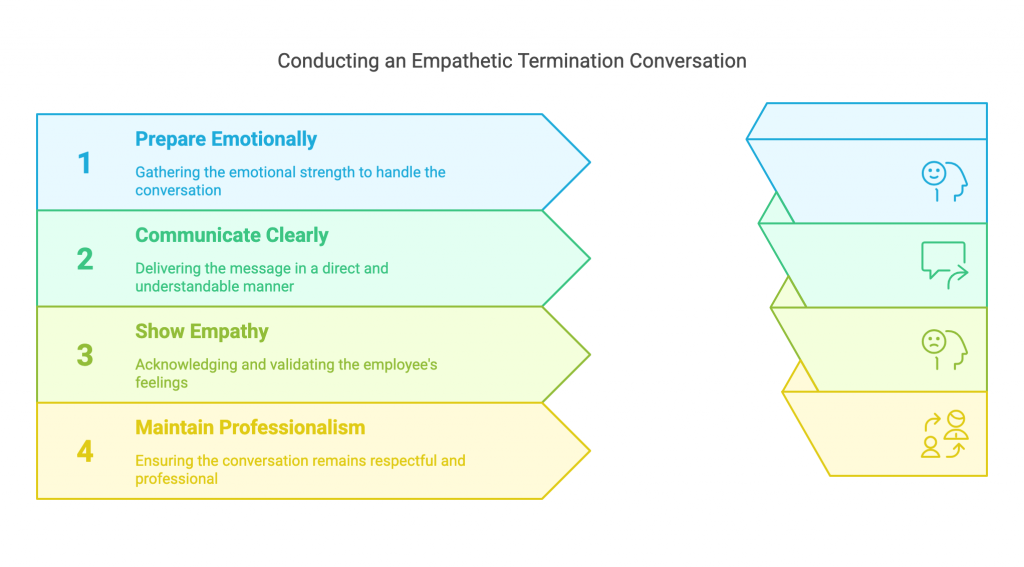
Effective handling of such requests requires structured approaches outlined in modern employment guides focusing on salary increase guidelines. These strategies emphasize transparency, preparedness, and respect for dialogue, ensuring the negotiation respects both parties’ interests. Neglecting these protocols may lead to prolonged dissatisfaction and unpredictably escalate workplace drama.
The Escalation to Termination Hearing: Navigating Uncertain Waters
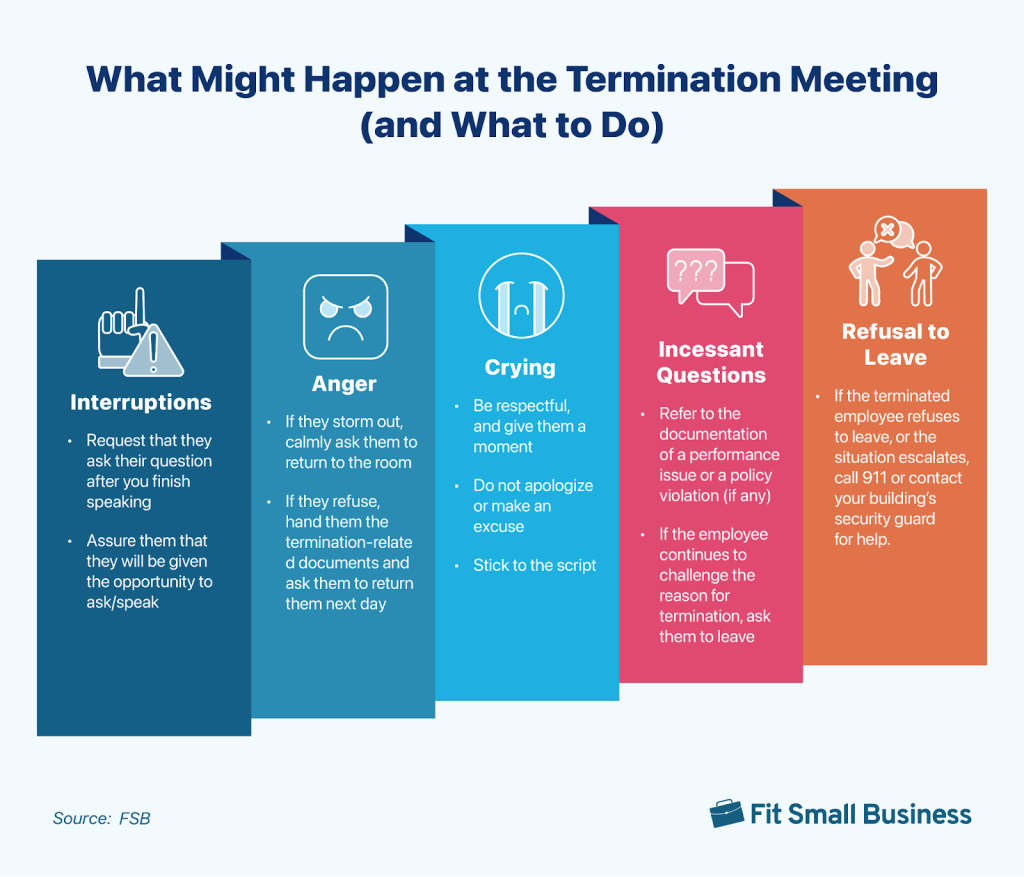
When the dispute over workload and compensation culminates in a termination hearing, the situation transcends routine conflict resolution and enters legal and procedural territory. This stage underlines the fragility of employment security amidst unresolved workplace drama. Hearings serve as critical forums to assess claims, the legitimacy of increased workload demands, and the fairness of termination procedures.
Such hearings illuminate the broader context of company policies on workload distribution, compensation adjustments, and employee treatment during disputes. They are a reminder that workplace drama rooted in perceived inequities is not merely a human resource challenge but a potential legal quandary.
In industries rife with employment conflict, learning from featured cases like strikes and disruption frameworks can inform better management practices that avoid such extremes.
Balancing Workload, Raise Demands, and Employment Stability
The three-act drama of workload doubling, raise requests, and termination hearings serves as a cautionary tale for managers and employees alike. It highlights the necessity of anticipating workload capacities and transparently addressing compensation concerns before they spiral out of control. Failure to do so risks not only employee turnover but organizational reputation and operational continuity.
Today’s workplace environment demands leaders equipped to resolve conflict without escalating drama. Employing tools that facilitate open communication and equitable workload management mitigates risk while fostering a culture where employees feel valued and heard.
