

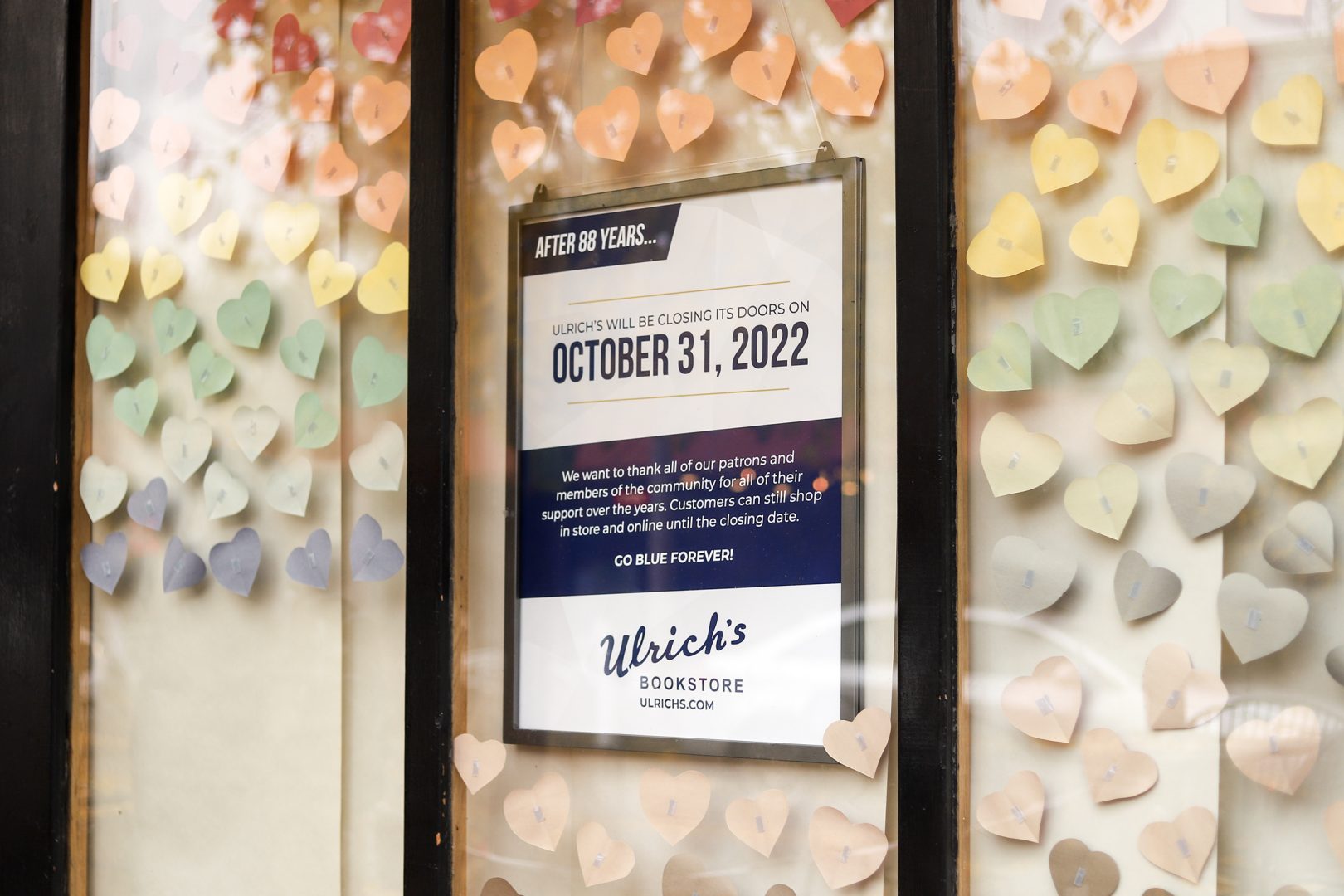
After two decades of dedication to the local community, a cherished Eure shop known as La Fabrique is closing its doors on January 15, 2026. Situated in Vernon, this beloved mercerie has been a staple for countless customers who valued its personal touch and unique selection. However, the shop’s closure marks the end of an era for the town’s retail landscape, reflecting broader challenges faced by local businesses in evolving urban centers. The decision to shutter was driven by infrastructure changes and limited parking availability caused by ongoing renovation works in the city center, issues that have palpably affected foot traffic and daily operations.
This closure echoes similar stories across France, where small businesses in historic towns grapple with modernization efforts that inadvertently push them to retirement or relocation. Despite this, La Fabrique’s spirit remains alive through its vibrant online presence, boasting over 40,000 followers on social media, and its sister store in Rouen, opened in 2022. This transition underscores a growing trend where local shops adapt by shifting to hybrid models combining physical and digital retail strategies to continue serving their loyal customers efficiently.
How City Center Renovations Influence Local Business Closures in Eure
The closure of La Fabrique is not an isolated incident but part of a ripple effect impacting the commercial vitality of Vernon’s downtown area. Extensive works under the “Coeur de ville” project—aimed at revitalizing the urban environment—have inadvertently complicated accessibility with disrupted parking and narrower streets, dissuading long-term clientele. Christophe Kerserho, owner of a local fishmongery, experienced a 50% decrease in turnover due to these same disruptions, prompting his move to nearby Saint-Marcel.
These developments evoke a critical debate on urban planning’s impact on local businesses. While infrastructural advancements promise a modernized future, the immediate toll on shops like La Fabrique reveals a growing tension between progress and preservation. The shop’s closure serves as a cautionary tale, illustrating how essential it is to balance construction projects with the commercial needs of community enterprises to prevent further shop closures in Eure, paralleling concerns raised in other regions like Orne where similar village store closures have been reported.
Adapting Beyond Physical Stores: La Fabrique’s Digital Evolution
Rather than disappearing completely, La Fabrique’s move towards online retail offers a pragmatic example for struggling local shops. Utilizing its strong social media following, the mercerie continues to engage with its community virtually, encouraging customers to place orders before the final closure date to benefit from significant discounts. This pivot highlights the importance of digital platforms as survival mechanisms for small businesses confronted with environmental and economic shifts.
Moreover, opening a newer outlet in Rouen indicates strategic diversification, balancing risks by spreading presence across different markets. This approach mitigates the adverse effects of localized urban policies while still maintaining the brand’s identity and serving community needs. Such resilience is reflective of broader trends in retail where agility and online integration have become critical to sustaining success, as discussed in contexts like the revival of village commerce elsewhere in France.
The Broader Picture: Impact of Shop Closures on French Communities
Shop closures of this magnitude resonate far beyond the immediate loss of goods and services; they affect local economies and community cohesion. Small businesses often serve as cultural and social hubs, and their disappearance leaves voids difficult to fill. In places like Nancy, where the oldest shops have recently closed making headlines, the consequences include decreased pedestrian activity and a weakening of neighborhood identity.
La Fabrique’s closure thus symbolizes a larger trend challenging the sustainability of traditional retail formats amidst modern challenges. It raises fundamental questions about how cities and regions can protect local businesses while embracing necessary urban transformation. Failure to address these issues risks inviting more closures, as seen in Clermont-Ferrand where abandoned shops have become increasingly common triggering concern. The fate of Eure’s longtime mercerie serves as a poignant reminder that nurturing local commerce requires deliberate, inclusive urban strategies that recognize their community value.
