
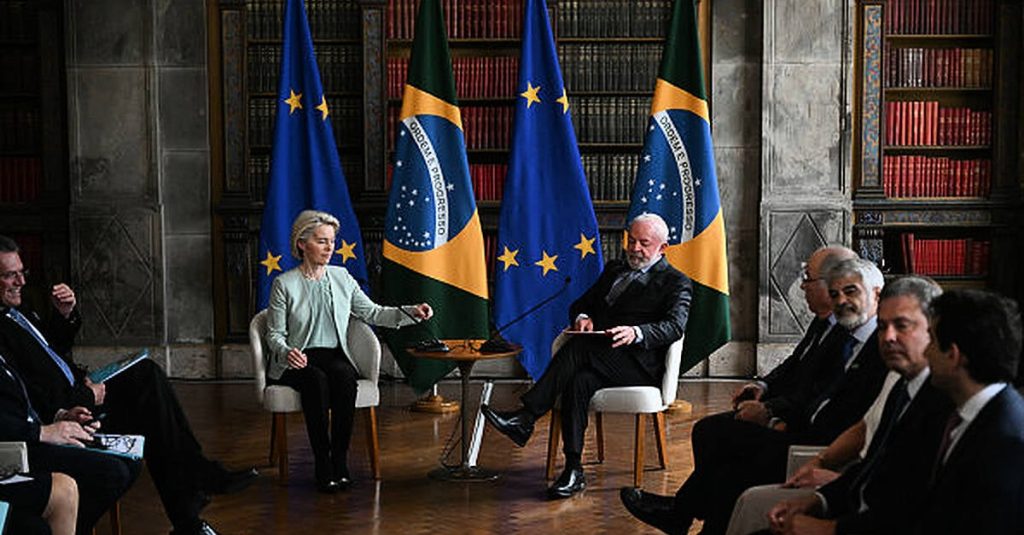
After a marathon 25 years of negotiations, the long-anticipated Mercosur Agreement has finally been signed, ushering in a new chapter in economic integration between the European Union and the South American bloc comprising Argentina, Brazil, Paraguay, and Uruguay. This landmark deal, which creates one of the world’s largest free trade areas, promises to reshape international relations and open vast opportunities for business, boosting market access and slashing tariffs across a cornucopia of goods. However, the challenge now lies not merely in the historic signature, but in the practical steps ahead to ensure the agreement’s full and sustainable implementation.
As the dust settles on decades of delicate diplomacy, stakeholders from diverse sectors eye the unfolding economic landscape with cautious optimism. European industries and South American exporters must navigate a complex web of new regulations, social expectations, and environmental considerations. While the agreement reportedly includes review clauses to adapt to evolving global realities, its success will ultimately depend on transparent governance and active engagement with affected communities. The echoes of opposition from European farmers during negotiation phases warn of hurdles ahead, underscoring the need for balanced policies that can mollify protectionist concerns without stifling trade.
Brief:
- Mercosur Agreement finalizes after 25 years, creating one of the world’s largest free trade zones.
- Boosts market access between the EU and South America, especially for key industrial and agricultural sectors.
- Tariffs lowered considerably, aiming to enhance bilateral trade flows and economic integration.
- Despite opposition from some European agricultural stakeholders, the pact moves forward with provisions for ongoing review and adjustment.
- Successful implementation hinges on continued diplomacy, transparency, and stakeholder engagement to maintain trust and ensure equitable benefits.
How the Mercosur Agreement Transforms Trade between Europe and South America
The ratification of the Mercosur Agreement is not simply a diplomatic milestone; it constitutes a formidable shift in international relations and global commerce. By dismantling tariffs that previously inflated costs on exports and imports, both sides ignite fresh dynamics in cross-continental trading. European manufacturers gain privileged entry into South American markets, while South American agricultural products like beef and soybeans find promising new avenues in Europe.
Such expanded market access heralds increased economic activity, high-value investments, and innovation across sectors including automotive, chemicals, and food industries. However, trade experts caution about navigating the nuanced regulatory environments that will accompany this integration. Continued cooperation will be critical, underscoring how the initial signing must be followed by adaptive frameworks supporting sustainable growth and compliance.

Economic Integration and Diplomatic Challenges Behind the Scenes
Securing consensus after a quarter of a century underscores the complexities embedded in harmonizing interests between continents marked by diverse economies and political landscapes. The negotiations endured interruptions driven by environmental concerns, protectionist stances, and shifting domestic priorities. Navigating these required expert-level diplomatic engagement and flexible negotiation strategies.
Moreover, the pact’s design incorporates mechanisms to monitor environmental impacts and allow policy adjustments responding to economic fluctuations or global shifts. For instance, industries likely to encounter disruptive changes will benefit from safeguard clauses embedded within the agreement, exemplifying a cautious yet progressive approach to integration.
What Are the Implications for Businesses and Consumers?
For companies poised to capitalize on this breakthrough, the Mercosur Agreement signals not only new trading corridors but also competitive pressures necessitating innovation and efficiency. South American exporters can now scale operations with greater confidence, supported by reduced tariffs and streamlined customs procedures. European businesses eye increased sourcing flexibility, potentially lowering costs and diversifying supply chains.
Consumers stand to benefit from a broader array of products and services, potentially at more competitive prices. Nevertheless, monitoring safeguards around labor rights and environmental standards will remain essential to ensure that growth is both inclusive and sustainable, minimizing social frictions emerging from rapid market shifts.
Next Steps: From Signature to Realization
While signing the agreement marks a substantial achievement, the journey towards tangible results demands relentless efforts. Approval by respective parliaments, especially the European Parliament, remains a pivotal hurdle. Maintaining stakeholder trust through transparent review procedures and fostering dialogue with domestic industries will be key to avoiding pitfalls that historically stalled progress.
In addition, institutions across both regions must build robust logistical infrastructures to support increased trade volumes. Training and technology transfer initiatives could leverage the deal’s benefits, transforming geopolitical promises into concrete commercial gains. Interested parties should consult expert analyses such as those found on this detailed exploration of European trade negotiations for strategic insights.
