
Donald Trump’s approach to Iran in 2026 balances on a knife-edge between maintaining diplomatic engagement and showcasing formidable military readiness. With the USS Abraham Lincoln positioned strategically in the northern Indian Ocean, the United States signals its commitment to exert robust military presence while keeping the door open for diplomacy. The crux of this strategy is to compel Tehran into substantive negotiations aimed at halting nuclear and ballistic programs, key concerns for the Trump administration. However, the complexity of Iran’s political landscape and regional alliances mean that a swift regime change, comparable to Venezuela’s, remains elusive. As tensions simmer, the U.S. continues applying multifaceted economic pressure and employs intelligence gathering and cybersecurity measures to keep Tehran in check, all while cautiously navigating the risk of regional destabilization.
In brief:
- Trump leverages a significant military presence via USS Abraham Lincoln to maintain pressure without committing to immediate conflict.
- The administration emphasizes diplomacy as the preferred path, though negotiations are complicated by Iranian refusals to discuss ballistic capabilities.
- Economic pressure and sanctions persist as tools to undermine Iran’s programs and influence.
- Potential military options include targeted strikes on nuclear infrastructure, inspired by past actions in 2025’s twelve-day conflict.
- Changing Iran’s regime is recognized as a complex, risky endeavor with significant regional ramifications.
- Alliances and counterterrorism efforts remain critical, and propaganda campaigns continue to shape regional narratives.
How Trump’s Military Readiness Shapes Negotiations with Iran
The deployment of the USS Abraham Lincoln to the northern Indian Ocean serves multiple strategic purposes beyond a mere show of force. This formidable military presence acts as a lever to intensify pressure on Tehran while avoiding premature escalation. Drawing on the lessons from Venezuela, Trump has opted to mirror the tactic of advancing naval power close to the target nation’s shores, cultivating a posture “more offensive than defensive.” This approach preserves leverage in upcoming negotiations, enabling the administration to dictate terms without immediate military engagement. Yet, Iran’s explicit refusal to discuss its ballistic missile program exposes cracks in this diplomatic front.
Diplomacy Tested by Iran’s Stubborn Stance on Ballistics
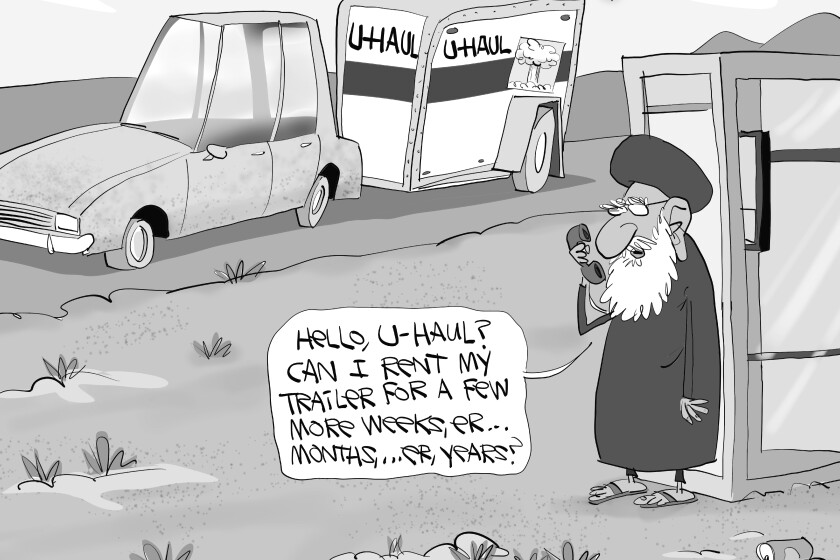
While Iran’s foreign minister expressed openness to negotiation in early 2026, their exclusion of the missile arsenal from talks reveals a fundamental impasse. This selective diplomacy challenges the core U.S. goal of dismantling Iran’s capacity for regional disruption through missile capabilities. The administration must therefore weigh the risks of prolonged engagements against the imperative to neutralize threats without sparking open conflict. It remains clear that economic pressure via intensified sanctions and strategic cybersecurity operations will persist as parallel avenues to reinforce diplomatic efforts.
Strategic Alternatives: Balancing Military Action and Regional Stability
Trump’s options extend beyond negotiation and visible military posturing. Intelligence shared with the president encompasses a broad spectrum of possible interventions, from surgical strikes on nuclear sites targeted during the June 2025 twelve-day war to operations against high-ranking officials implicated in suppressing protests. However, the administration remains hesitant to authorize offensive action, cognizant of historical precedents such as Libya’s post-intervention chaos.
Moreover, neighboring Arab states, including Saudi Arabia, have clearly demarcated their opposition to hosting U.S. military operations against Iran on their soil or through their airspace. Such regional objections, compounded by Iran’s warnings of retaliatory strikes on U.S. bases and Israel, heighten the complexity of any direct confrontation. The possibility of collateral destabilization looms large, making a strategy that integrates alliances and counterterrorism collaboration even more vital.
Economic and Cyber Tools Complementing Diplomatic Pressure
Beyond boots on the ground, Trump’s administration intensifies economic pressure through targeted sanctions designed to disrupt Iran’s nuclear and ballistic projects. Parallel investments in cybersecurity aim to undermine critical infrastructure and intelligence apparatus, complicating Tehran’s ability to rally regional proxies. These silent yet potent instruments enhance the strategic toolkit without escalating military conflict prematurely.
