
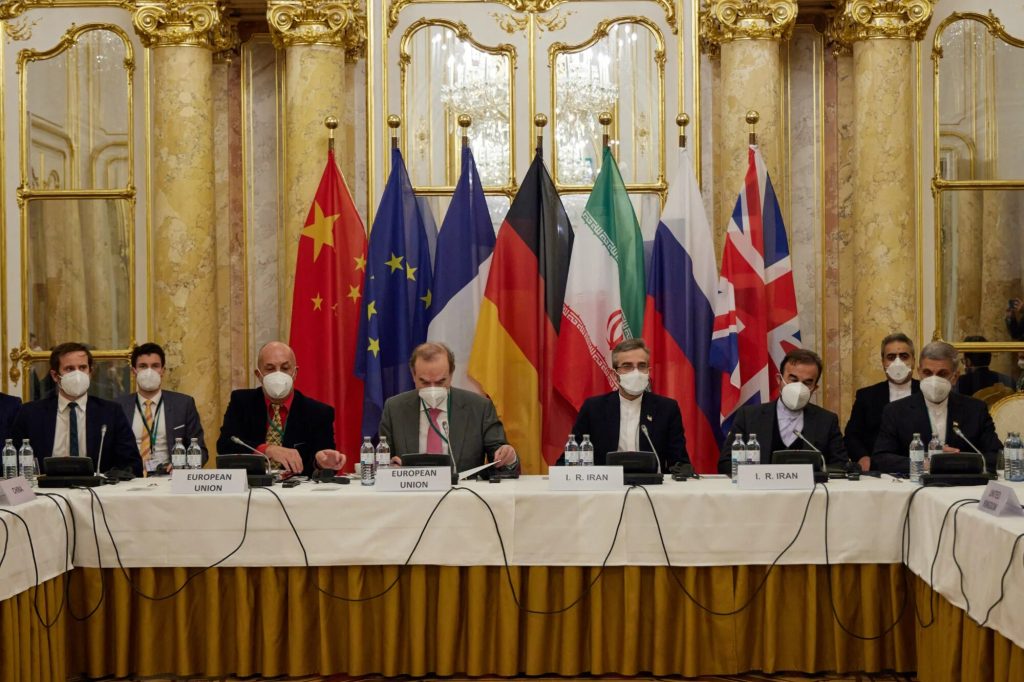
As the world watches with bated breath, the latest round of Iranian Nuclear Talks resonates with hints of a critical juncture, potentially steering toward a final negotiation. The intricate dance of diplomacy between Tehran and Washington underscores the larger tapestry of international relations—one that has been punctuated by decades of mistrust, geopolitical chess games, and power plays throughout the Middle East. Beyond the delicate balance of power, these talks confront core issues of nuclear agreement frameworks, the chronic impact of economic sanctions, and the global imperative of non-proliferation. Yet, the essential question remains: Are these discussions a genuine pivot toward lasting peace or another pause in a protracted saga? Furthermore, the ripple effects of this diplomatic engagement reach far beyond the immediate parties involved, influencing global market responses and strategic calculations worldwide.
In brief:
- The current Iranian-US negotiations represent a critical moment in the trajectory of nuclear diplomacy.
- Tehran insists on sovereignty and nuclear-focused dialogue, rejecting regional military escalations.
- Washington’s approach balances between advancing sanctions relief and ensuring non-proliferation safeguards.
- The Middle East’s stability hangs in the balance as regional actors watch the talks closely.
- Economic markets remain sensitive to shifts in diplomatic postures and potential sanctions easing.
Assessing the Stakes of the Iranian Nuclear Talks in the Context of Global Diplomacy
The dynamics of the Iranian Nuclear Talks reveal a complex interplay of national security priorities and international diplomatic strategies. Tehran maintains a firm stance on its sovereign right to develop peaceful nuclear technology, casting nuclear discussions as a matter of national pride and regional leadership. However, the shadow of prior agreements and broken promises colors negotiations with skepticism. Analysts observe how sanctions remain both a tool of coercion and a bargaining chip, affecting Tehran’s willingness to make concessions. Washington, on the other hand, faces the challenge of balancing geopolitical interests against domestic political pressures. The delicate negotiation process reflects broader themes within international relations, especially amid concerns about nuclear proliferation and regional security in the Middle East.
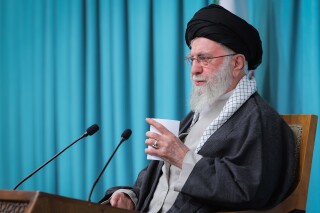
The Role of Sanctions and Economic Pressure in Shaping the Negotiations
The imposition and potential easing of sanctions sit at the heart of the ongoing talks, affecting Iran’s economic resilience and strategic calculations. Sanctions have severely limited Tehran’s access to international markets, forcing a recalibration of its domestic economy and diplomatic outreach. The interplay between economic pressure and nuclear diplomacy raises questions about the long-term sustainability of such measures. Critics argue that sanctions alone cannot guarantee compliance with non-proliferation objectives, emphasizing the importance of verifiable and enforceable nuclear agreements. In this light, the negotiating parties must reconcile the immediate leverage of sanctions with the necessity for durable, trust-building mechanisms. For a deeper understanding of the tactical dimensions of these negotiations, analysts often reference the evolving strategies outlined in Washington-Tehran negotiations.
Prospects for a Final Negotiation: What History Teaches About the Path Forward
The prospect of this being the final negotiation prompts careful scrutiny of historical precedents where diplomacy has both succeeded and faltered. Past nuclear agreements with Iran, including the Joint Comprehensive Plan of Action, demonstrate the fragility of accords without sustained political will and mutual trust. Regional actors remain vigilant, knowing the stakes transcend bilateral talks, influencing Middle East stability and global security. The role of external influencers and mediators adds further layers of complexity to the pathway ahead. Yet, there is cautious optimism as the current dialogues emphasize nuclear limitations while sidestepping broader military confrontations. Such focused diplomacy could mark a transformative chapter in Iran’s international engagement and reshape the contours of global non-proliferation efforts.
