
Pedestrianizing streets is no longer just an urban planning trend; it’s a powerful driver of retail growth and economic vitality in communities worldwide. While some local leaders cling to the outdated belief that cars and parking lots are essential for sustaining local businesses, data consistently challenges this notion. In cities ranging from Paris to smaller towns like Lannion and Bourges, the majority of shoppers prefer walking, cycling, or public transit to reach their favorite shops. This shift in consumer behavior has been met with growing evidence: increasing foot traffic through pedestrian-friendly zones often results in an economic boost rather than decline.
Contrary to popular myths, eliminating car access and parking spaces in urban centers does not drive away customers; it attracts new ones by enhancing the shopping experience and supporting sustainable transport. In fact, areas that have embraced pedestrianization report not only increased sales but also reduced commercial vacancies. As urban planners and business associations seek ways to revive city centers, prioritizing walkability and community engagement emerges as a clear strategy with proven success across continents.
How Pedestrianizing Streets Drives Economic Growth for Local Businesses
It is a common misconception that the presence of cars is synonymous with healthy commerce. However, studies reveal that in major cities, only a minority of shoppers actually arrive by car. For example, in Paris, less than 3% of downtown consumers use cars, with the majority arriving by foot, bicycle, or public transit. This trend holds true across many European cities and North American urban centers, where pedestrian zones have witnessed a surge in both visitor numbers and retail prosperity.
Even in smaller cities, data from a Cerema study illustrate that approximately half of the clientele walks or cycles to shops, dispelling the myth that driving is indispensable. Retailers who pivot toward catering to these pedestrian and cyclist customers frequently see increases in their average spending — as Bordeaux’s reported 21% higher basket size among cyclists demonstrates.
Overcoming the « No Parking, No Business » Fallacy
Despite overwhelming evidence, some business owners and politicians remain hesitant about pedestrianization, clinging to the belief that removing car access spells economic doom. This mindset is partly fueled by the vocal minority of motorists and the psychological bias dubbed the “windshield perspective,” which overestimates car-based clientele due to personal habits and noise.
However, real-world cases—from Arras’ pedestrian square revival to Dunkerque’s 30% increase in foot traffic after limiting vehicle access—tell a different story. Even attempts to boost commerce by making parking free have failed to produce sustained benefits, as seen in Tarbes and Saint-Nazaire. This discrepancy underscores an urgent need to shift the narrative and recognize how walkable, welcoming environments generate more sustainable economic growth for local businesses.
Urban Planning that Prioritizes Walkability Energizes Communities and Retail
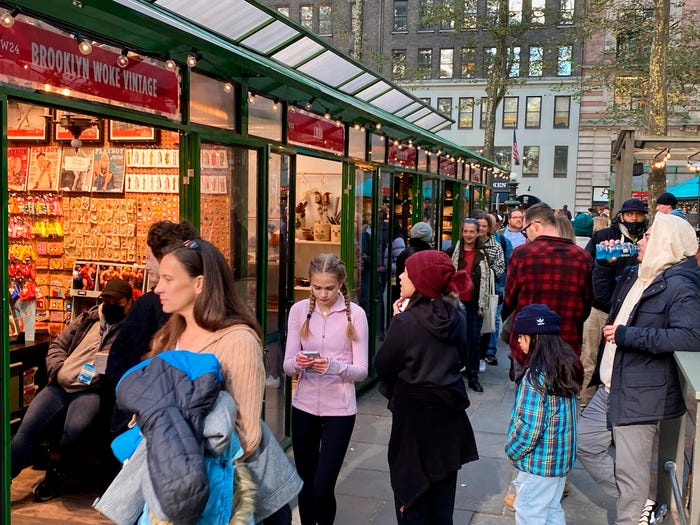
Integrating pedestrian zones into urban frameworks creates vibrant public spaces where people linger, socialize, and shop. This shift transforms streets into community hubs rather than mere traffic conduits. The resulting boost in social interaction increases customer loyalty and encourages longer visits, directly benefiting merchants.
Increasing community engagement through pedestrian-friendly design also supports environmental goals by promoting sustainable transport options like cycling and public transit. These benefits contribute to cleaner air, quieter neighborhoods, and ultimately a more attractive urban landscape for both residents and visitors.
Inviting More Than Just Shoppers: A Complete Urban Experience
Pedestrian-friendly streets offer an experience that suburban malls and parking lots cannot replicate. The sensory richness of an open-air market, the allure of sidewalk cafés, and the visual appeal of historic architecture presented without the interruption of vehicle noise make city centers destinations in their own right.
Such environments cultivate a sense of place that encourages people to stay, explore, and spend, feeding a positive cycle of retail growth and community well-being. Moving beyond the outdated slogan “No parking, no business,” to embrace “No parking, more business!” reflects a transformative understanding that cities grow economically by becoming more pedestrian-friendly and less car-dependent.
