
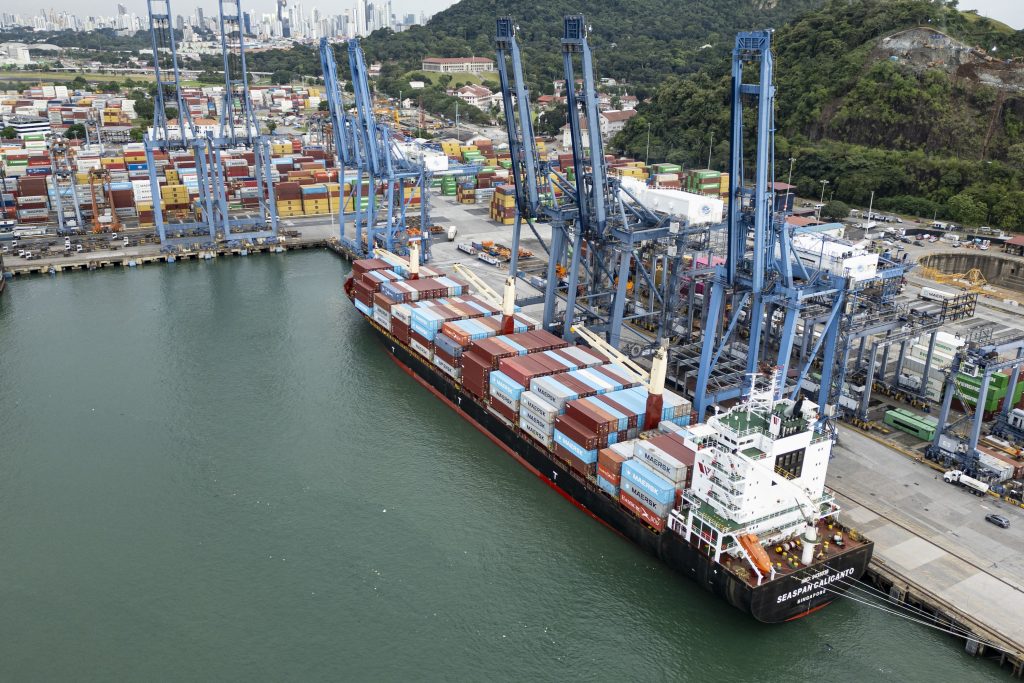
CK Hutchison Group’s latest call for negotiations over the future control of two crucial Panama Canal ports highlights the simmering tensions threatening global shipping and trade logistics. The Balboa and Cristobal ports, situated at both ends of the 51-mile Panama Canal, serve as vital nodes in international maritime routes, channeling a significant chunk of global cargo between the Atlantic and Pacific. With the group’s 90% stake in these terminals and an ambitious $23 billion buyout bid involving financial giants like BlackRock, the stakes have escalated beyond business into geopolitical chess. However, escalating legal challenges, including a Panama Supreme Court ruling annulling CK Hutchison’s contract, have plunged the situation into uncertainty, risking operational chaos and disrupting infrastructure critical to global commerce.
The friction spotlights a broader conflict involving commercial interests and state sovereignty, with China eyeing a foothold via Cosco’s potential involvement, against the backdrop of increasing US-China rivalry. Shipping companies and trade partners face unpredictability as regulatory interference and strategic posturing stall the finalization of port ownership and management. The CK Hutchison Group insists on diplomatic negotiations, asserting that smooth operations depend chiefly on constructive dialogue with Panama’s government—a dialogue urgently needed to circumvent looming chaos before port logistics grind to a halt.
In brief:
CK Hutchison Group controls 90% of two pivotal Panama Canal ports vital to international shipping and trade infrastructure.
Legal challenges and Panama Supreme Court rulings have suspended contracts, delaying ownership transfers central to a $23 billion transaction.
Geopolitical stakes rise as China and the US compete for influence over canal access and port operations.
The group urges urgent negotiations, warning the stalemate could trigger widespread logistical chaos affecting global trade flows.
CK Hutchison Group and Panama Canal Ports: A Tension-Filled Crossroads for Global Trade
The Panama Canal remains the maritime artery linking the Atlantic and Pacific Oceans, with the ports of Balboa and Cristobal being linchpins for global shipping. CK Hutchison Group, a major player in international port infrastructure, holds a predominant share in these terminals. The strategic value of these ports is amplified by their role in handling approximately 80% of Hutchison Ports’ global operations across 43 ports in 23 countries. This level of control underscores how vital the Canal’s ports are, not just regionally but as keystones in the shipping supply chain.
However, the group’s position has been shaken by Panama’s Supreme Court decision to annul CK Hutchison’s contract. This ruling halted the scheduled completion of a $23 billion deal spearheaded by BlackRock and Mediterranean Shipping Company, intimating that the local legal environment can severely impact international commerce. The result is a fragile impasse where contractual uncertainty threatens to morph into operational paralysis. Industry analysts warn that any prolonged disruption could cascade far beyond Panama, derailing shipping schedules, elevating costs, and straining an already complex logistics ecosystem.
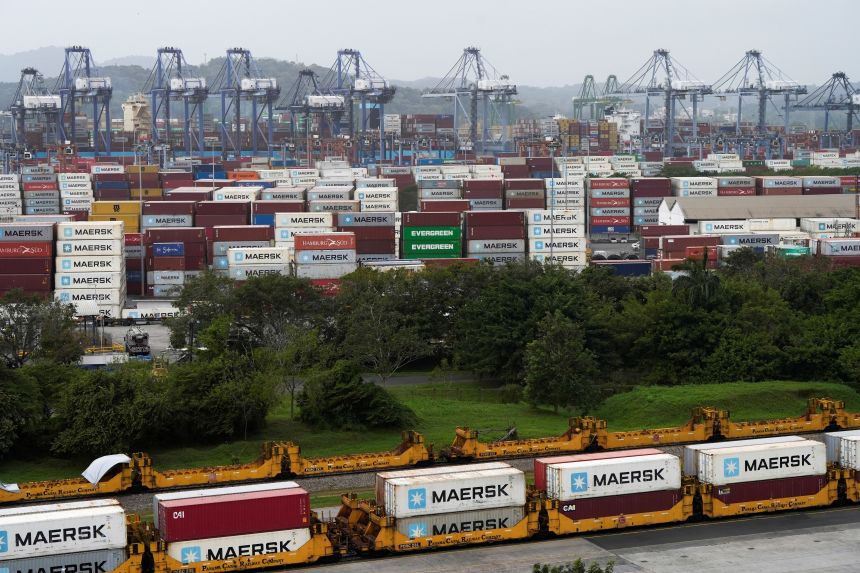
Legal Disputes and Arbitration: Obstacles to a Smooth Transition
The unfolding saga takes place against a backdrop of intricate legal battles. The Panama Supreme Court’s annulment is unprecedented, injecting unpredictability into the transit and ownership rights essential for port operations. CK Hutchison’s decision to launch arbitration reflects the high stakes and the group’s commitment to defending its operational interests. Meanwhile, Panama’s approach, often described as ‘lawfare,’ represents an assertion of sovereign control amidst external pressures, underscoring the delicate balance between national jurisdiction and global commerce regulations.
The stalled contract aggravates uncertainty not only about ownership but about the long-term stewardship of critical infrastructure, placing shipping lines and logistics firms in an operational limbo. These legal encumbrances delay investments and modernization efforts essential for handling the increasing volume and size of cargo vessels navigating the Canal, which directly impacts trade fluidity and competitiveness.
The Geopolitical Chessboard: China, the US, and the Future of Panama’s Ports
As negotiations falter, the Panama Canal ports have emerged as a frontline in the broader proxy contest between China and the United States. China’s ambitions to expand its maritime influence through Cosco’s involvement in port operations faces resistance, especially from US-aligned stakeholders intent on maintaining strategic advantage over this global maritime hotspot. The clash elevates the dispute beyond commerce into the domain of international power plays, causing ripples in global trade dynamics.
The unresolved future of the ports injects volatility into shipping lanes dependent on seamless cargo transit. Given that the Panama Canal facilitates nearly 6% of the world’s maritime trade, disruptions could lead to significant rerouting expenses and cargo delays, reshaping global supply chains. CK Hutchison’s insistence on renewed negotiations represents not just a business plea but a critical endeavor to stabilize these contested assets before chaos spills into the broader logistics network, threatening trade resilience seriously.
