
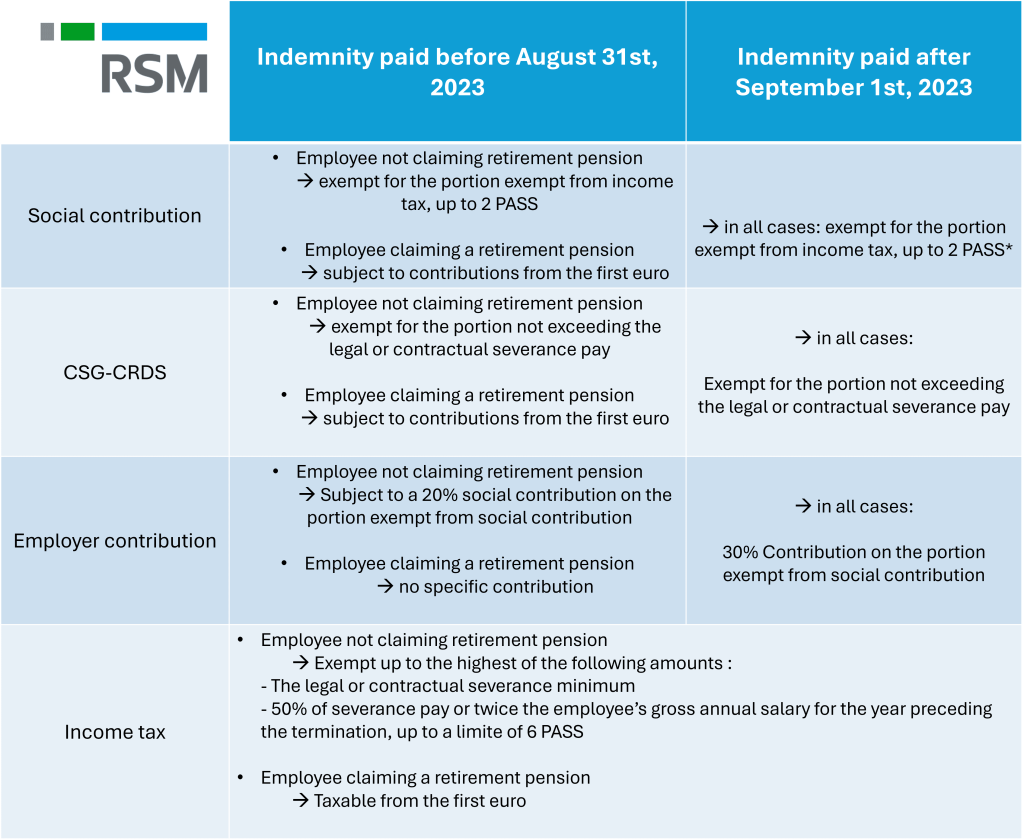
As unemployment rates continue to shape the landscape of the labor market, the ongoing negotiations on mutual termination agreements reach a pivotal moment. These discussions balance the complex interests between employers and employees, especially as organizations grapple with economic pressures pushing them towards workforce reductions. Employment contracts are at the crux of this negotiation, defining the terms under which job loss occurs and aiming to minimize legal risks and conflicts. The final phase of these talks promises to set new precedents impacting severance agreements, unemployment benefits, and the overall stability of the labor market in the coming years.
In brief:
- Mutual termination negotiations aim to provide balanced solutions amid persistent unemployment concerns.
- The final phase highlights the intricate interplay between severance agreements and eligibility for unemployment benefits.
- Effective handling of employment contracts during these negotiations can reduce disputes related to dismissal and job loss.
- The evolving labor market in 2026 demands adaptive strategies to protect the workforce and employers alike.
- Upcoming regulatory frameworks and budget considerations will directly influence the outcomes of these mutual termination agreements.
High-Stakes Negotiations Redefining Mutual Terminations and Unemployment Outcomes
Negotiations on mutual termination agreements have entered their final phase, underscoring the urgency from both employers and unions to establish clear and equitable frameworks for ending employment contracts. These agreements have become a critical tool in managing job loss without resorting to contentious dismissals, thus preserving corporate reputation and worker dignity.
The complexity lies in balancing the needs of the workforce with the financial realities faced by employers. Economic challenges in 2026 have heightened scrutiny over severance agreements as governments and labor organizations emphasize safeguarding unemployment insurance programs. The fine line between voluntary termination and dismissal is at the heart of this issue, as mutual termination agreements can significantly affect an employee’s eligibility for unemployment benefits.
Recent updates on budget negotiations in France reveal how economic policies will shape the enforceability and conditions of these contracts. Aligning severance pay with unemployment insurance protections is crucial to avoid creating “blocking periods” during which workers cannot claim benefits after mutual separations. Such nuances complicate the labor market’s evolution and highlight why expert input is indispensable during these final negotiation stages.

Legal Complexities and Strategic Negotiation to Avoid Unemployment Pitfalls
The legal landscape surrounding mutual termination contracts requires methodical negotiation to prevent future disputes. Employers must ensure that severance packages comply with evolving labor laws, while workers push for adequate compensation to offset immediate job loss risks. This negotiation often involves navigating potential conflicts that arise from divergent interests.
Missteps in drafting or executing these agreements have shown to result in costly legal claims and protracted unemployment claims. For instance, unclear terms can cause disagreements about the nature of the termination – whether voluntary or forced – which directly influences unemployment benefit eligibility. Amid rising scrutiny from regulatory bodies, precision in these documents is paramount to maintain trust and reduce claims disputes.
The Impact of Mutual Terminations on the 2026 Labor Market and Workforce Stability
As mutual termination agreements become more widespread, their influence on the overall labor market grows substantially. Workforce adjustments through these agreements allow companies to restructure tactfully while providing departing employees with negotiated severance terms that can offer a cushion against income disruption.
However, the rise in mutual separations also raises concerns about unemployment rate distortions and long-term job security. Labor market analysts observe that while these agreements may reduce immediate redundancy disputes, they can mask the underlying fragility of employment sectors. Workers exiting under such agreements must carefully assess whether the financial terms adequately compensate for potential challenges in securing new employment.
Additionally, the push for clearer policy frameworks—such as those highlighted in France’s recent budget and labor reform discussions—aims to protect both the workforce and employers. Negotiators are increasingly focused on refining the mechanisms for severance calculation, unemployment insurance coordination, and mitigating negative social impacts resulting from job transitions.
