
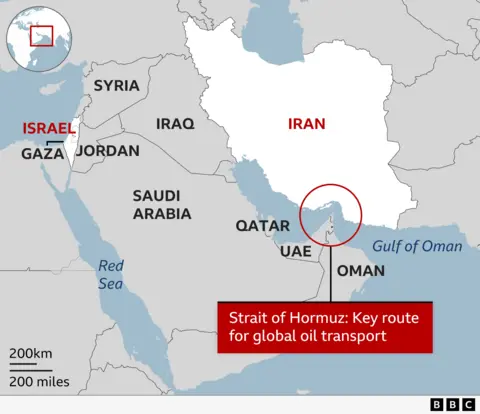
Traffic through the Strait of Hormuz has come to a near standstill, as Iran issues a stark warning to the global maritime community. The Islamic Republic has declared the strait closed, vowing to strike any vessel attempting passage. This strategic waterway, critical for transporting nearly 20% of the world’s oil supply, now holds over 3,200 ships trapped in limbo, unable to navigate the vital route. The international maritime security landscape is tense, with traders and brokers closely monitoring the ramifications for global energy markets and supply chains. As Iran doubles down on its threat, the spotlight intensifies on ongoing geopolitical tensions and the fragile balance that governs global trade flows.
Key highlights: Iran’s threat to attack any vessel through the Strait of Hormuz has brought maritime navigation to a halt, trapping thousands of ships. This escalation disrupts a waterway crucial for global oil transport, sharply raising concerns over maritime security and international trade stability.
Iran’s Strategic Threat and Its Impact on Strait of Hormuz Navigation
Iran’s recent declaration that the Strait of Hormuz is closed marks a significant escalation in regional tensions. A senior Islamic Revolutionary Guard Corps (IRGC) official boldly stated that any vessel navigating this chokepoint risks being set ablaze, effectively boxing in maritime traffic. This move disrupts a vital artery through which about one-fifth of the world’s oil passes, with over 3,200 ships now effectively trapped, unable to proceed or reroute without risking confrontation.
This blockade is not merely a show of power but a calculated measure that can halt global oil supplies and incite economic reverberations internationally. It puts maritime operators and global markets on alert, demanding rapid strategic recalibration. The threat, however, goes beyond mere military posturing; it taps into ongoing diplomatic tensions between Iran, the US, and allied powers, each eyeing escalation risks carefully. For traders and brokers, these developments underscore the volatility pervading maritime logistics and energy security.
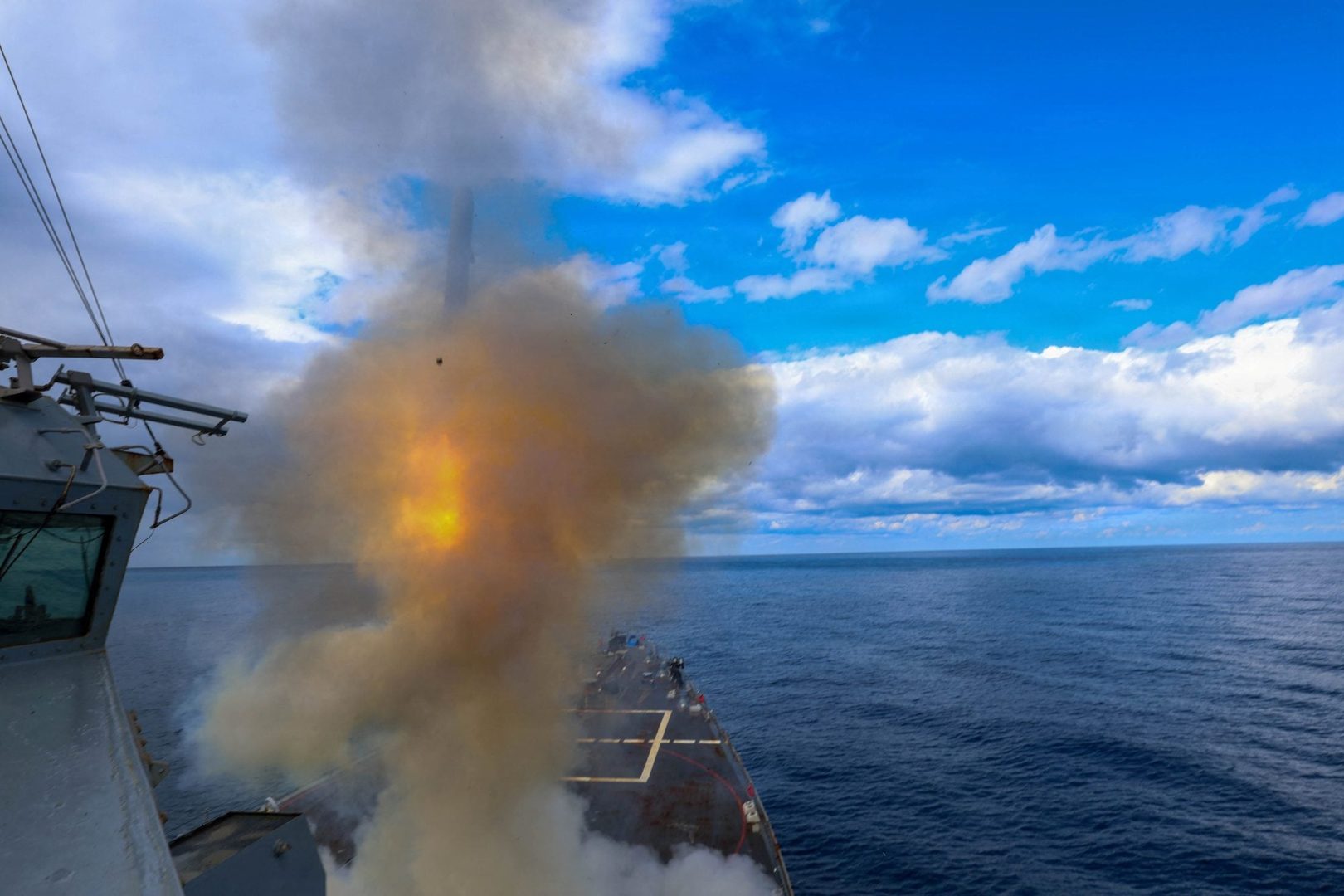
Maritime Security at a Crossroads: Navigating Uncertainty in 2026
The declaration from Iran has reverberated throughout maritime security frameworks worldwide. With the strait effectively closed, no major crude tankers have been able to transit since the escalation began. The unprecedented stoppage of traffic in the Strait of Hormuz—a strategic chokepoint—threatens to destabilize supply chains that have remained robust for decades.
Shipping companies and their brokers now face unprecedented operational challenges. The risks of rerouting around the Arabian Peninsula add significant cost and delay, while heightened military tensions increase the threat level to crews and cargoes alike. Analysts point out that this impasse could trigger a ripple effect throughout global energy markets, pushing prices higher and generating volatility that threatens broader economic recovery efforts.
Geopolitical Dynamics Fueling the Strait of Hormuz Crisis
The closure of the Strait of Hormuz reflects deeper geopolitical fault lines exacerbated by recent events, including joint military strikes by the US and Israel targeting Iranian leadership. Iran’s retaliatory posture is a direct response, signaling an escalation that intertwines military strategy with energy diplomacy.
While diplomatic channels such as Washington-Tehran negotiations have been intermittently pursued, the situation remains perilous. Iran’s hardline messaging underscores a stark choice facing the international community: yielding to coercive tactics that threaten free navigation or escalating military readiness to counteract this maritime blockade.
Economic Consequences: An Energy Market on Edge
The economic fallout of this maritime standoff is already palpable. With a critical passageway blocked, global crude oil shipments face delays and supply shortages. This disruption extends well beyond the immediate vicinity of the Middle East. Energy-dependent industries worldwide brace for sharp price fluctuations and supply chain interruptions.
Maritime brokers and traders are adjusting strategies rapidly, with a growing focus on risk mitigation and alternative shipping routes. The shadow of Iran’s threats casts uncertainty over the stability of global trade networks, testing the resilience of international markets and diplomatic efforts to avert a full-scale conflict.
