
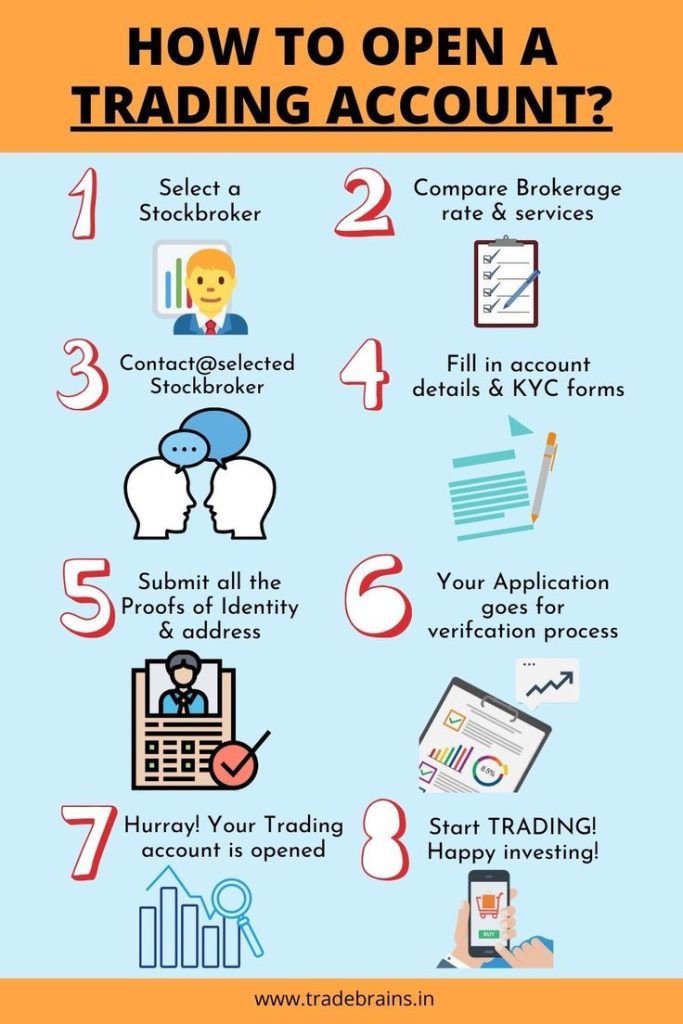
Entering the world of trading opens doors to building lasting wealth, yet the initial step of opening a trading account often intimidates newcomers. This journey begins with selecting a brokerage that aligns with individual goals, then progresses through navigating regulatory requirements, funding the account, and finally, engaging in the markets. Each decision carries weight—from evaluating fee structures at firms like E*TRADE and Charles Schwab to exploring user-friendly platforms such as Robinhood or Interactive Brokers. Understanding these facets establishes a foundation for confident and informed investment strategies in the dynamic landscape of 2025.
At its core, opening a brokerage account is more than administrative paperwork; it is a commitment to financial empowerment. The evolving digital environment allows traders to open accounts swiftly online, yet one must approach this process with thorough research and preparedness. Choosing between accounts tailored for novices at Fidelity or those offering advanced tools like TD Ameritrade calls for clarity about personal risk tolerance and investment aspirations. Knowing how to efficiently verify identity, fund a new account, and utilize educational resources can dramatically ease entry into the financial markets. This guide distills these essential steps into actionable insights, ensuring a smooth transition from interested observer to active participant in trading.
Choosing the Ideal Brokerage Firm for Your First Trading Account
The brokerage firm selected fundamentally shapes the trading experience and outcomes. Reputation and regulatory oversight are paramount; firms such as Merrill Edge and Vanguard provide not only security but also a wealth of educational tools that empower investors to make sound decisions. Evaluating fee structures is critical, as hidden commissions or platform charges can erode returns over time. For instance, Ally Invest offers competitive fees without compromising on service quality, making it attractive for beginners.
Beyond costs, the range of investment options offered demands scrutiny. While some platforms focus primarily on stocks and ETFs, others like Webull incorporate cryptocurrencies or options trading, appealing to more adventurous traders. Additionally, the user experience—intuitive interfaces, seamless app navigation, and responsive customer support—profoundly influences the ease of account management and trade execution. Ultimately, selecting a brokerage is an intricate balance of fees, offerings, support, and platform quality, reinforcing the need for deliberate comparison before committing.
Essential Personal and Financial Information to Prepare
Completing the application confronts traders with detailed personal and financial queries designed to comply with legal standards and tailor investment advice. This includes supplying a Social Security Number, permanent address, date of birth, and contact details. Accuracy here is non-negotiable, establishing a verified identity that safeguards both trader and brokerage.
Furthermore, brokers inquire about employment status and income, information essential for assessing risk tolerance and recommending appropriate investment products. Having bank account information ready expedites funding processes, a pivotal step post-account approval. Preparing these details beforehand reduces friction and speeds the transition from application to active trading.
Navigating Application Procedures and Identity Verification
Modern brokerages streamline the application through online platforms, enabling users to register, submit documents, and verify identity digitally. This process, mandatory under anti-money laundering and know-your-customer regulations, often requires uploading government-issued IDs such as passports or driver’s licenses. Firms like E*TRADE have enhanced these systems with secure encryption to protect sensitive data, ensuring trustworthiness for clients.
Applicants should carefully review all legal terms and privacy policies before submission. While these documents might seem tedious, they clarify rights and responsibilities, preventing future disputes. Once verified, confirmation arrives swiftly, signaling readiness for the final step: funding the account and initiating trades.
Funding Your Account and Selecting the Right Account Type
Funding options have diversified, with electronic transfers leading in speed and convenience. Selecting the appropriate account type—from individual taxable accounts ideal for straightforward investing to Roth IRAs offering tax-free growth—depends on long-term financial goals. Brokerages like Charles Schwab provide robust guidance tailored to newcomers deciphering these choices, while platforms such as TD Ameritrade make the process transparent and accessible.
Understanding account distinctions ensures investors avoid unexpected tax consequences or withdrawal restrictions. Funding mechanisms may also include wire transfers or check deposits, though electronic methods are favored for their immediacy. Vigilance in monitoring account crediting post-deposit safeguards against transactional hiccups that could delay trading.

Embarking on Your Trading Journey with Confidence
Once the account is active, the emphasis shifts to developing a trading strategy aligned with personal goals and risk tolerance. Platforms like Fidelity and Interactive Brokers offer educational content and demo accounts to cultivate skills before deploying real capital. Continuous monitoring and adaptation are imperative as markets evolve, underscoring the dynamic nature of trading beyond the initial setup.
Taking advantage of efficient customer support from brokers like Robinhood and Ally Invest can resolve early hurdles and contribute to smoother ongoing experiences. Staying abreast of market trends through reliable sources, coupled with disciplined trade management, transforms the account from a mere portal into a tool for financial empowerment.
