

Brokerage fees and commissions have a profound impact on the profitability of investment endeavors. Far from being mere transactional frills, these costs quietly chip away at returns, particularly over the long term. As the landscape evolves, platforms like Charles Schwab, Fidelity Investments, and Robinhood have popularized commission-free trading, yet hidden fees still lurk beneath the surface. Knowing how to decipher the complex web of fees charged—from trade commissions to account maintenance—becomes essential for any investor aiming to optimize financial outcomes. This exploration delves into the delicate balance of brokerage charges and illustrates actionable strategies to navigate them effectively.
In brief, grasping these key insights is crucial: Brokerage fees encompass various charges brokers impose for executing trades and managing accounts, including commissions, maintenance, and data fees. Commissions are specific fees for transactions, but overall brokerage fees can include less visible charges that erode investment returns. Despite the rise of commission-free structures, fees from spreads, mutual funds expenses, or inactivity often persist. Savvy investors minimize costs by selecting low-fee providers such as E*TRADE or Vanguard, leveraging commission-free ETFs, and maintaining active accounts to avoid penalties. Understanding fee intricacies empowers investors to preserve capital and strengthen portfolio growth over time.
Decoding the Landscape of Broker Fees and Commissions in 2025
At the core, brokerage fees represent the financial compensation brokers receive for facilitating trades and managing investment accounts. These fees extend beyond the simple act of trading, covering services such as research tools and account maintenance. Although many brokers, including TD Ameritrade and Merrill Edge, have embraced commission-free stock and ETF trading, residual costs like account fees or premium subscriptions can still significantly affect returns. Notably, the fee structures vary widely depending on the brokerage platform and account type, positioning investors to benefit from detailed comparison and informed decision-making.
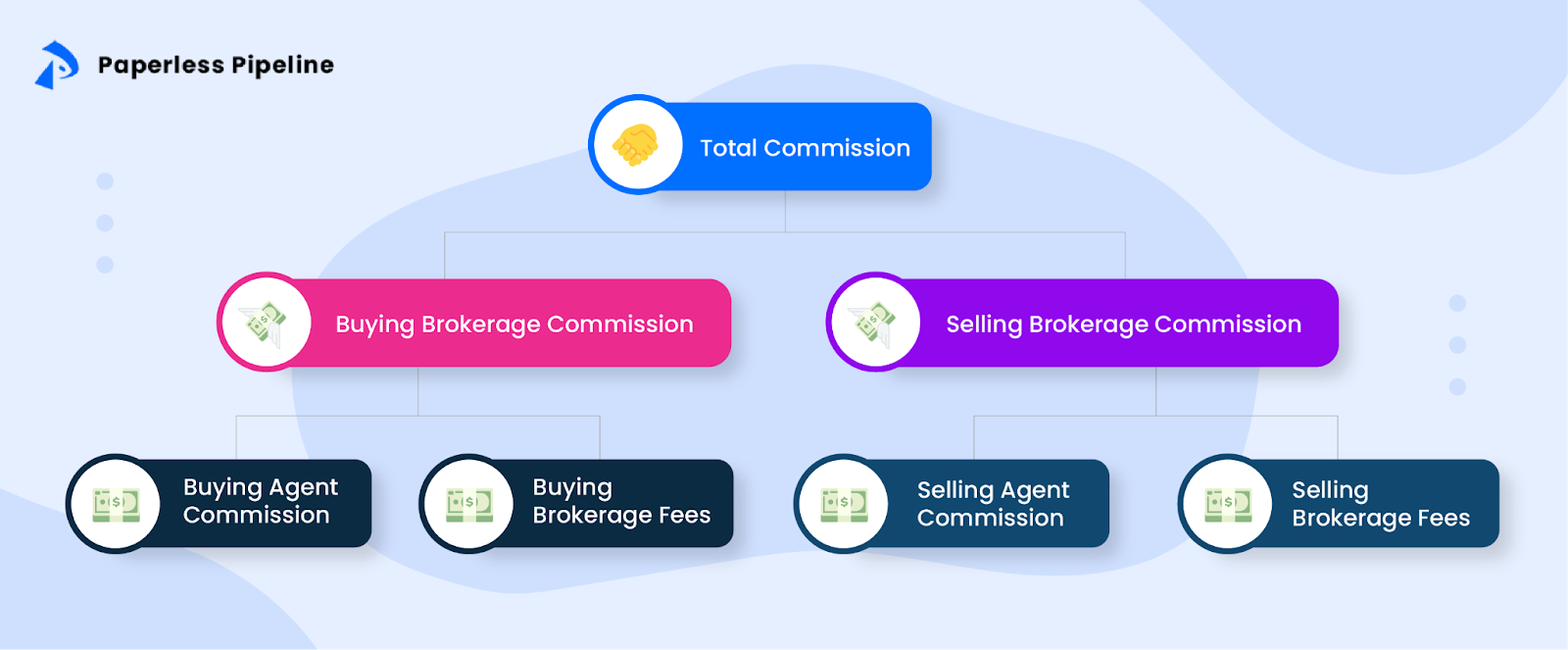
Understanding Brokerage Fees Versus Commissions
Brokerage fees are an umbrella term encompassing all charges tied to investment accounts, while commissions are specific fees charged for the execution of individual trades. For instance, a $50 annual account maintenance fee with Ally Invest fits under brokerage fees, whereas the $5 charged by Interactive Brokers for a single stock trade is a commission. Recognizing this distinction is critical because some brokers advertise zero commissions yet compensate by imposing other fees that can quietly diminish investment earnings.
The Hidden Costs Within Common Brokerage Fees
Beyond straightforward trade commissions, investors should be alert to a variety of fees routinely levied by brokerage platforms. Inactivity fees, which could be $10–$25 per quarter, penalize accounts without sufficient trading activity. Subscription fees for advanced market data further add to costs, especially for traders reliant on premium insights. Moreover, expense ratios found in mutual funds and ETFs—which may range from 0.20% to over 1% annually—pose a stealthier threat by diminishing returns silently over years. Vanguard and Fidelity Investments distinguish themselves through offering low-expense-ratio funds, enabling investors to safeguard capital more effectively.
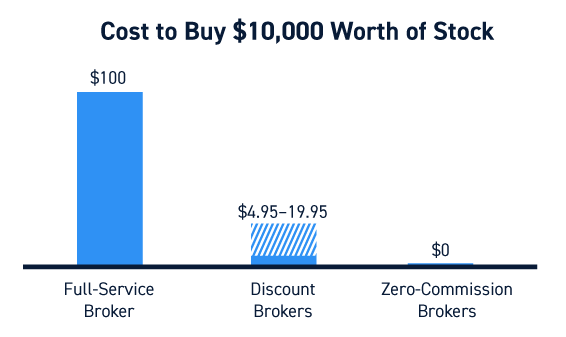
Trade Commissions and the Rise of Commission-Free Trading
Trade commissions have traditionally been among the most visible brokerage charges, with fixed fees or percentages applied per transaction. In recent years, firms like Robinhood and E*TRADE pioneered commission-free trades for stocks and ETFs, catalyzing a shift that pressured other platforms to adapt. Yet, options and mutual fund trades often still incur specific commissions or transaction fees. Thoughtful investors leverage these free-trade opportunities while balancing their portfolios to steer clear of hidden costs embedded in other securities or account charges.
Strategies to Minimize Broker Fees and Optimize Investment Returns
Lowering brokerage costs requires deliberate broker selection and vigilant fee scrutiny. Platforms such as Charles Schwab and Fidelity Investments are renowned for transparent fee schedules and commission-free trades on popular ETFs. By preferring such brokers and staying informed via comparative reviews like those available at Broker Vista’s top online brokers review, investors can avoid unnecessary expenses. Maintaining active trading patterns prevents inactivity fees, and opting for robo-advisors or no-load mutual funds further curbs management fees. This strategic approach enables long-term capital preservation and growth.
Why Transparency Matters in Fee Disclosure
Though many brokers boast “zero commissions,” true cost awareness demands examining the full scope of fees, including spreads in forex or cryptocurrency trading, and charges for wire transfers or account transfers. Subtle fees like foreign transaction surcharges or premium data subscriptions can erode profits if overlooked. Due diligence through research and asking pointed questions—such as how brokers generate revenue beyond commissions—is an indispensable discipline in 2025’s nuanced investment environment.
