

The investment landscape is flooded with options, making the choice of a stock broker crucial for every beginner aiming to navigate the markets confidently. The real challenge doesn’t only lie in picking an impressive name but in understanding what services, fees, and tools truly align with one’s financial goals. This essential comparison between top-tier stock brokers focuses on brands like Charles Schwab, Fidelity, E*TRADE, Robinhood, Interactive Brokers, Webull, Merrill Edge, TD Ameritrade, Ally Invest, and Vanguard. It highlights critical insights into their trading platforms, commission structures, educational resources, and customer support, providing a detailed roadmap to select the ideal brokerage to launch an investing career in 2025.
Choosing the right broker is not a one-size-fits-all decision. Factors such as fee transparency, investment diversity, technological tools, and educational offerings are pivotal. For instance, zero commissions on a vast spectrum of securities have become common, yet the nuances like options contract fees or minimum deposit thresholds can alter the user’s experience profoundly. Investors are increasingly attracted to brokers that marry affordability with robust, beginner-friendly interfaces and comprehensive educational material, enabling them to grow from novices into savvy market participants. This delicate balance between cost and capability is what every new investor must evaluate carefully.
Understanding Brokerage Fees and Services: What Beginners Must Assess
Essential to choosing a broker is a detailed understanding of their fee structures. While many platforms advertise $0 commissions for stocks, ETFs, and options, hidden costs such as contract fees or inactivity charges often remain undisclosed without diligent examination. Platforms like these detailed fee analyses reveal the true cost impact on budding portfolios. Moreover, not all brokers support every asset class; some might exclude cryptocurrencies or futures, affecting diversification prospects.
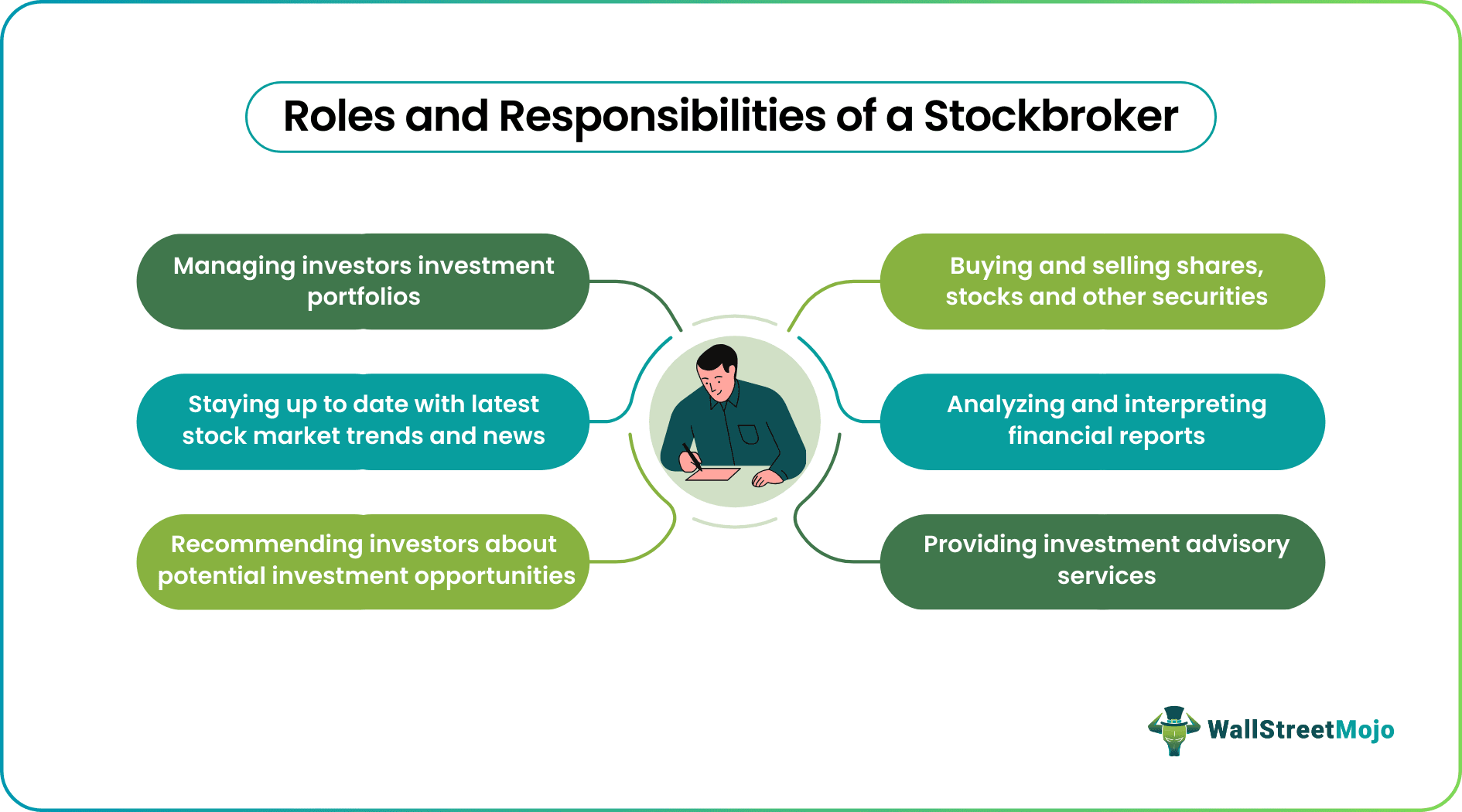
For newcomers, it’s imperative to scrutinize the availability of fractional shares, which allow investment with minimal capital, an increasingly popular feature offered by firms including Fidelity and Charles Schwab. Additionally, the presence of advisory services, ranging from robo-advisors like Schwab Intelligent Portfolios to personal wealth management, can provide tailored guidance crucial for long-term success. Also, ease of funding, withdrawal policies, and platform usability should rank high in decision priorities.
Trends in Trading Platforms and Educational Resources for New Investors
The evolution of trading platforms reflects a strong commitment to democratizing investment knowledge and tools. Interactive brokers such as Interactive Brokers and Webull provide immersive learning environments with extensive webinars, podcasts, and AI-powered research features. These offerings empower beginners to develop strategic understanding before committing real capital.
Particularly, community-oriented platforms like Webull stand out by combining social investing with actionable market insights, nurturing investor confidence through real-time peer interaction. Conversely, platforms predominantly focused on ease, such as Robinhood, emphasize intuitive interfaces and minimalistic design catering to casual investors but with trade-offs in asset variety and advisory support.
Understanding the technological robustness of each platform, including mobile app performance and access to comprehensive market data, also informs the comparative evaluation. For example, Firstrade excels in offering no-fee options contract trading and a straightforward app that supports seamless market navigation. Beginners should explore platform feature comparisons to match their technological proficiency with the platform’s offerings.

Customer Support and Additional Services Impacting Brokerage Selection
Customer service accessibility can be a defining factor for beginners. Firms like Charles Schwab boast extensive in-person branch networks and round-the-clock phone support, catering to investors whom personalized communication reassures. Other brokers, while excelling in online educational content, may limit support channels to email, affecting the immediacy of assistance.
Moreover, the availability of research conducted by the brokerage itself versus third-party insights can influence informed decision-making. Stock brokers such as Fidelity offer comprehensive proprietary research and analytical tools, complementing their extensive educational resources. This can significantly enhance a beginner’s ability to execute sound investments and manage portfolios actively.
For further understanding of opening a brokerage account and requisite documents, investors are encouraged to consult guides tailored to simplify these processes effectively, like this excellent resource. Before taking the plunge, clarifying these logistics lays a sturdy foundation for smooth entry into the market world.
Careful juxtaposition of brokers’ features, fees, platforms, and support structures enables beginners to identify which firm matches their financial aspirations and learning style. The decision involves balancing immediate affordability with long-term growth potential, comprehensive learning tools, and the scope of investment options accessible. This strategic approach prepares new investors to make sound decisions in the competitive space of stock trading.
