
In today’s complex financial landscape, the choice of a trading broker goes far beyond mere commissions and platform usability. Rather, it hinges critically on the regulatory framework that governs the broker’s operations. As markets evolve rapidly in 2025, with new asset classes and technologies emerging, the regulatory environment serves as the backbone ensuring market integrity, transparency, and investor protection. Understanding the role of regulations is vital for both novice and seasoned traders aiming to safeguard their capital and optimize trading strategies.
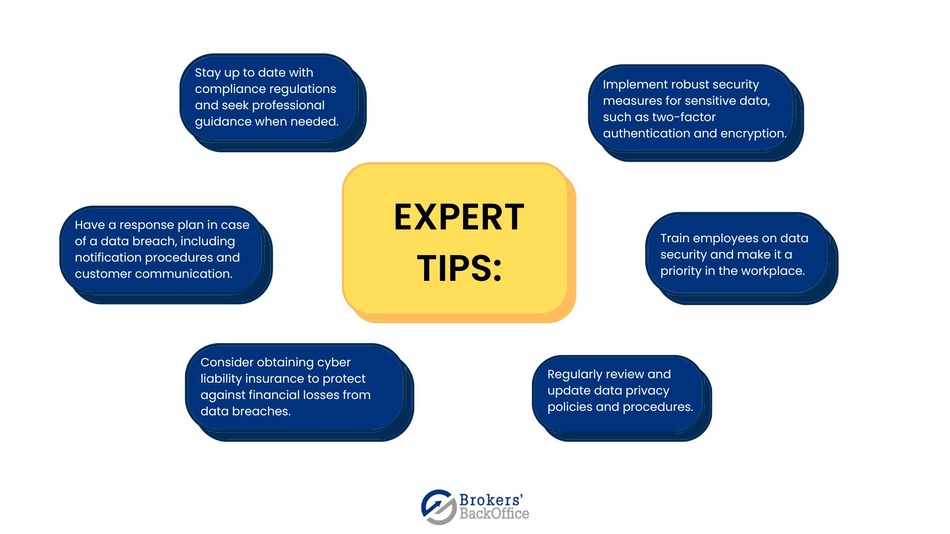
Regulation not only sets the standards for operational conduct but also provides mechanisms that enforce compliance, thereby mitigating risks of fraud and malpractice. Particularly in light of events such as the introduction of ESG compliance mandates and the increasing tokenization of assets, regulatory authorities play an indispensable role in harmonizing innovation with security. Institutional regulators such as the FCA, CySEC, ASIC, SEC, CFTC, FINMA, BaFin, ESMA, FSA, and IIROC maintain rigorous oversight to promote fair and transparent markets, which in turn reassures traders about the legitimacy and safety of their investments.
How Regulatory Frameworks Shape Broker Reliability and Trust
Choosing a trading broker regulated by credible authorities is paramount. Regulation signifies that the broker abides by stringent financial standards, including segregation of client funds, minimum capital requirements, and often, negative balance protection. For example, brokers regulated by the FCA or ASIC undergo regular audits and must uphold high levels of transparency and financial stability, which substantially lowers the risk of losses due to broker insolvency.
Conversely, brokers licensed in jurisdictions with lax regulatory demands, such as certain offshore centers, may not provide such robust investor safeguards. This distinction stresses the importance of examining not just if a broker is regulated but by whom. The regulatory body’s reputation and enforcement rigor directly influence the broker’s operational transparency and client protection mechanisms. Reflecting on platforms regulated under ESMA guidelines can provide insight into the harmonization efforts within the European Union, ensuring cross-border investor protection and market stability.

Regulatory Impact on Trading Conditions and Strategy Adaptation
Regulations affect trading conditions profoundly, influencing everything from leverage limits to short selling restrictions. For instance, many forex brokers adhere to leverage caps prescribed by authorities like the FCA or CySEC, which are designed to control risk exposure. This regulatory imposition requires traders to adapt, focusing more on risk management and less on high-leverage speculative positions. Detailed insight into leverage and margin trading rules is crucial for traders seeking to navigate market risks effectively and can be found at resources such as leverage and margin trading guidelines.
Furthermore, market practices like short selling are frequently governed by specific rules meant to prevent undue market volatility during downturns, such as the Short Sale Rule (SSR). Traders motivated by strategic sophistication must understand these constraints to optimize their approaches within the legal framework. Coordination between regulatory agencies—like between the SEC and FINRA in the U.S.—ensures enforcement of such rules, underscoring the interconnected nature of trading regulations globally.
Comparing Regulated Brokers and OTC Trading: Risks and Transparency
The distinction between regulated brokers operating on centralized exchanges and the often less transparent over-the-counter (OTC) markets is crucial in broker selection. Regulated platforms provide publicly accessible order books, price transparency, and stringent oversight by bodies such as the CFTC and NFA in the United States, reducing counterparty risks. For example, the forex market on regulated exchanges respects standardized contracts and clear pricing, enhancing investor confidence.
In contrast, OTC trading — prevalent in areas like cryptocurrency and some forex pairs — involves direct negotiation between parties, sometimes with limited regulatory oversight. This can increase exposure to counterparty risk and less predictable market liquidity. However, OTC trading can facilitate large-volume transactions without impacting public market prices, which appeals to institutional traders. Careful evaluation of a broker’s regulatory status concerning OTC exposure is essential to fully gauge potential risks and protections.
Technology’s Role in Regulatory Compliance for Modern Brokers
Technological innovation is a cornerstone of modern regulatory compliance, particularly in the context of automated reporting and real-time monitoring. The deployment of Regtech solutions equips brokers with tools to maintain transparency, streamline regulatory reporting, and promptly adapt to evolving legal requirements. Automated systems help mitigate risks of non-compliance which could lead to financial penalties or reputational damage.
Moreover, traders benefit from enhanced access to compliance data and reporting features, potentially simplifying regulatory adherence. For those opening trading accounts, guidance on regulatory obligations and broker assessment can be explored in depth at comprehensive trading account opening guides. Embracing such innovations ultimately fosters a safer trading ecosystem for market participants worldwide.
