
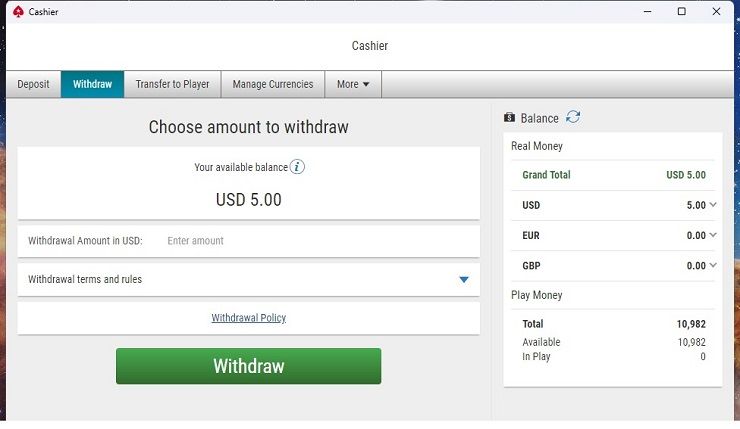
In today’s fast-paced financial landscape, managing deposits and withdrawals efficiently is paramount for both individuals and businesses. The process might seem straightforward, but nuances in payment methods, security features, and transaction timelines significantly affect the overall experience. From conventional bank drafts to digital ATM withdrawals, understanding the intricate steps behind each method can empower users to make smarter, safer choices with their money. As various platforms like PayPal, Skrill, and Wise continue to innovate, the landscape for fund transfer becomes increasingly accessible yet complex. Navigating this ecosystem requires more than just familiarity; it demands a strategic approach tailored to individual needs and financial goals.
En bref :
- Demand drafts remain a reliable secure method for transferring funds, preferred over personal checks for their guarantee by banks.
- Collecting accurate recipient and transaction details is the foundation of a smooth withdrawal or deposit process.
- Modern ATMs offer 24/7 access to withdraw cash quickly, but careless use can expose users to security vulnerabilities.
- Choosing the right institution, whether a traditional bank or a digital broker platform, influences fees, processing times, and overall safety.
- Utilizing regulated brokers with transparent fee structures enhances trust and reduces the risk of transactional errors.
Mastering Depositing Funds: From Demand Drafts to Digital Transfers
Depositing funds requires a hybrid understanding of traditional methods and the emerging digital landscape. A demand draft—essentially a bank-guaranteed check drawn from the payer’s account—offers an unmatched layer of security and assurance in transactions. For example, when a multinational company uses a demand draft, it ensures the payment is confirmed, avoiding common pitfalls associated with personal checks like insufficient funds. The process starts with acquiring the demand draft by submitting specific, verified information such as the payer’s name, the recipient’s precise bank account details, and intended transfer amount.
Unlike electronic transfers facilitated through services like Wise or Coinbase which offer near-instant transfers but are vulnerable to cyber risks, demand drafts create an auditable paper trail. This dual nature—security with tangible documentation—makes them especially valuable for high-value transactions where trust and compliance are non-negotiable.
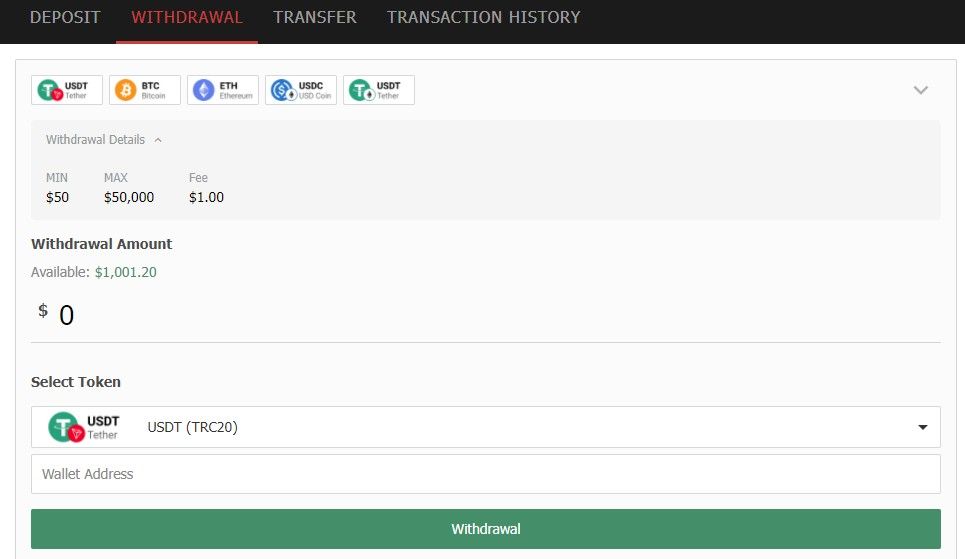
Crucial Steps to Obtain and Submit a Demand Draft
Obtaining a demand draft involves more than just a simple request; it demands precision. An account holder must provide detailed recipient information—name, address, and account number—paired with the transfer amount. Banks typically levy a flat fee or a percentage for this service, impacting the overall cost-effectiveness of the transaction. Choosing a bank offering transparent and competitive fees, such as those listed among regulated brokers, is vital to optimize financial outcomes.
Submission of the demand draft follows a careful review of all included details—incorrect or incomplete information can cause transactional delays or cancellations. Many customers opt for courier delivery or direct handover, especially when timeliness and security are priorities. Some banks are now integrating online submission portals for demand drafts, bridging the gap between traditional reliability and digital convenience.
Withdrawing Funds: Navigating Demand Draft Collection and ATM Usage
After issuing a demand draft, the recipient holds the responsibility to collect and deposit it properly. Traditionally, this meant physically visiting the issuing bank branch, presenting valid identification, and confirming details. However, modern innovations offer multiple avenues: courier delivery, pickup from bank branches, or even digital notifications facilitating quicker access. Each method has inherent pros and cons—courier services, though convenient, carry risks of delays or losses, whereas branch visits ensure immediacy but might be impractical for remote clients.
Once in possession, depositing the demand draft involves verifying its authenticity and matching it to the recipient’s bank account. Banks like Robinhood and Neteller enhance these steps with robust digital systems that simplify the deposit process and offer transparency on clearance times.
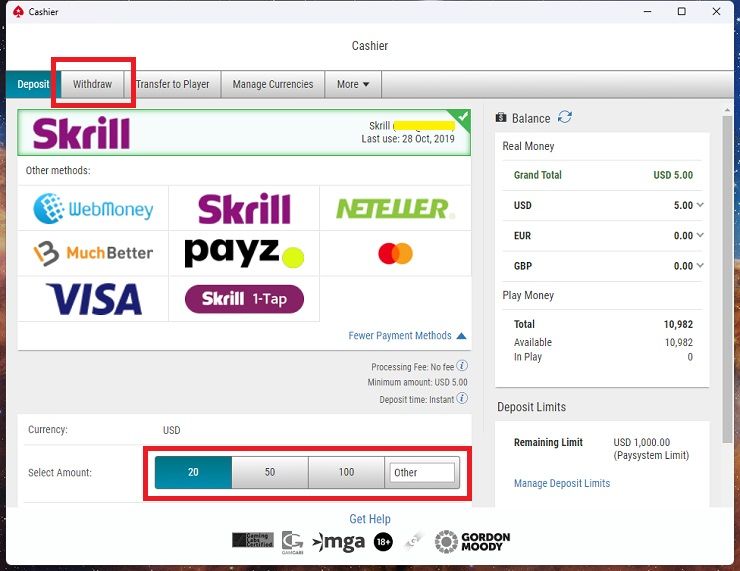
Step-by-Step Guide to Safe ATM Withdrawals
In parallel, Automated Teller Machines (ATMs) serve as a vital touchpoint for quick cash access worldwide. Their ubiquity—from urban centers to remote gas stations—means withdrawing cash is accessible almost anywhere. However, security remains paramount. Users must select ATMs within secure, well-trafficked locales and shield their PIN entry to prevent skimming or theft.
The withdrawal process is straightforward: insert the debit or ATM card issued by your bank or fintech provider, enter the PIN, select the withdrawal option and account type, then input the desired cash amount. Modern ATMs support various card types including those tied to platforms like Stripe and Venmo, broadening convenience for users of these services.
Though simple, overlooking basic precautions such as checking for card slot tampering devices or failing to retrieve your card can have significant financial consequences. Awareness and caution during each transaction ensure the safety of personal financial information.
Optimal Choices in Managing Funds: Tips for Security and Efficiency
Choosing the right financial partner is instrumental in securing transactions and optimizing fund management. Preferably, transacting through regulated brokers guarantees adherence to stringent compliance standards, safeguarding client assets from fraud or mismanagement. Moreover, clarity on fees and transaction times can be gleaned by referencing informational resources tailored to broker credentials and fee structures.
Whether facilitating deposits through a demand draft or quick withdrawals via ATM, leveraging integrated digital solutions alongside traditional banking principles ensures flexibility, speed, and security—fundamental elements in the contemporary financial world.
