
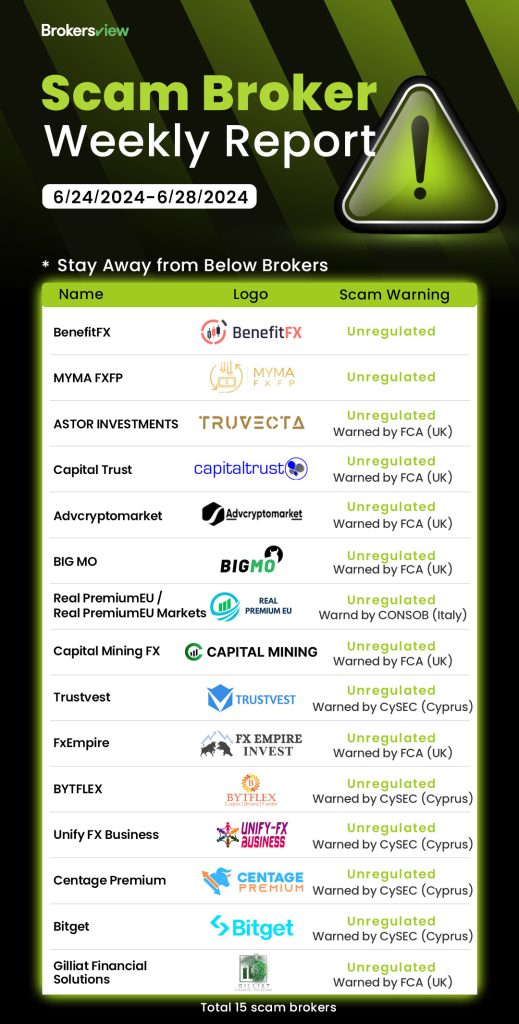
Financial markets have undergone dramatic transformation in recent years, attracting a surge of new investors eager to capitalize on digital platforms. However, this growth accompanies a parallel rise in sophisticated broker scams, exploiting both inexperienced traders and seasoned investors. In 2022 alone, investment scams led to losses nearing $8.8 billion, underscoring the critical need for vigilance in the trading environment. Understanding the mechanics of these scams and recognizing warning signs is essential for safeguarding assets and maintaining confidence in trading activities. This article delves into the nuanced tactics deployed by fraudulent brokers and offers practical strategies to identify and avoid falling prey to such schemes.
In brief: Broker scams often promise easy, risk-free profits and operate through unregulated platforms, making withdrawal processes difficult. Awareness of regulatory status, transparent fee structures, and authentic customer support are key to spotting fraud. Additionally, staying informed about evolving scam tactics and using secure payment methods enhance protection. Leveraging resources like BrokerGuard and ScamAware can empower traders to verify broker legitimacy before engagement.
Unveiling the Tactics Behind Broker Scams in Modern Trading
Broker fraud has evolved remarkably, primarily fueled by advances in technology and the proliferation of online trading platforms. Fraudulent entities create convincing facades, replicating legitimate websites complete with professional branding and social media presence. These imposters entice investors through manipulated accounts, unauthorized trades, and false promises of rapid wealth. For instance, certain brokers engage in “churning,” generating excessive trades to rack up hidden fees, while others impose undisclosed withdrawal charges to trap funds. Psychological manipulations are also common; initial small profits lure traders into deeper commitments before obscuring access to their capital.

Recognizing Red Flags: The Essential First Step to Protect Investments
A critical indicator of a scam broker is the absence of proper regulation or licensing—a fundamental standard expected from legitimate market participants. Reliable brokers transparently display their regulatory credentials, often verified through national authorities such as the Financial Sector Conduct Authority or the Australian Securities and Investments Commission. False advertising, including promises of guaranteed high returns without risk, should immediately trigger skepticism. Furthermore, difficulties encountered during withdrawal attempts often reveal ill-intentions: scammers might exploit convoluted terms, demand exorbitant fees, or delay payments indefinitely. Inadequate customer support services compound these issues, leaving clients isolated without recourse.
Tools like SafeTradeWatch and TrustCheck provide investors with robust mechanisms to confirm broker authenticity and regulatory compliance, making them indispensable allies against deception.
Beyond the Surface: How Fake Brokerages Operate and Trap Investors
Fraudulent brokers often deploy elaborate schemes involving fake or unregulated platforms designed to mimic legitimacy. They thrive on obscurity, masking real fees and exploiting investor naivety. Once funds are deposited, these scammers might manipulate account balances, use automated bots to simulate profitable trades, or deploy fake testimonials that bolster false credibility. The allure intensifies with claims of exclusive strategies and inside information promising lofty returns—claims that no legitimate broker can substantiate. Such tactics exploit the psychological vulnerabilities of traders eager for swift gains, entrapping them in cycles of loss.
To combat these sophisticated ruses, investors benefit from tools like BrokerAlert and FraudShield, which monitor market activities and raise alerts about suspicious brokerage behavior, helping traders maintain an informed stance.
Practical Measures to Safeguard Assets in an Era of Increasing Scams
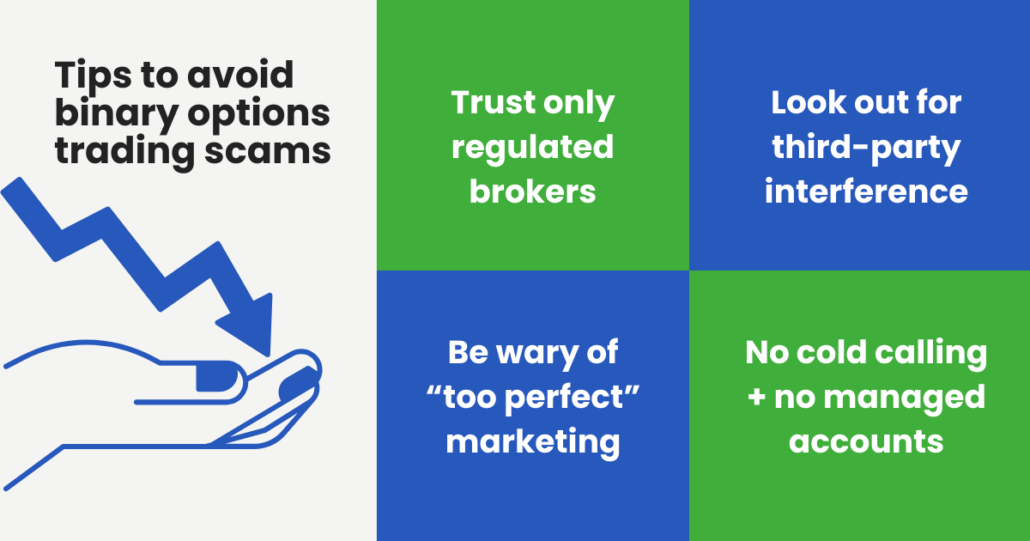
Protecting oneself from broker fraud begins with meticulous due diligence. Conducting comprehensive background checks on brokers—including reviews, regulatory status verification, and historical complaint analysis—is imperative. Testing platforms with minimal deposits before committing significant capital serves as a practical risk mitigation step. Furthermore, avoiding brokers who pressure for rapid trading or chasing unrealistic returns preserves capital and prevents emotional decision-making. Maintaining detailed transaction records and using traceable, secure payment methods fortify the defense against fraudulent schemes.
Joining reputable trading communities and leveraging platforms like ScamSeal and TradeSafeNet equip investors with collective wisdom and real-time alerts, fostering a collaborative shield against scams. Staying educated on financial market dynamics and scam evolution remains a continuous necessity for every trader.
