

Navigating between trading accounts swiftly and securely has become an indispensable skill for traders balancing multiple portfolios or testing diverse strategies. In 2025’s dynamic markets, the ability to switch seamlessly across platforms without latency or risk of error directly impacts trading efficiency and decision-making agility. Platforms like MetaTrader have refined this switching process, offering built-in tools that prevent frequent logins and minimize disruption.
For traders managing both demo and live accounts or diversifying across asset classes, such as forex, stocks, or cryptocurrencies, the process demands a fluid integration of multiple accounts under one interface. Whether utilizing heavy-hitters like Interactive Brokers or TD Ameritrade, or innovative platforms such as eToro and Plus500, the focus remains on intuitive navigation, secure authentication, and retention of personalized workspace settings. Mastering these aspects safeguards against costly mistakes, allowing focus on market analysis and trade execution rather than technical hurdles.
En bref : Efficient account switching allows traders to react instantaneously to market changes, test strategies concurrently on demo versus live accounts, and manage diverse portfolios without losing focus. By integrating multiple accounts – whether on MetaTrader, Saxo Bank, or Robinhood – traders reduce downtime and streamline operations. Key elements include saving credentials securely to avoid repeated logins, organizing accounts with descriptive labels, and leveraging profile features that maintain individualized workspace preferences. Avoiding common pitfalls like confusing account identities or overloading the platform ensures smoother operations. These strategies collectively enhance readiness and responsiveness in fast-moving markets.
Optimize Account Management for Agile Trading in MetaTrader
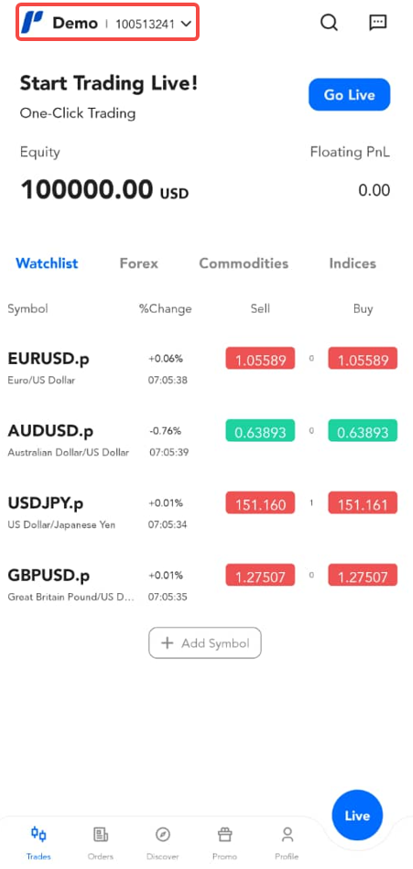
MetaTrader remains a cornerstone platform for traders intending to fluidly toggle between accounts. Its design supports adding multiple accounts under one installation, eliminating the need for repetitive logins that sap valuable seconds during critical market moments. The process involves opening File > Open an Account, inputting broker server details and credentials, then saving each account for instant access.
Traders benefit from instantaneous session switching by simply double-clicking the account in the Navigator pane. This feature is indispensable for professionals utilizing both real funds and demo accounts in parallel, allowing real-time strategy testing without interrupting live trades. Moreover, traders can rename each account with descriptive labels like “Live Forex” or “Demo Crypto,” which fosters immediate identification and minimizes risks of erroneous trades.
Enrich Trading Efficiency: Profile Management and Performance Monitoring
Beyond account switching, MetaTrader allows users to save workspace profiles specific to each account. These profiles store customised chart layouts, preferred indicators, and tool configurations, enabling traders to preserve a familiar environment regardless of the account engaged. This bespoke setup supports seamless adaptation across strategies and asset classes, critical for platforms like TradeStation or IG which cater to diverse trading demands.
Furthermore, built-in analytics tools within MetaTrader allow clear performance tracking by account. Traders can monitor balance evolutions, equity curves, and detailed trade histories separately, reinforcing informed decision-making. This compartmentalized approach proves invaluable in portfolio diversification scenarios, where outcomes on Saxo Bank accounts might differ significantly from results on Plus500 or Robinhood.
Transitioning Between Trading Platforms Without Losing Momentum
Switching trading platforms, such as moving from Interactive Brokers to eToro or TD Ameritrade to Thinkorswim, often presents technical and psychological barriers. Traders must carefully migrate strategies, transfer settings, and re-establish fund transfers while maintaining operational continuity. Efficiency hinges on detailed preparation, including thorough research of the new platform’s asset compatibility, fees, support quality, and user interface customization options.
Comprehensive familiarization using demo accounts provides a risk-free environment to master the new platform’s functionality before shifting real capital. Ensuring security measures like two-factor authentication and setting withdrawal limits further fortify account integrity during transition. Testing deposit and withdrawal workflows with minimal amounts helps detect issues early, avoiding disruptions when live trading resumes.
Best Practices for a Smooth Platform Migration
Successful transitions respect the trader’s workflow, with attention to transferring custom indicators, automated strategies such as Expert Advisors, and maintaining trading journals. Platforms like MetaTrader facilitate exporting and importing these configurations, easing the process.
Utilizing community resources, tutorials, and responsive customer service from platforms like Saxo Bank, IG, or Plus500 ensures support during challenges. Gradually increasing trade sizes during initial live sessions on the new platform helps acclimate traders while managing risk tolerance effectively.
The evolving landscape of trading technology in 2025 emphasizes not only the capacity to switch accounts effortlessly within a platform but also the strategic advantage of fluidly navigating between diverse platforms. As global markets accelerate and asset classes diversify, traders leveraging platforms like TradeStation, Robinhood, and Interactive Brokers enhance agility, compliance, and tactical flexibility through well-managed account switching and platform migration strategies.
For a comprehensive review of the top trading platforms suited for efficient account management and switching, consider exploring expert-curated broker ratings and comparisons tailored for decisive investors and traders here.
