

Embarking on the journey of building your first trading portfolio can be as thrilling as it is daunting. The financial landscape in 2025 continues to evolve rapidly, with investor preferences shifting towards platforms that combine ease of use, advanced analytics, and broad asset offerings. New traders today have access to a diverse array of brokerage options, like Robinhood and E*TRADE, that eliminate many traditional barriers to entry. Understanding how to set clear investment goals, choose the right mix of assets, and leverage technology effectively is fundamental to navigating this complex environment. This foundational approach enables beginners to not only safeguard their investments but also to foster sustainable growth in their portfolios. By methodically exploring diversification, strategic allocation, and cost-efficiency, investors can tailor their first portfolio to align with both short-term needs and long-term ambitions.
In brief:
Define clear financial goals before you start investing to create a purposeful portfolio.
Choose brokers that align with your needs – consider platforms such as Charles Schwab for user-friendly features or Interactive Brokers for advanced tools.
Diversification remains a cornerstone of reducing risk; balance between equities, bonds, and alternative assets.
Be mindful of fees and commissions, as these can erode gains, with brokers like Fidelity and Vanguard often offering low-cost investment options.
Stay adaptable and review your portfolio regularly to respond to changing market conditions.
Strategic Approaches to Building Your Trading Portfolio
Setting up a trading portfolio requires more than simply picking stocks or bonds—it demands a strategic mindset founded on knowledge and discipline. Investors must identify their risk tolerance and timeframe, factors that fundamentally guide their asset allocation decisions. For instance, a younger trader with a longer horizon might favor growth-oriented stocks through platforms known for their stock offerings, such as WeBull or Merrill Edge. Conversely, those closer to retirement may prioritize capital preservation, incorporating more bonds or dividend-paying securities. Leveraging brokers like TD Ameritrade, known for its educational resources and research tools, can significantly enhance decision-making and confidence for first-time investors. Establishing a diversified mix within the portfolio mitigates the impact of volatility, ensuring smoother performance even in turbulent markets.
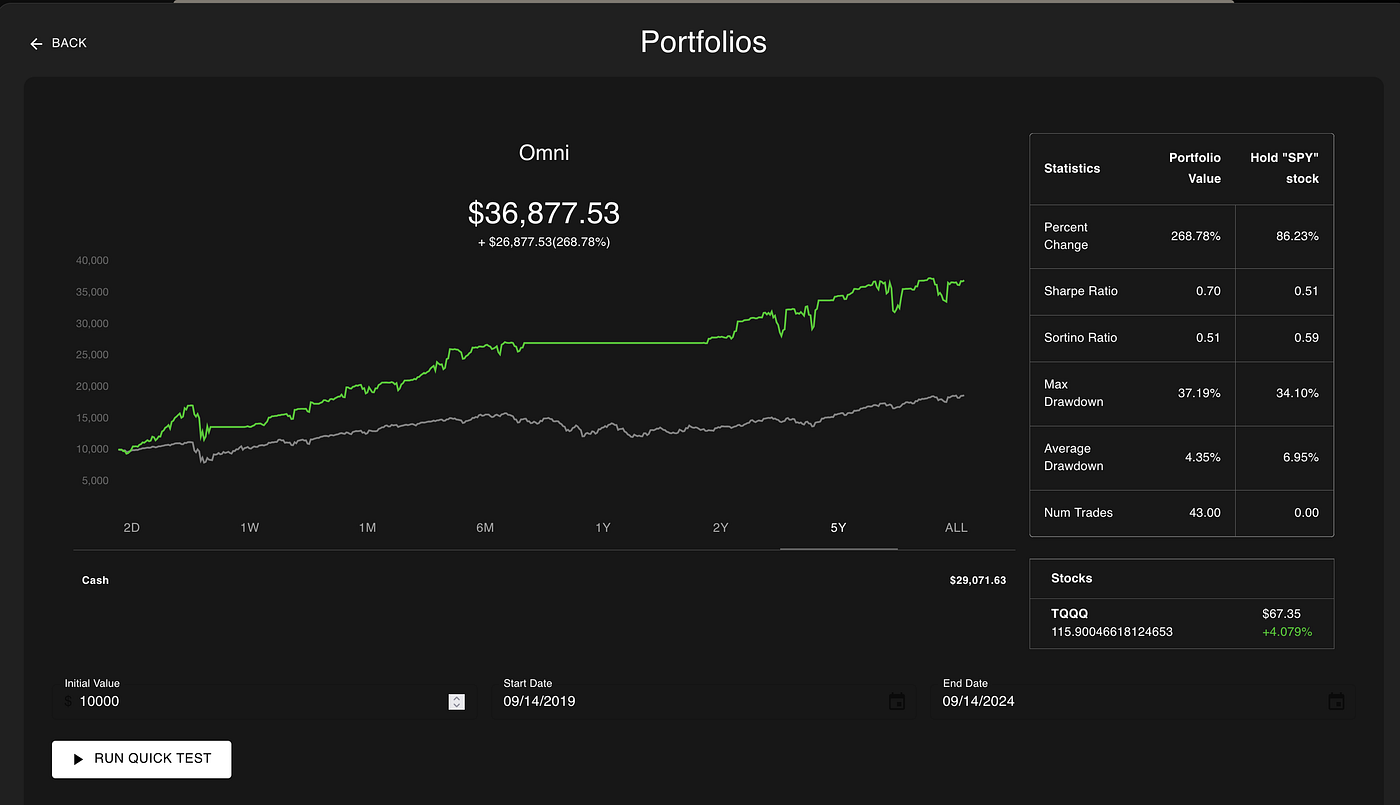
Optimizing Asset Allocation for Stability and Growth
Effective asset allocation is the linchpin of portfolio success. Allocating the right proportion of funds across various asset classes—stocks, bonds, ETFs, and sometimes commodities—depends largely on the investor’s objectives and market outlook. For example, incorporating index funds or ETFs available through brokers like Charles Schwab and Fidelity allows exposure to broad market segments with minimal fees. This approach balances risk while offering the benefits of market growth. Additionally, adjusting allocation periodically, a process facilitated by most modern brokerage platforms, helps maintain an optimal risk-return profile. The agility to rebalance in tune with market dynamics differentiates savvy investors from the rest by capturing gains and preventing overexposure to any single asset.
Choosing the Right Broker for Your Trading Journey
The broker you choose plays an integral role in your trading experience. Selection should hinge on a variety of factors: cost structure, platform usability, available investment products, and support services. Platforms like Fidelity and Vanguard are favored for their trustworthy reputation and robust educational content, making them ideal for novices who seek guidance. At the same time, Interactive Brokers offers powerful tools for more technically inclined investors ready to dive deeper into complex trades. With numerous commission-free trades available on platforms such as Robinhood and E*TRADE, the cost barrier to active trading has been significantly lowered. Understanding these nuances helps investors select a broker that complements their investment style and goals.

Technology’s Role in Portfolio Management and Execution
Modern trading platforms have revolutionized portfolio construction and management by delivering real-time data, automated rebalancing options, and artificial intelligence-driven insights. Brokers such as TD Ameritrade and Merrill Edge integrate these technological advancements to enhance user experience and investment precision. For new traders, these tools can simplify complex analyses and support timely investment decisions, thus reducing emotional biases. As investors gain experience, they can harness these platforms’ full capabilities to execute sophisticated strategies including algorithmic trading or tax-loss harvesting, facilitating optimized portfolio performance in an ever-volatile market.
