
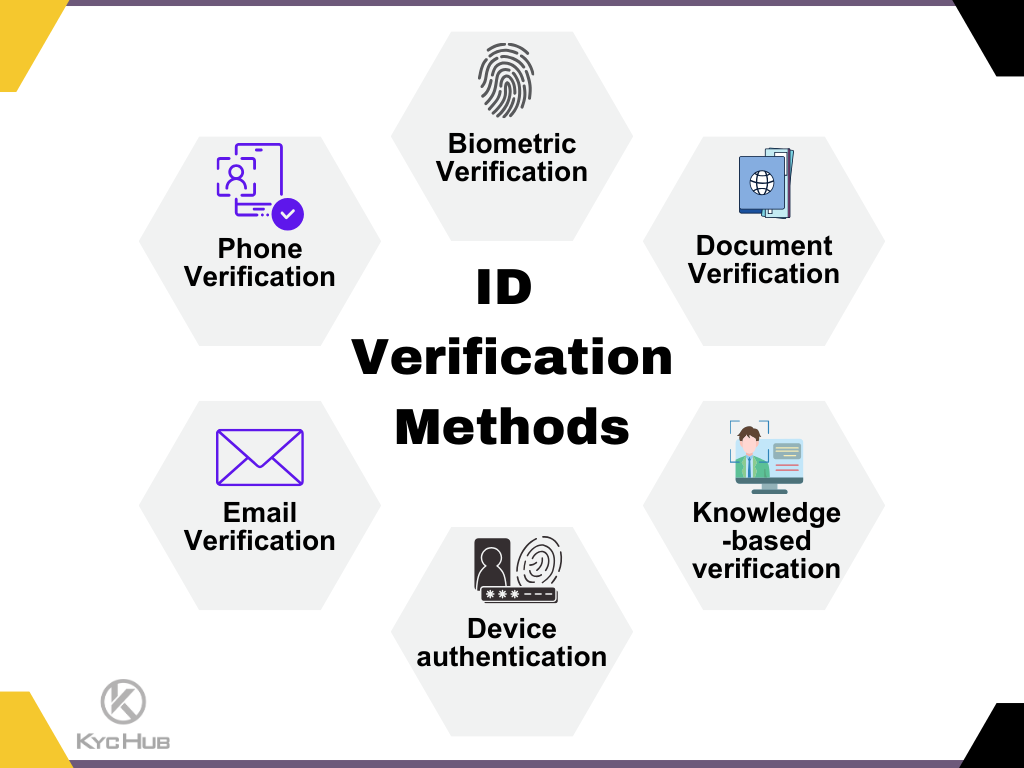
In an era where digital transactions underpin much of daily commerce and individual finance, the significance of validating bank account details has escalated remarkably. The account verification process stands as a vital pillar safeguarding financial interactions from fraud and ensuring regulatory compliance. Especially in industries driven by fintech, cryptocurrency, insurance, and global payment platforms like Stripe and PayPal, confirming that an account truly belongs to the entity claiming ownership is not just advisable but often legally mandatory.
With $43 billion lost to identity fraud in the United States alone in recent years, securing transactional integrity through bank account verification has become a non-negotiable standard. By cross-checking essential details such as account numbers, routing information, and account holder identities, businesses establish trust, reduce risk, and comply with stringent Know Your Customer (KYC) and Anti-Money Laundering (AML) legislation.
As this process grows more sophisticated, providers from Amazon to LinkedIn adopt instant verification technologies that integrate seamlessly into digital ecosystems. From micro deposits to API-based real-time verification offered by services akin to HyperVerge, verifying bank accounts ensures that platforms like Coinbase and Wise maintain secure environments for their users. Exploring how these verification methods work—and why they matter—illuminates the backbone of trust sustaining today’s digital financial world.
In brief: Understanding and implementing the account verification process is indispensable for protecting against fraud and meeting compliance standards. This process confirms ownership, validates accuracy, and enhances trust across diverse platforms. Instant verification methods reduce onboarding friction, while traditional checks mitigate risks tied to fraudulent accounts. Key benefits include safeguarding transaction integrity, ensuring regulatory adherence, and fostering confidence for services ranging from Airbnb to Twitter.
Critical Importance of Account Verification in Digital Finance
Account verification extends beyond bureaucratic procedure; it forms the linchpin of secure financial engagement in digital finance. The surge in online banking and payment platforms elevates risks of fraud, identity theft, and money laundering. According to recent studies, fraud accounted for over $43 billion losses, deeply affecting both consumers and businesses. Verification therefore functions as a crucial defense against unauthorized access and financial misconduct.
This process is integrally linked with compliance mandates such as KYC and AML, obliging financial institutions to authenticate customer identities thoroughly. Businesses using platforms like PayPal and Wise must ensure they transact with verified account holders, which reduces risks and bolsters consumer confidence. Moreover, customer due diligence (CDD) invokes periodic reassessment, creating dynamic security layers that adapt to ongoing financial behavior.
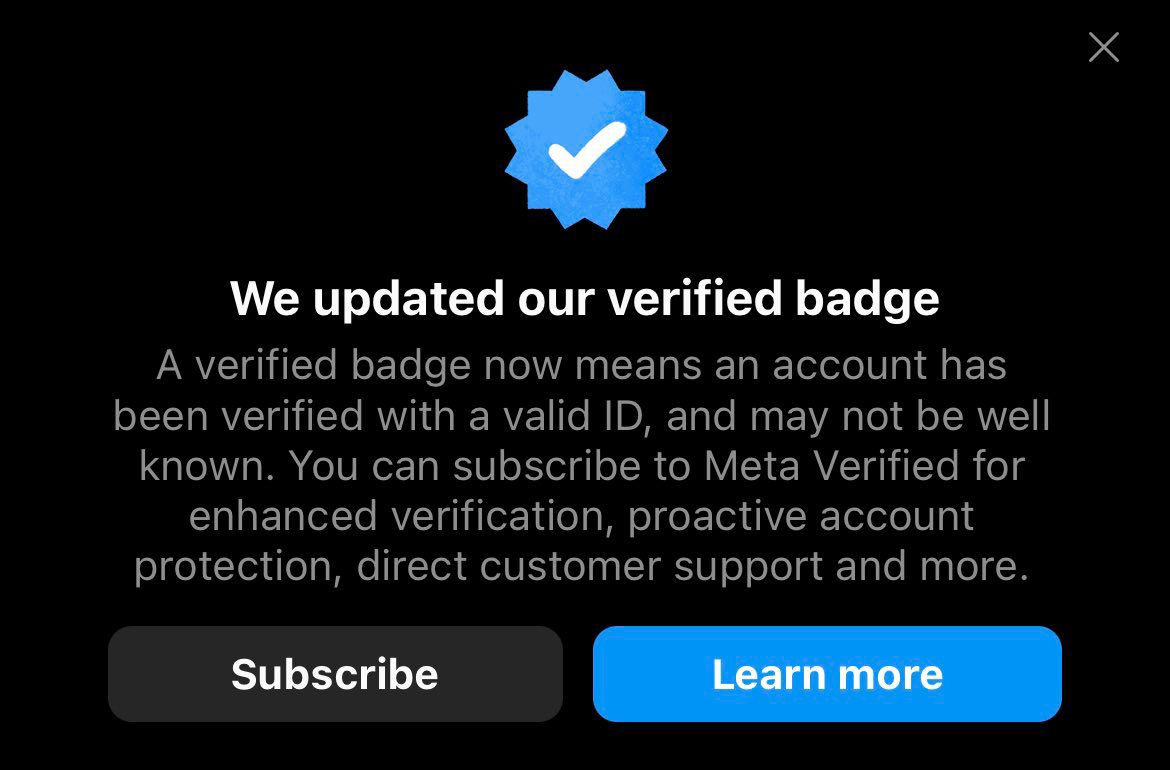
Methods: From Traditional to Instant Verification
The process of confirming bank account ownership varies but predominantly revolves around three techniques, each with unique advantages and limitations. Traditional methods include requesting bank statements, which provide a verifiable record of account ownership but raise concerns about data privacy and potential delays. On the other hand, micro deposit verification, widely utilized by banks and fintech firms alike, involves small trial deposits confirmed by the account holder. This method, while straightforward, requires several days to conclude and only assures account access rather than full identity verification.
Modern instant verification techniques represent a technological leap, employing APIs to cross-reference account details against secure databases in real time. Such systems, akin to those used by leading cryptocurrency platforms like Coinbase, streamline onboarding by completing verification within seconds, minimizing customer drop-off. These instantaneous solutions not only enhance user experience but also tighten defenses against elaborate fraud schemes that plague digital marketplaces.
Bank Account Verification: Essential Compliance and Risk Management
Beyond fraud prevention, account verification aligns closely with compliance frameworks that govern the global financial landscape. Regulatory bodies require financial institutions and service providers to enforce rigorous identity checks before allowing transactions. The Bank Secrecy Act (BSA), alongside KYC and AML standards, compels organizations to maintain detailed transaction records and report suspicious activities, thereby preventing illicit financing and enhancing transparency.
These regulations are increasingly relevant across industries utilizing digital payments, including giants like Amazon and Airbnb, where user trust is paramount. By embedding verification protocols that integrate with existing platform security systems, companies uphold compliance and shield themselves against legal penalties while fostering seamless customer interactions.

Optimizing Customer Trust Through Verification
Establishing genuine trust in the digital domain starts with confirming user legitimacy. Account verification serves this objective by confirming accuracy of bank information and active account status. This validation process safeguards against impersonation and unauthorized transactions, significantly reducing financial losses and reputational damage.
Platforms such as LinkedIn, Stripe, Twitter, and Instagram leverage verified bank account data to enhance their payment security frameworks, giving customers and partners confidence in the authenticity of transactions. Incorporating advanced biometric checks and video KYC further strengthens these systems, pushing identity verification into a more user-friendly yet robust dimension.
Implementing Verification Solutions: Best Practices for Businesses
For companies seeking to integrate account verification, seamless user experience combined with uncompromising security should be prioritized. Connecting verification APIs with backend systems enables real-time checks that shorten onboarding time while maintaining regulatory compliance. Ensuring strong data encryption protects sensitive information throughout the verification flow.
Additionally, continuous monitoring of account behavior supports early detection of anomalies indicative of fraud. Enterprises involved in trading or financial services, detailed in resources like open trading account guides or platform security for trading funds, benefit greatly from implementing such robust verification frameworks. Combined with educational efforts towards recognizing broker scams and evaluating broker credentials, these measures constitute a comprehensive defense mechanism in the digital financial ecosystem.
