
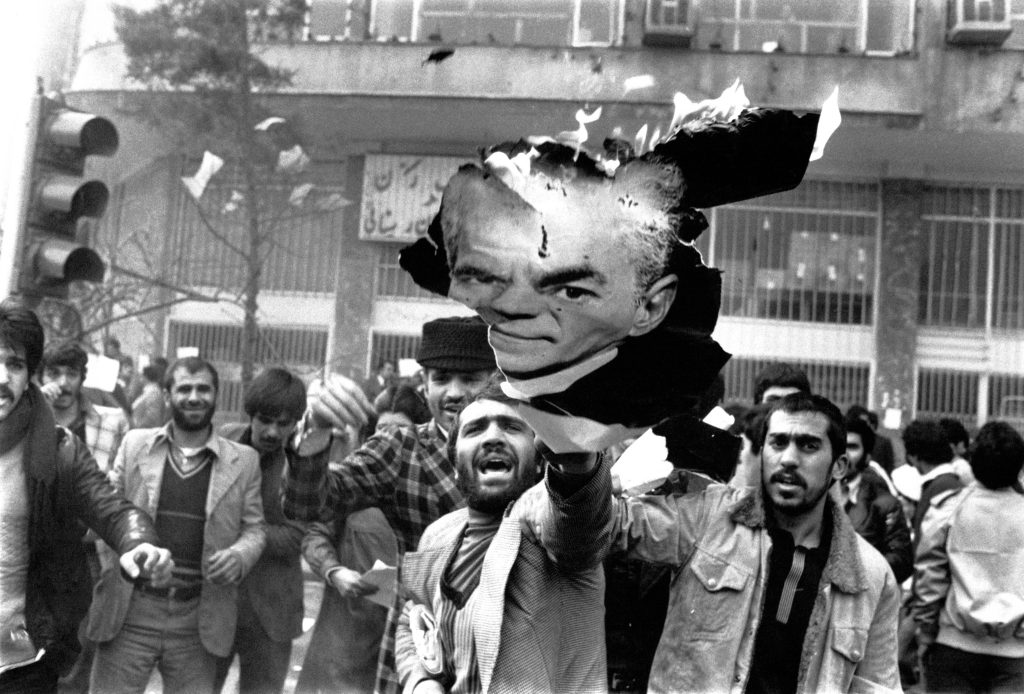
Bernard Hourcade offers a compelling analysis of the political dynamics currently shaping Iran, highlighting the overwhelming dominance of radical factions within the state apparatus. Despite the undeniable grip radicals have secured over governance, this configuration of power raises crucial questions about the sustainability and long-term stability of the Political State in Iran. The tension between radical ideology and pragmatic governance feeds a landscape rife with contradictions, suggesting an inevitable pivot point driven by internal and external pressures. Hourcade’s insights underscore how persistent societal transformations clash with entrenched political dogma, driving home the complexities around political change in this pivotal Middle East nation.
In brief: Iran’s current political climate is dominated by radicals, but this cannot be sustained indefinitely. The gap between societal evolution and political rigidity signals potential upheavals ahead. Underlying challenges in governance threaten the state’s long-term stability. External pressures and regional dynamics further complicate the path to political change. Understanding Iran requires grasping this paradox between domination and unsustainability framed by Bernard Hourcade’s expertise.
The Dominance of Radicals and Its Impact on Iran’s Political Stability
Bernard Hourcade’s assessment reveals that the radicals’ firm control over Iran’s political mechanisms deeply affects the state’s long-term stability. While their uncompromising stance consolidates power internally, it simultaneously alienates moderate voices and civil society, producing an unsustainable political equilibrium. This radical dominance impedes reforms critical to adapt governance structures to the demands of a complex, modern Iranian society undergoing rapid change. The current political regime thus faces an increasing risk of systemic rupture as societal pressures outpace the government’s capacity for accommodation or flexibility.

Governance Challenges: Balancing Control and Change
The Iranian state’s governance is caught in a paradox: enforcing strict radical control while navigating the inevitable demands for political evolution. Hourcade emphasizes that such policies are often in direct conflict with the broader socio-economic realities. For instance, the growing youth demographic demands innovation and openness, which are largely suppressed under current policies. This rigidity exacerbates tensions, with governance seen as increasingly disconnected from societal needs. The fracturing effect on national unity is potent, undermining long-term sustainability and risking widespread unrest. This complex dynamic situates Iran on a precarious edge within the broader Middle Eastern geopolitical landscape.
The Inevitable Pressure for Political Change in Iran
The dominance of radicals is met by persistent, albeit suppressed, currents advocating for political reform and freedom, indicating that the current state of affairs cannot endure indefinitely. Hourcade identifies these undercurrents as fueled by young Iranian citizens and segments of the middle class, whose aspirations clash with the entrenched power structures. These demands are compounded by economic constraints and international isolation aggravated by contentious foreign policies. Historical patterns analyzed by Hourcade suggest that revolutionary or reformist breaks often arise from these pressures, highlighting the urgent need for adaptive governance models. A nuanced understanding of Iran’s internal and external challenges is critical, especially in light of ongoing diplomatic interactions as visible in Washington-Tehran negotiations.
Regional Influences and Their Role in Shaping Iran’s Future
The wider Middle East context profoundly impacts Iran’s political trajectory. Conflicts and alliances in neighboring countries continuously exert influence, complicating domestic governance. Bernard Hourcade points to how Iran’s support for various regional actors reflects the intertwined nature of its internal and external politics. These tensions often reinforce radical positions internally due to perceived threats, yet they simultaneously expose vulnerabilities within the system. Recognizing these geopolitical factors is essential to grasp the multidimensional challenges confronting Iran’s political state and its implications for potential stability or transformation.
