
In the quiet expanses of Brittany, a tense crisis has gripped local law enforcement and residents alike, as an armed man remains barricaded within his home. This standoff has drawn the elite GIGN unit into protracted negotiations, aiming to defuse what authorities are cautiously labeling a volatile hostage situation. The isolation of this siege underscores the delicate balance between ensuring public safety and resolving crises without bloodshed. As the hours stretch on, police maintain a tight perimeter, emphasizing the critical role of methodical communication and strategy in such high-stakes engagements.
In brief:
- An armed man has taken refuge in his Brittany home, triggering a broad security response.
- GIGN specialists are engaged in ongoing negotiations to peacefully end the home siege.
- The situation remains a precarious crisis, captivating law enforcement and community attention.
- Authorities emphasize containment and communication to prevent escalation.
- The unfolding event highlights the complex dynamics of hostage situations handled by expert police forces.
Strategic Approaches in the GIGN-Led Negotiations Amid Brittany Siege
The deployment of the GIGN in Brittany reflects their unique expertise in resolving extreme confrontations involving firearms and potential hostages. Throughout the negotiation process, their priority remains the peaceful release of the suspect while safeguarding potential victims and police personnel. Their measured tactics echo the evolution of crisis management protocols adapted to the nuanced challenges posed by lone individuals entrenched in familiar surroundings.
These negotiations, far from mere dialogue, incorporate psychological assessment, tactical positioning, and contingency plans devised to respond instantly to unpredictable developments. The situation’s volatility demands an ongoing reassessment of strategy, balancing the suspect’s demands with the interests of justice and public security. This standoff serves as a case study in controlled law enforcement escalation and restraint.
Implications for Law Enforcement and Community Safety in Brittany
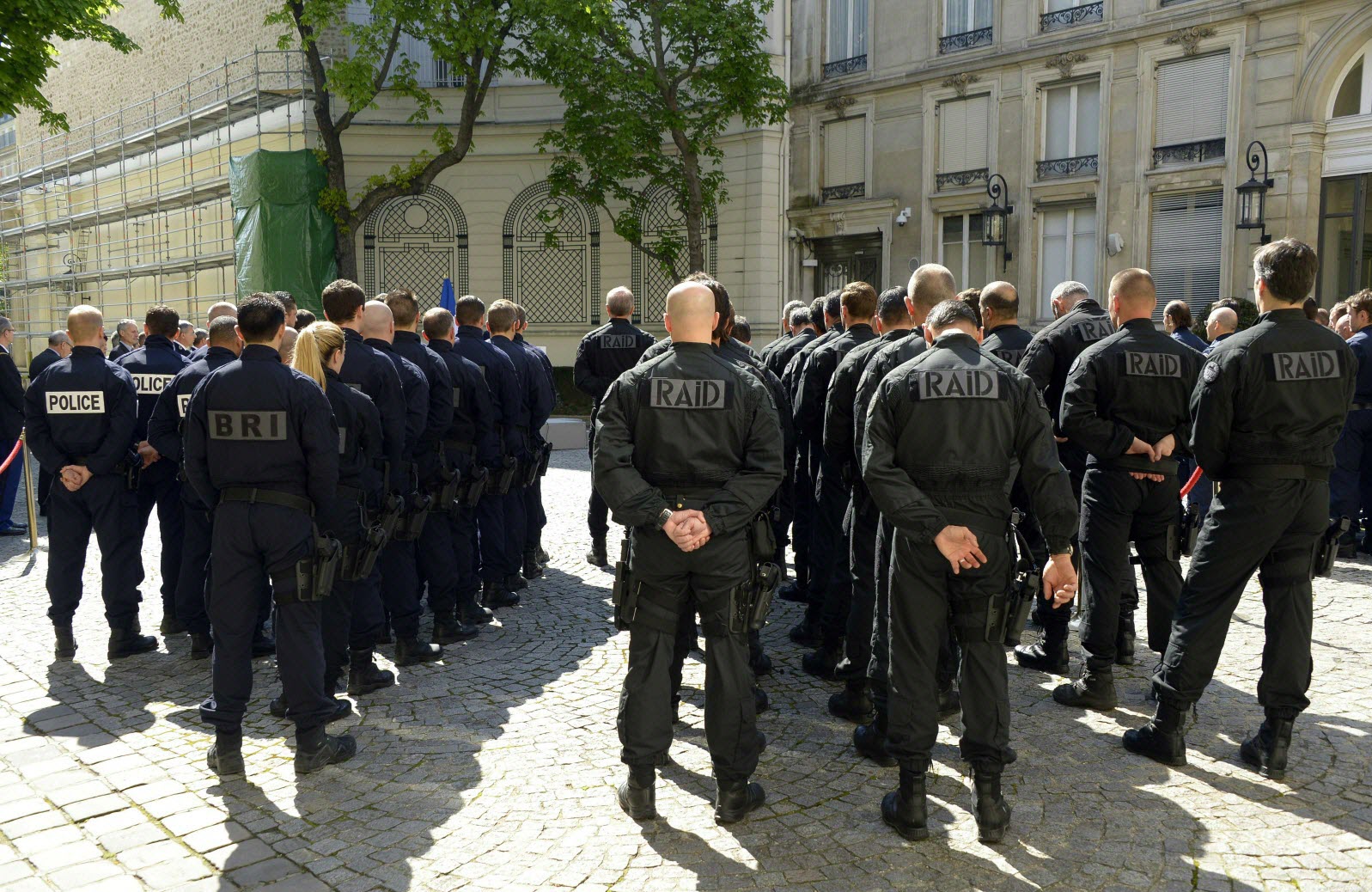
The ongoing siege exposes the vulnerabilities inherent in suburban safety and tests the efficacy of rapid law enforcement mobilization. The surrounding community has adjusted to the confinement of routine within a secured perimeter, underscoring the tangible impact of such events on public psyche and local operations. Coordination between various police branches and emergency services exemplifies contemporary crisis response frameworks, emphasizing shared intelligence and unified command structures.
This incident also catalyzes broader discourse on preventive strategies, including mental health outreach, community policing, and advanced readiness for hostage scenarios. Analysts highlight that beyond immediate tactics, sustainable solutions rely heavily on social frameworks that mitigate such isolated yet intensely dangerous episodes.
Evolution of Crisis Negotiation Techniques Applied by GIGN in 2026
The refining of negotiation techniques by elite units like the GIGN is paramount in 2026’s complex landscape of domestic security threats. Recent advances integrate technology-assisted communication, real-time behavioral profiling, and virtual reality training simulations to prepare operatives for an array of volatile scenarios. Each facet of the negotiation process is meticulously designed to achieve de-escalation while preserving all lives involved.
In Brittany, these innovations materialize through patient engagement and technological support, including advanced surveillance and secure channels. The dialogue between police and the armed individual leverages these tools to maintain calm and foster trust — critical ingredients in the prolonged entrapment environment. This blend of human empathy and cutting-edge methodology epitomizes modern law enforcement philosophy.
Lessons from the Brittany Siege for Future Law Enforcement Operations
The Brittany home siege reinforces essential lessons for law enforcement agencies globally. Chief among them is the necessity of integrating multi-disciplinary expertise—from psychological counseling to tactical deployment—to address multifaceted crises efficiently. Building community resilience through transparency and timely information dissemination reduces fear and speculation.
Additionally, public awareness campaigns about the nuances of such crises foster supportive environments for officers operating on the front lines. The current operation, while still unfolding, already provides valuable insights for training enhancements and policy reforms aimed at minimizing risk and maximizing peaceful outcomes in future hostage situations.
