

In 2025, the rise of cybersecurity threats continues to challenge even the most vigilant investors. With online trading platforms like Fidelity, Charles Schwab, and Robinhood experiencing increasing traffic, the risk of brokerage accounts being hacked has never been more real. Cybercriminals exploit vulnerabilities through phishing scams, malware, and sophisticated social engineering to gain unauthorized access to accounts, potentially siphoning funds or stealing personal data. Reacting swiftly and with precision is crucial to minimize financial damage and restore control. Investors must stay informed on proactive measures and immediate response strategies to mitigate the fallout of such breaches and safeguard their portfolios against evolving threats.
In brief:
- Quick reaction can drastically reduce losses and speed recovery after a hack.
- Freezing credit and reporting identity theft prevents fraudsters from opening new accounts with your information.
- Changing passwords and enabling multi-factor authentication bolster account security against further intrusions.
- Contacting your broker and financial advisor immediately is essential for closing compromised accounts safely.
- Monitoring all related accounts for suspicious activity helps detect additional breaches early.
Mitigating the Impact of a Compromised Broker Account
The moment a brokerage account on any major platform—be it TD Ameritrade, E*TRADE, or Vanguard—is suspected of being hacked, a meticulously planned response is mandatory. Unlike credit card fraud, losses in brokerage accounts aren’t always covered by specific laws, making personal vigilance indispensable. While some firms like Merrill Edge and Interactive Brokers may provide reimbursement if their internal security is breached, the onus largely falls on the investor to act swiftly.
Start by freezing new credit activity across major bureaus to shut down identity theft avenues. Then, report the breach to your brokerage’s fraud department and file a police report to create an official record. Investors utilizing platforms such as Ally Invest or Webull should consult their brokers about closing the compromised account and transferring assets to secure, segregated accounts. This aligns with best practices in segregated account trading and safeguards remaining funds against further unauthorized access.
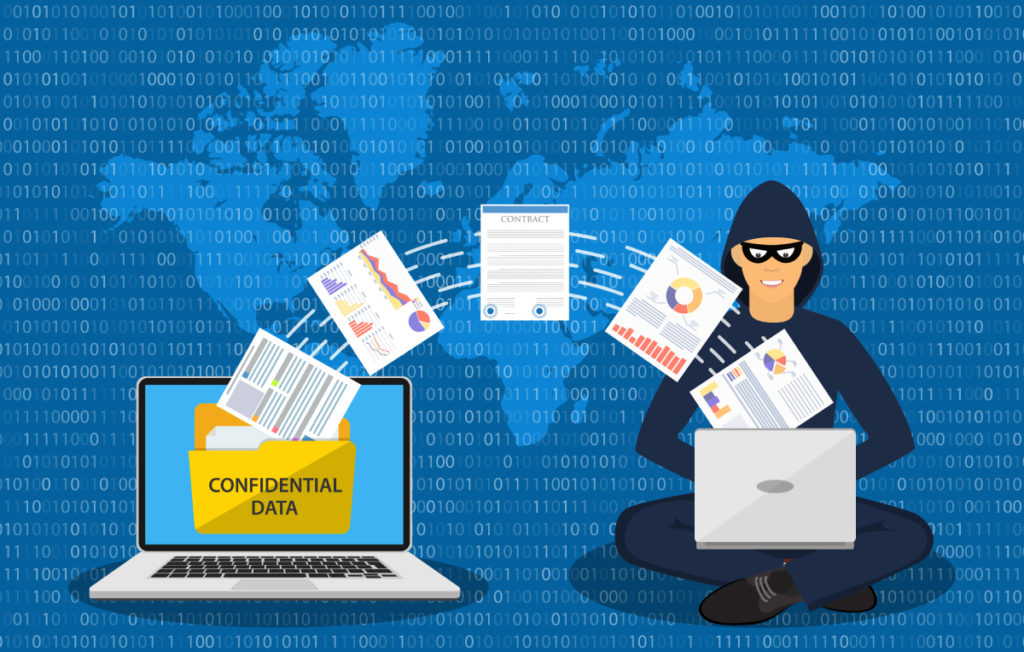
Securing Email and Online Credentials Post-Breach
Many hacks start with stolen email credentials, granting criminals access to broker accounts through password resets or linked verification systems. Changing your email password instantly, preferably from a clean device, is crucial. Investing in a password manager enhances security by generating unique, complex passwords for every account. Among security measures, multi-factor authentication (MFA) stands out as an effective barrier; platforms like Fidelity and Charles Schwab offer MFA options such as push notifications and biometric verification to restrict unauthorized access.
Review your email’s account recovery settings and verify that no filters or forwarding addresses have been altered—common tactics to keep victims in the dark. Equally, promptly alert your contacts to ignore suspicious communications that could perpetuate the scam. Maintaining up-to-date antivirus software further limits the risk posed by malware infecting devices and facilitating breaches.
Dealing with Device Malware and Phone Number Hijacking
Malware infections on computers or smartphones are stealthy enablers for unauthorized access to trading accounts. If unusual ads appear or device performance deteriorates, immediate use of reputable antivirus tools is warranted. When threats like ransomware arise, professional IT intervention becomes necessary to remove the malware and recover encrypted files. Equally vital is updating software regularly, as security patches often fix vulnerabilities that hackers exploit. Following device sanitization, changing all online account passwords from uncompromised hardware is non-negotiable.
Phone number hijacking, through fraudulent porting, poses additional risks especially where banks and trading platforms use SMS-based authentication. Investors must contact their mobile carriers and financial institutions immediately upon suspecting such fraud to add layers of security such as port-out passcodes. This proactive step limits attackers’ ability to intercept one-time passcodes and access multiple accounts.
Partnering with Your Broker for Recovery and Prevention
Communication with your brokerage is the cornerstone of recovery after an account hack. Trusted brokers such as Robinhood, Interactive Brokers, and TD Ameritrade provide specific protocols to close or secure accounts quickly, guiding investors through the reclamation process. Moreover, establishing a trusted contact within your account settings adds a safety net; this person is notified if there are signs of fraud or if you become unreachable, enhancing asset protection without granting account control.
Financial advisors affiliated with institutions like Merrill Edge or Vanguard can also offer identity and credit protection services, including assistance through programs modeled on Experian’s monitoring tools. Incorporating such offerings into your fraud protection strategy markedly strengthens your defense against identity theft and financial scams.
