

Brokerage promotions and bonuses have emerged as key incentives shaping trader engagement and capital infusion in today’s financial markets. These offers, ranging from welcome bonuses to cashback schemes, influence not only the decision to join a trading platform but also the strategies employed by traders to capitalize on additional resources. However, beneath the appealing façade of augmented capital lies a complex web of terms, conditions, and potential risks that require careful navigation.
Understanding the various forms of bonuses, their eligibility criteria, and the fine print governing their use is crucial for traders to harness their full potential while avoiding pitfalls. Leading platforms like eToro, IG, and Plus500 regularly offer such promotions, reflecting the competitive landscape of brokerage services in 2025. As the industry adapts to regulatory scrutiny and technological advances, the nature of these bonuses is evolving, demanding that traders stay informed and strategic to optimize benefits in a dynamic environment.
In brief: Brokerage bonuses act as powerful motivators enhancing trading capacity but come with detailed terms that critically affect their value. Awareness of the legal, financial, and operational nuances underlying these incentives can safeguard traders against unwarranted risks. Platforms differ significantly in their bonus structures and conditions, necessitating thorough comparison and alignment with individual trading goals. The integration of emerging technologies and tightened regulations signal a future where personalized and transparent bonuses will become the standard, further shaping trader-broker relationships.
Comprehensive Insights into Trading Broker Bonuses in 2025
Trading bonuses offered by brokers serve as strategic tools designed to bolster both client acquisition and retention. These incentives vary widely, from deposit match bonuses that supplement traders’ capital, to no-deposit bonuses that afford risk-free entry points into trading platforms. Each type aims to elevate engagement by offering additional financial resources or rewards tailored to traders’ behavior.
However, the allure of increased capital must be weighed against the often stringent criteria that regulate bonus eligibility. For example, brokers such as XM and Forex.com typically require traders to meet minimum trading volume thresholds or adhere to specific time-bound conditions before bonuses can be withdrawn. Ignoring these conditions can lead to forfeiture or delays, dampening the anticipated benefits.
In 2025, understanding these mechanisms is vital, as regulatory authorities continue to emphasize transparency and consumer protection. Rigorous verification processes and clear contractual disclosures are now standard, mitigating fraudulent exploitation often seen in earlier years. This shift compellingly positions well-informed traders to leverage bonuses effectively as part of a comprehensive trading strategy rather than mere marketing gimmicks.

Types of Brokerage Bonuses and Their Strategic Implications
Not all bonuses are created equal, with each catering to different trader profiles and objectives. Deposit bonuses, for instance, provide immediate capital boosts but come bundled with high turnover requirements that necessitate active and sustained trading.
On the other hand, no-deposit bonuses, frequently offered by platforms like Pepperstone and OANDA, serve as risk-free trials, allowing traders to test the waters before committing funds. These offer flexibility but tend to be modest in value with strict withdrawal conditions to prevent abuse.
Cashback and loyalty programs reward ongoing participation, providing a steady stream of incentives that align with trading frequency but may encourage excessive trading if not managed carefully.
Trading contests emerge as a gamified element, stimulating competition and higher engagement, particularly among seasoned traders. Recognizing the different incentives helps in matching bonus types to individual trading philosophies and risk appetites.
Key Criteria to Qualify for and Unlock Trading Bonuses
Unlocking trading bonuses often involves multifaceted criteria encompassing registration completeness, deposit thresholds, and trading activity requirements. The necessity for comprehensive account verification is paramount; partial registration frequently precludes access to promotions, a safeguard against fraudulent applications.
Trading volume requirements are arguably the most pivotal condition, ensuring that bonuses reward genuine trading rather than superficial activity. For example, a broker may require a volume equivalent to 20 times the bonus amount before permitting withdrawal.
Time constraints further complicate eligibility, with many bonuses requiring activation within a narrow window post-registration. This demands prompt action from traders and underscores the importance of meticulous review prior to acceptance.
Such meticulous conditions, while seemingly onerous, maintain the integrity of brokerage promotional ecosystems and protect both parties from misuse.
Factors Influencing the Real Value of Brokerage Bonuses
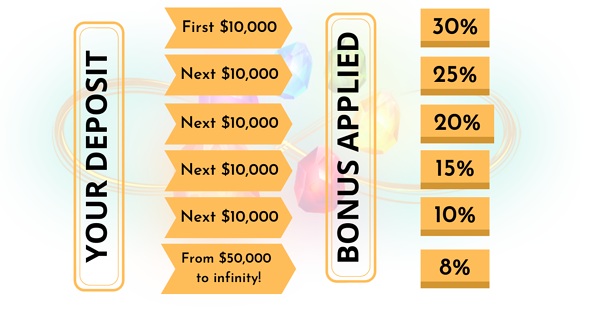
The apparent generosity of a bonus can be deceptive; its genuine utility hinges on several nuanced factors. The scale of the bonus matters, but its strict trading volume stipulations can dilute the benefit if unsustainable for the trader’s typical style.
Withdrawal policies present another critical consideration. Certain brokers impose extended freeze periods or partial withdrawal restrictions that can limit accessibility to bonus-derived funds and associated profits.
The competitive environment in which a platform operates, exemplified by brokers like AvaTrade and FP Markets, also impacts bonus attractiveness when combined with favorable spreads and commission structures.
Trustworthiness and transparency remain overarching determinants, as only reputed brokers offering clear terms can be relied upon for genuinely advantageous bonuses.
