
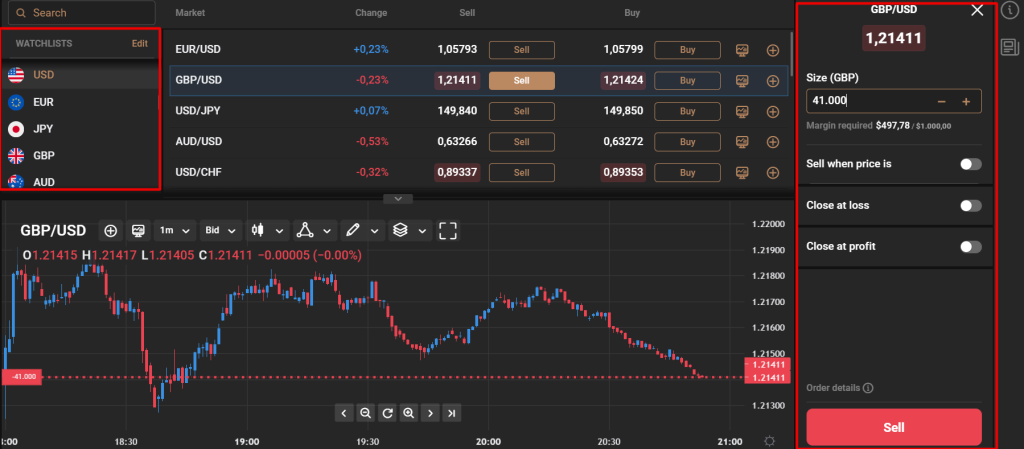
Using a broker demo account is an indispensable step for traders aiming to hone their skills without financial exposure. These platforms recreate live market environments with virtual funds, offering a risk-free playground for both newcomers to grasp trading mechanics and seasoned traders to refine or test new strategies. As markets evolve rapidly, demo accounts maintain their relevance even in 2025 by delivering real-time data that mirrors live trading scenarios, including the unpredictability of volatility and spread fluctuations. Yet, understanding their nuances is crucial since they do not fully replicate real emotions or execution risks such as slippage or liquidity shortages. Selecting an ideal demo platform—such as MetaTrader or eToro—aligned with one’s trading focus and combining it with realistic practice setups can pave the way to successful live trading transitions.
En bref :
– Demo accounts simulate real market conditions and provide essential practice tools.
– Emotional detachment and lack of slippage in demo trading limit full preparation.
– Transition to live trading requires proven consistency, risk management, and psychological readiness.
– Choosing reputable brokers offering comprehensive demo platforms like Interactive Brokers or IG ensures quality experience.
– Utilizing structured practice such as time-boxed trials and equity caps strengthens strategy validation.
– Advanced traders benefit from running multiple demo terminals concurrently for comparative testing.
– Leveraging cloud-based VPS hosting enhances demo stability, mirroring live conditions closely.
– Researching brokers through reliable sources helps identify platforms suited to individual needs.
Maximizing Your Trading Skills with Broker Demo Accounts in 2025’s Dynamic Markets
Broker demo accounts stand as gateways to mastering trading strategies without risking capital, crucial in today’s fast-paced financial markets. Platforms like MetaTrader 4 and 5 offer extensive environments complete with over 20 timeframes and built-in testers, empowering traders to experiment with complex algorithms or technical indicators using virtual funds. The advantage lies in accessing virtually identical trading conditions to live accounts—real-time price feeds, market volatility, and asset variety spanning forex, stocks, cryptocurrencies, and commodities.
Yet the true strength of demo accounts is not merely familiarity; it is a chance to evaluate a broker’s execution quality and platform responsiveness. For instance, some brokers like IG or Forex.com may throttle demo feeds during peak hours, distorting latency and order flow. Recognizing such quirks through demo trading can prevent costly surprises in live markets. Moreover, brokers such as eToro provide social trading layers where beginners can observe popular investors, blending practice with community insights.
Fundamentally, a demo account functions as a rehearsal stage. Traders can trial different position sizes, employ stop-loss and take-profit orders, or simulate news-driven volatility without financial consequence. Considering that the psychological impact of losing real money is absent, it underscores why demo practice must be coupled with strict self-discipline and risk parameters aligned with planned live capital.

Bridging the Gap: When to Transition from Demo to Live Accounts
Determining the ideal moment to shift from a demo environment to real money trading is critical. Consistent profitability over extended periods with sound risk management indicates readiness. If a trader successfully limits daily drawdowns and performs well amidst diverse market conditions without deviation from their strategy, the transition may be warranted. Yet, emotional control remains the largest hurdle; real funds provoke fear and greed, leading to impulsive decisions rarely captured within demo accounts.
Experienced traders often begin live trading with micro-lots, reducing exposure as they adapt psychologically. This gradual approach minimizes the shock to trading psychology, bridging demo confidence with real-world discipline. Platforms like ThinkMarkets and Plus500 enable easy scaling and switching between demo and live accounts, supporting this measured journey.
Choosing the Right Demo Account: Aligning Broker Features with Trading Styles
Not all demo accounts are created equal. Selecting a broker that aligns with your instrument preference and trading style is vital. For day traders or scalpers, brokers such as OANDA or AvaTrade provide efficient execution and low latency. Swing traders might prefer the advanced charting and multi-asset options of MetaTrader 5. Meanwhile, investors focusing on U.S. equities and options could gravitate towards TD Ameritrade’s robust paperMoney environment offering Level II data and option chains.
It is also wise to consider brokers’ regulatory status to ensure safe trading environments. Resources explaining regulated broker criteria facilitate this selection and reduce risks associated with market-maker practices. Additionally, some brokers limit demo account duration or instruments; thus, consulting sources like Forex Broker Reviews aids in identifying platforms that provide comprehensive, long-term simulation tools.
Transforming Virtual Profit into Live Trading Success
Many traders fall prey to demo account confidence that does not translate to live success. The absence of real capital risk can induce risk-blind behavior. To temper this, traders should cap demo balances to their planned deposit sizes, mechanically include estimated commissions and swaps, and conduct time-boxed trading cycles that mimic live conditions, like a full earnings season or major economic event span.
Logging every trade and including emotional annotations helps identify behavioural pitfalls, enhancing self-awareness. Advances in infrastructure further support these efforts; using cloud-hosted MetaTrader 4 terminals via providers like Cloudzy ensures stable, low-latency environments. Running multiple terminals side-by-side facilitates A/B testing of strategies or comparison across brokers, sharpening decision-making and strategy resilience.
Enhancing Demo Trading with Technological Solutions for a Seamless Live Experience
Hosting demo platforms on dedicated, low-latency virtual private servers eliminates common disruptions inherent to home networks. Cloudzy, for example, offers geographically strategic nodes near major financial hubs such as London and New York, mimicking the order execution speeds of live accounts. This infrastructure supports continuous testing, including overnight EA runs and stress testing around major news spikes.
Such technology ensures that traders practice in conditions virtually indistinguishable from live trading, onboarding not just strategic skills but operational discipline necessary on real markets. An optimized demo workflow that’s hosted on identical infrastructure to live accounts reduces unexpected execution differences, fostering a smoother transition when real capital is introduced.
Ultimately, integrating disciplined trading plans, realistic demo constraints, and advanced technological support lays the foundation for successful, confident live trading. Exploring broker profiles through comprehensive reviews, such as those available at Top Online Brokers Review, enables traders to align their demo practice with future live trading ambitions effectively.
