In the evolving landscape of financial markets, the significance of thorough broker due diligence cannot be overstated. Investors seeking to navigate platforms such as Fidelity, Charles Schwab, or Robinhood must recognize that selecting a brokerage goes beyond mere fee comparisons or user interface preferences. It involves a meticulous examination of the broker’s compliance with regulatory standards, reputation, financial health, and the robustness of their suitability analysis processes. Such an approach safeguards investors against potential fraud and aligns their portfolio strategies with reliable, transparent service providers.
Broker due diligence demands a multifaceted investigation into areas such as a broker’s licensing and credentials, demonstrated adherence to regulations like FINRA’s Rule 2111, and their ability to effectively supervise trading activity. Platforms including Interactive Brokers and Merrill Edge exemplify the integration of rigorous due diligence processes that help clients mitigate risks associated with private placements and complex securities. This investigative rigor becomes especially crucial when brokers are involved in Regulation D offerings, requiring a balanced scrutiny of issuer characteristics and offering specifics.
Moreover, understanding and verifying the account verification protocols implemented by brokers such as TD Ameritrade and Vanguard can prevent identity fraud and ensure compliance with KYC norms. Investor vigilance against broker scams is another critical factor, where detailed due diligence serves as the first line of defense in securing investments. Overall, the confluence of regulatory insight, operational evaluation, and technology-driven security practices frames the modern blueprint for discerning a broker’s trustworthiness and suitability.
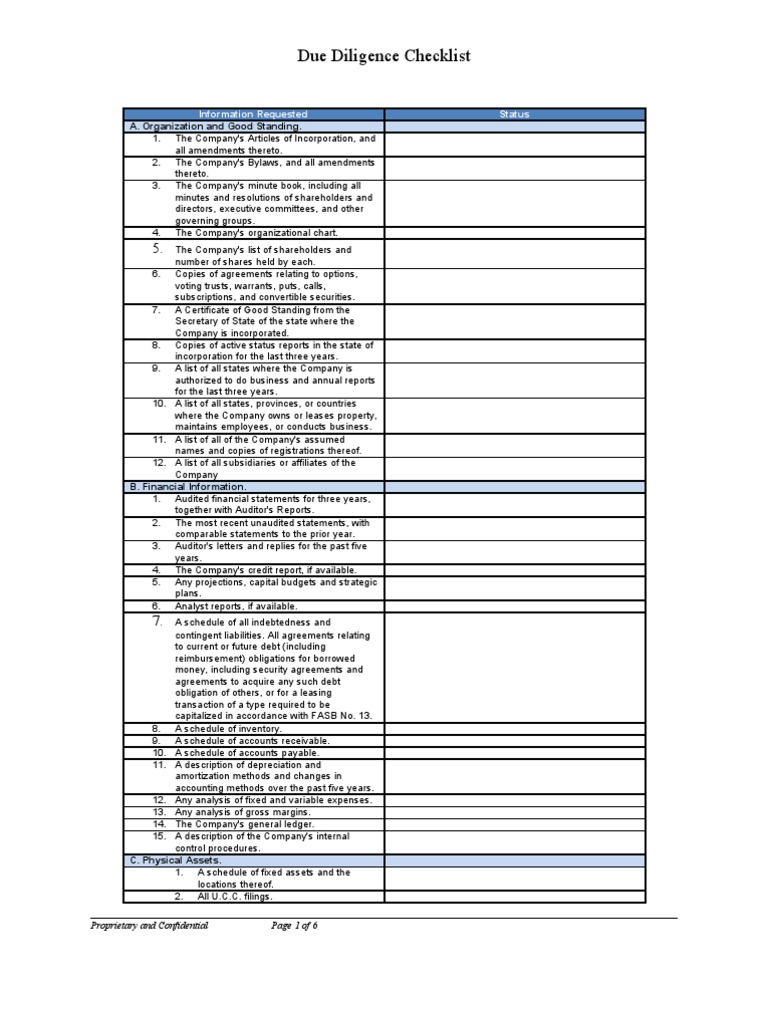
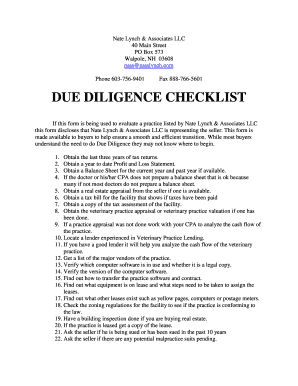
The accelerating dynamics of the capital markets necessitate that investors harness comprehensive due diligence checklists that encapsulate financial, legal, and operational inquiries. Leveraging expert advice and cross-referencing broker reputations through reliable review platforms harmonizes the investor’s journey toward a secure and efficient brokerage partnership.
Comprehensive Regulatory Compliance: The Backbone of Broker Due Diligence
Regulatory frameworks form the bedrock of broker due diligence, with securities law and FINRA regulations mandating explicit obligations for broker-dealers. Critical regulatory pillars include the Securities Act of 1933’s antifraud provisions, and FINRA Rules 2010 on standards of commercial honor and 2111 pertaining to suitability. Brokerages like JP Morgan Chase and Ally Invest are typically distinguished by robust compliance protocols that align their offering reviews and supervisory processes with these mandates.
The duty to conduct a reasonable investigation is non-negotiable. It requires brokers to evaluate the issuer’s organizational documents, financial disclosures, management qualifications, and potential risks. This scrutiny effectively safeguards investor interests, especially when dealing with Regulation D securities, where conventional registration exemptions heighten the importance of detailed scrutiny.
Fidelity’s due diligence approach emphasizes the integration of technological tools to flag anomalies and support compliance teams in ongoing monitoring. This proactive stance exemplifies the evolving standards brokers must uphold to remain compliant and trustworthy.
Identifying Red Flags: Ensuring Investor Protections Through Vigilant Review
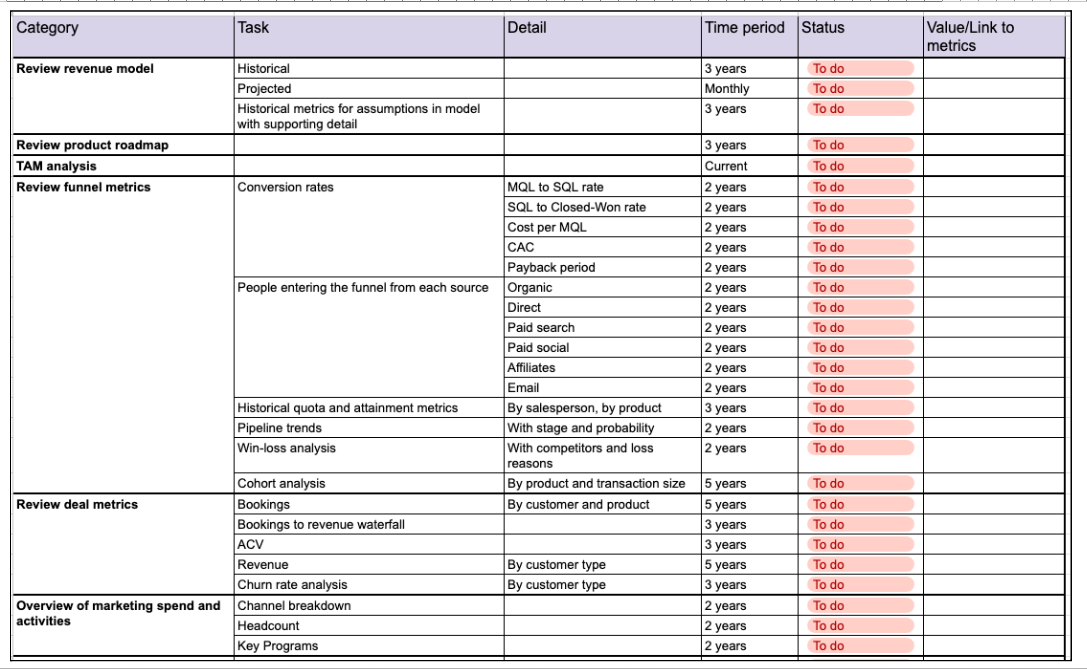
Recognizing warning signs during broker due diligence sets the threshold for protective investor conduct. Discrepancies such as incomplete financial statements, speculative revenue projections, or reluctance to disclose full private placement memorandums signal potential risks. Platforms from E*TRADE to Vanguard stress the importance of independent corroboration beyond issuer representations to mitigate fraud exposures effectively.
Broker-dealers should also critically assess the broker’s affiliations, past litigation or regulatory history, and their compensation models that might influence conflicts of interest. Such scrutiny aligns with broader risk management strategies and fulfills compliance expectations outlined in FINRA’s supervisory rules.
Tailoring Due Diligence to Investor Suitability: Beyond Accreditation
Due diligence transcends verifying a broker’s credentials; it must also encompass how recommendations align with investor profiles. The distinction between reasonable basis suitability and customer-specific suitability defines this responsibility. Accredited investor status does not automatically guarantee an offering’s appropriateness; understanding investors’ risk tolerance, income, and liquidity needs informs suitability judgments.
Platforms like Robinhood and Merrill Edge incorporate sophisticated profiling tools that support brokers in meeting these suitability requirements. Their ability to match investment opportunities with client circumstances helps avert unsuitable recommendations and potential regulatory infractions.
Documenting and Supervising the Due Diligence Process
Maintaining comprehensive records is vital. Documentation should encompass due diligence memos, client communications, detailed financial and legal document reviews, and logs of any red flags and their resolution. Such evidence supports supervisory systems that brokers implement under FINRA Rule 3110, ensuring adherence to both diligence procedures and suitability obligations.
Charles Schwab’s disciplined record-keeping policies illustrate how trusted brokers maintain transparency and accountability, reinforcing their reliability in the marketplace. Supervision extends beyond initial due diligence to continuous oversight, adapting to evolving regulatory demands and market conditions.