
As Clermont-Ferrand approaches its 2026 municipal elections, the city’s future hinges on pivotal choices in environmental policy, economic vitality, and cultural enrichment. The competing municipal candidates present a tapestry of ambitions centered around sustainable development, aiming to balance progressive urban planning with the preservation of local commerce and the promotion of vibrant cultural events. With a clear division in how public services and community engagement are envisioned, voters face distinct options that could redefine Clermont-Ferrand’s identity and growth trajectory for the years to come.
Key Insights:
- Strong emphasis on environmental policy by most candidates, underscoring a shift toward sustainability in urban development.
- Local commerce revitalization is prioritized to bolster economic growth within Clermont-Ferrand.
- Cultural events emerge as essential tools for community engagement and identity reinforcement.
- Disparate visions on public services highlight the range of municipal candidates’ platforms and their approach to urban challenges.
- Debates around urban planning reflect the tension between heritage conservation and modernization.
Environmental Policy and Urban Planning: Redefining Clermont-Ferrand’s Landscape
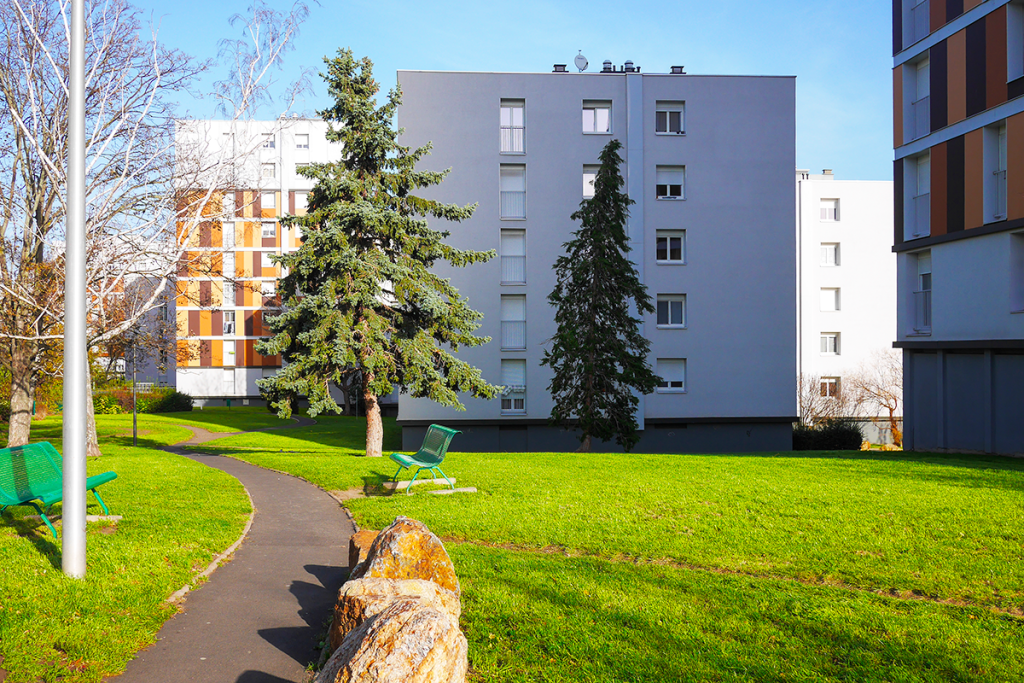
The candidates’ platforms reveal a clear consensus on the necessity of robust environmental policy, although approaches vary in scope and urgency. A shared commitment to sustainable development aims to reduce the city’s carbon footprint through innovative urban planning initiatives. For instance, plans to enhance green spaces and promote eco-friendly public transport signal recognition of environmental concerns as pivotal to the municipality’s future.
Yet divergence surfaces in implementation strategies. One candidate champions aggressive pedestrian zones and cycling infrastructure expansion, arguing it would not only foster a cleaner environment but also invigorate local commerce by increasing foot traffic. Conversely, another candidate emphasizes modernization of existing public services such as waste management and renewable energy integration within municipal buildings, citing long-term economic benefits linked to energy efficiency.
This tug-of-war between immediate lifestyle changes and infrastructural upgrades underscores the complex challenge of aligning environmental priorities with urban growth. Ultimately, Clermont-Ferrand’s electorate will judge which vision effectively balances ecological responsibility with vibrant urban dynamics.
Driving Economic Growth Through Local Commerce Enhancements
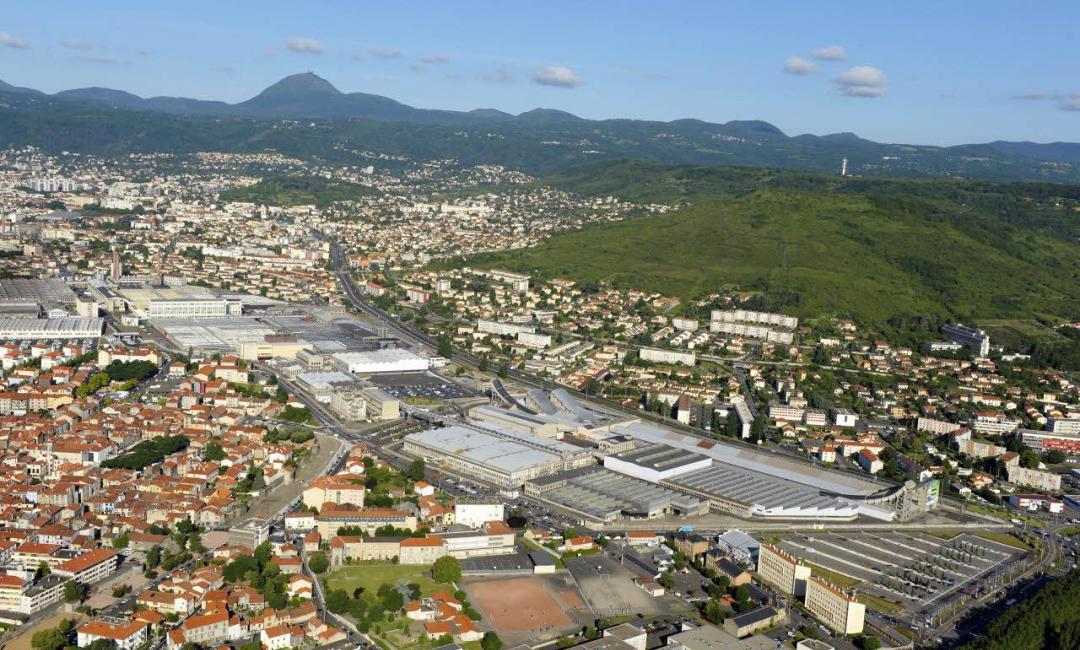
The push for reviving local commerce permeates candidate agendas, positioned as a cornerstone of economic growth. The varied programs suggest a nuanced understanding of Clermont-Ferrand’s unique economic fabric, emphasizing support for small businesses, markets, and artisan shops. Candidates propose targeted incentives, such as tax reliefs and financial grants, designed to stimulate entrepreneurship and preserve the city’s commercial diversity.
Community engagement emerges as a critical lever here, with proposals to foster greater collaboration between municipal authorities and business owners, facilitating adaptive strategies in response to shifting market demands. For example, one candidate highlights the creation of a ‘Commerce Task Force’ dedicated to analyzing consumer trends and tailoring municipal support accordingly. This approach aims to sustain the vibrancy of daily life while anchoring the city’s resilience amid global economic uncertainties.
However, concerns about gentrification are raised by critics wary of progressive commercial policies inadvertently sidelining smaller enterprises. The debate reveals the intricate balance required to ensure that economic growth through local commerce remains inclusive and beneficial to all strata of Clermont-Ferrand society.
Cultural Events as Catalysts for Community Engagement and Identity
Beyond environmental and economic commitments, cultural events receive prominent attention in candidates’ plans as essential to fostering a cohesive community spirit. These initiatives are viewed as conduits for not only entertainment but also intercultural dialogue and heritage preservation within Clermont-Ferrand.
Candidates propose a diverse slate of cultural programming, ranging from expanded festivals celebrating local artists to the integration of digital arts and international collaborations. One municipal hopeful envisions establishing a ‘Cultural Innovation Hub’ aimed at nurturing emerging creative talents and increasing accessibility for residents across age groups and backgrounds. Such efforts align with broader goals to position Clermont-Ferrand as a dynamic cultural destination, attracting visitors and stimulating creative industries.
The ambitious layering of cultural and economic strategies reveals an understanding that cultural vitality directly influences economic growth and quality of life. The debate around funding allocation for cultural versus essential public services highlights the challenge of prioritizing resources in a balanced municipal strategy.
