
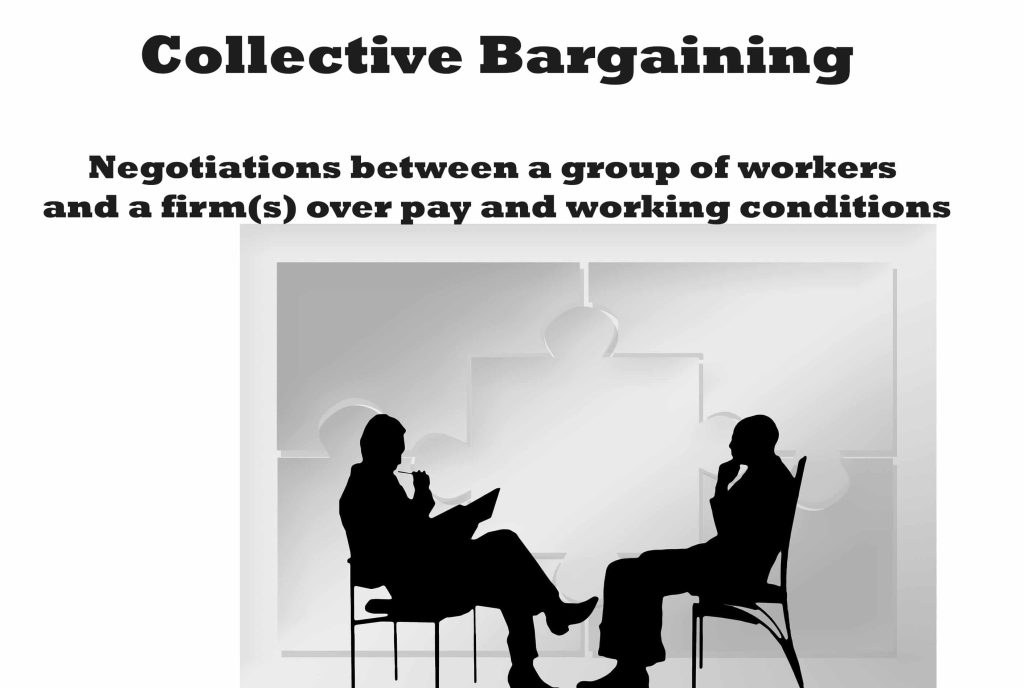
The 2024 Collective Bargaining Report reveals that social dialogue remains a vital engine sustaining progress in workplace relations amid evolving economic uncertainties. Despite a slight decline compared to previous peaks, negotiations at branch and enterprise levels continue their upward trajectory seen over the past decade, reflecting resilience under pressure. Key developments include the signing of significant interprofessional agreements promoting employment of experienced workers and enhancing social dialogue frameworks. The dynamics of labor negotiations in 2024 underscore the complexity of balancing wage adjustments with structural reforms, highlighting the essential role of trade unions and government mediation in advancing worker rights and fair employment agreements.
In brief:
- The 2024 report reflects a minor dip in negotiation volumes yet retains its strong forward momentum in social dialogue mechanisms.
- Interprofessional agreements in 2024 focused on experienced workers’ employment and the evolution of social dialogue.
- Branch-level negotiations saw 1,031 agreements, with wage discussions constituting nearly one-third of the content.
- Enterprise-level agreements slightly decreased but showcased growth in salary, bonus, and work-time related negotiations.
- Government support through dialogue facilitation and speedy agreement extensions remains crucial.
Strengthening Collective Bargaining and Social Dialogue Amid Economic Uncertainty
In a landscape marked by economic fluctuations, the sustained vibrancy of social dialogue reflects a concerted effort by stakeholders to navigate challenges collaboratively. The 2024 landscape saw collective bargaining processes maintaining volume close to entrenched norms, despite a mild cooling compared to previous years. At the governmental level, interventions—such as ministerial chairing of 61 branch negotiations and targeted mediation during impasses—have underscored the ongoing commitment to preserving structured discussions. This stability is critical given the pervasive pressures in global and local labor markets, where evolving demands call for adaptive and inclusive dialogue mechanisms.
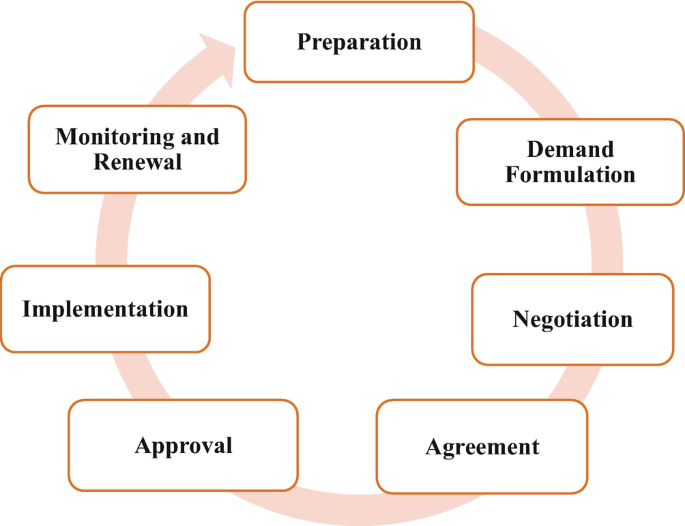
Interprofessional and Branch-Level Labor Negotiations: Key Themes and Trends
The interprofessional domain, while witnessing a retreat from 15 agreements in 2023 to 11 in 2024, remains a dynamic arena. Notably, the signature of two pivotal national interprofessional agreements in November 2024 played a transformative role: one securing employment pathways for senior employees, and the other advancing dialogue structures. Simultaneously, branch negotiations concluded 1,031 agreements in 2024, over 30% of which targeted salary reforms. This slight downward trend owes to the late adjustment to minimum wage legislation and standardization of pay scales in industries like metallurgy, resulting in the disappearance of infranational wage accords. These nuanced shifts reinforce the intricate balance of ensuring equitable pay while adapting to regulatory frameworks.
Enterprise-Level Negotiations Reflect Evolving Priorities in Workplace Relations
Enterprise negotiations resulted in 81,380 agreements and amendments in 2024, marking a 4.2% decline compared to the previous year. This adjustment primarily reflects a normalization following the surge in agreements related to union rights and personnel representation in 2023, a year of intense social restructuring. Yet, negotiations on wage increases and bonus frameworks grew by 4.3%, while agreements addressing working hours rose by nearly 6.5%, equalling the volume of salary-related accords. Of particular note is the 8.5% surge in deals concerning employee savings plans, signaling a shift toward long-term benefits and financial security for workers. These developments showcase how trade unions and employers are negotiating on multifaceted workplace issues beyond wages alone, ensuring comprehensive welfare for employees.
Government Facilitation and the Vital Role of Support Mechanisms in Social Dialogue
The state’s facilitative role in 2024, including support programs developed with agencies like Anact and Afpa, is critical in underpinning effective social dialogue. Available resources help enterprises and employee representatives grasp legal frameworks, receive tailored training, and implement practical dialogue strategies. The extension of agreements has been prompt, with 890 extension requests and 818 agreements effectively extended within a median timeframe of 96 days—or 48 days in accelerated salary procedures—helping maintain momentum. Moreover, ministerial involvement in joint commissions during negotiation blockages exemplifies the state’s proactive mediation efforts, crucial in reinforcing trust and ensuring continuity within collective agreements.
The persistent endeavor to nurture negotiation momentum amidst fluctuating labor market trends and social demands verifies the strategic importance of dialogue frameworks in safeguarding and advancing worker rights. The intricate interplay of negotiations across interprofessional, branch, and enterprise levels, buttressed by government support, shapes a more robust and adaptable labor relations environment, equipping all actors to face future challenges.
For deeper insights into ongoing labor movements and challenges to workers’ rights, explore coverage of events such as the Krampouz employees strike and perspectives on independent nurses’ pay.
