
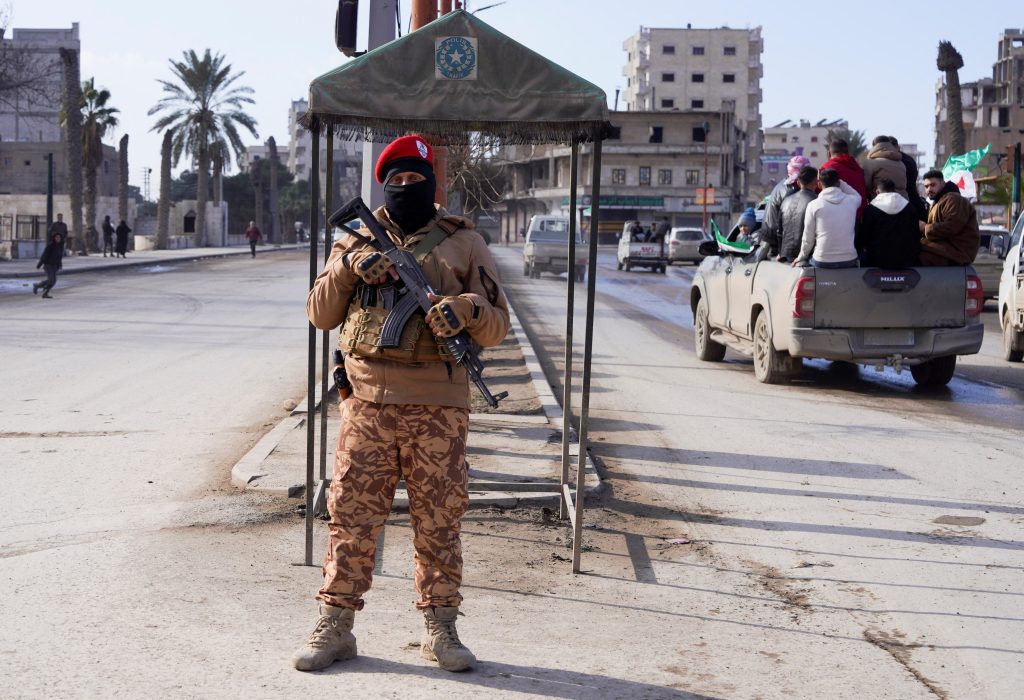
In a critical geopolitical shift unfolding in 2026, Damascus has decisively moved to reassert control over the Kurdish-held regions in northeastern Syria. This maneuver is characterized by a calculated interplay of force and diplomacy, reflecting the complex politics of the Middle East, where local power struggles intertwine with international interests. Under the leadership of President Ahmed El-Charaa, the Syrian government has combined territorial advances against the Kurdish-dominated Syrian Democratic Forces (SDF) with political gestures recognizing the Kurds, creating a new dynamic that challenges previous stalemates.
The strategy was not executed in isolation; it enjoyed tacit approval from the United States, which influenced the Kurds towards a deal with Damascus as part of a broader effort to stabilize the region and counterbalance Turkish military ambitions. The agreement involves a ceasefire and a promise by Damascus to deploy governmental authority over three key northeastern governorates: Deir Ez-Zor, Hassaké, and Raqqa. By negotiating with SDF commander Mazloum Abdi, Damascus not only expands its territorial sovereignty but also integrates the Kurds into Syria’s national framework, redefining power relations long fractured by years of conflict.
How Damascus Combines Force and Diplomacy to Reclaim Kurdish Regions
After months of political deadlock over Kurdish autonomy, Syria’s interim president has reoriented strategy towards a pragmatic blend of military action and diplomatic negotiation. Beginning with swift military operations to dislodge Kurdish fighters from strategic areas of Aleppo, the government then extended its offensive into SDF-controlled territories in the northeast, securing decisive territorial gains. These actions were synchronized with a diplomatic outreach—culminating in a ceasefire and official political recognition of the Kurdish community’s role within the Syrian state.
This dual approach sends a clear message about Damascus’s approach to restoring sovereignty: military might enforced through carefully staged diplomacy. It reflects a nuanced understanding of the region’s fractured mosaic, where hard power alone cannot secure lasting control. The integration of Kurdish forces into official state structures signals an effort to transform opposition into cooperation, albeit within Damascus’s dominant framework.
The Role of International Politics in Shaping the Kurdish-Damascus Agreement
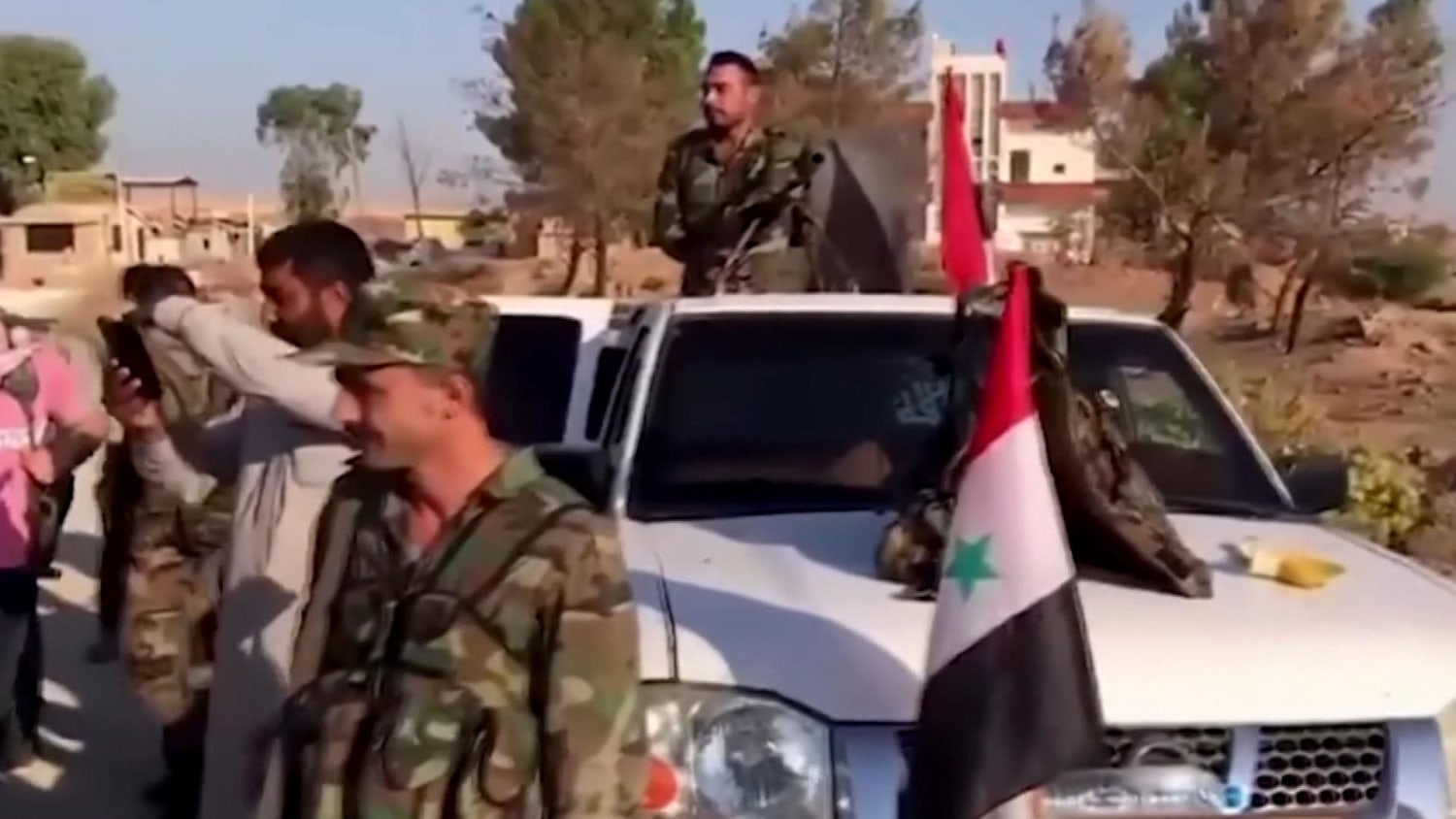
International actors have played subtle but crucial roles in shaping the evolving power dynamics. The United States, seeking to reduce direct confrontation with Turkey while maintaining influence over Kurdish forces, nudged the SDF towards negotiation with Damascus. The presence of American mediators such as envoy Tom Barrack underscores how global politics intersect with local conflicts.
Meanwhile, this deal complicates traditional alliances in the Middle East. By marginalizing other Kurdish factions and sidelining Iranian-backed groups, the agreement reconfigures regional balances of power. It suggests a tentative but impactful shift where Damascus asserts renewed dominance, not only militarily but politically within the broader Kurdish issue that has long challenged Syrian sovereignty.
Implications of Damascus’s Kurdish Policy for Middle East Stability
The integration of Kurdish regions into Syria’s state architecture could herald improved governance and stability in areas long marked by fragmentation and conflict. However, tensions remain fragile. Disputes over the merging of Kurdish-led militias with national forces persist, highlighting the persistent challenges of aligning divergent military and political interests.
Damascus’s approach exemplifies the enduring clash between centralized authority and ethnic minority aspirations. As the government asserts control, the Kurdish community faces significant compromises on autonomy, raising questions about future regional autonomy movements and their capacity to influence or resist centralized power structures.
