
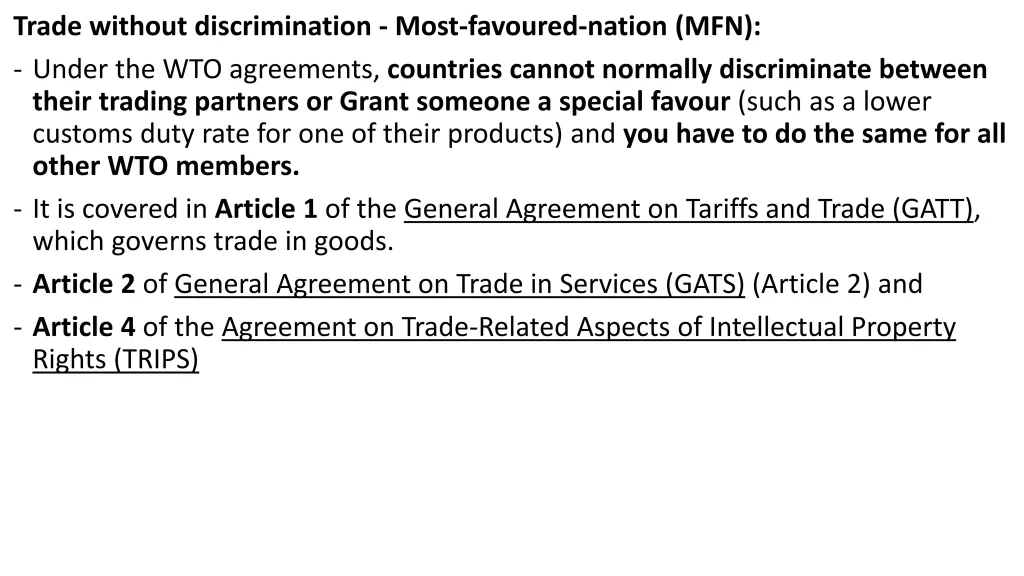
The 2026 trade negotiations are poised to redefine key principles underpinning global commerce, stirring debates around the future of the Most Favored Nation (MFN) principle. Amidst shifting geopolitical landscapes and evolving economic alliances, questions arise on whether this cornerstone of international trade will be scaled back or preserved. As protective tariffs, trade restrictions, and complex negotiation strategies reshape trade agreements, the MFN principle’s traditional role faces unprecedented scrutiny. Its premise—to ensure non-discriminatory tariff treatment among trade partners—clashes with emerging regional blocs and bilateral deals, revealing fractures in the global trade fabric.
Simultaneously, industries such as agriculture face direct consequences from these overarching trade policies. The French dairy sector, spotlighted at the 2026 International Agriculture Salon, exemplifies the impact of trade rules on domestic markets. The Fédération Nationale des Producteurs de Lait (FNPL) has taken a firm stand on preserving French agricultural interests amid pressures from multinational industrial frontrunners and evolving trade agreements. The FNPL’s critiques on inadequate penalties for breaches in trade commitments and reluctance to fully value domestic production expose tensions between global trade norms and local economic realities.
Trade restrictions, while serving protective purposes, are also redefining negotiation dynamics. The FNPL’s advocacy for clear labeling like “collected and processed in France” highlights how trade agreements increasingly intertwine with consumer transparency and market identity—a development affecting tariff applications and global trade strategies alike.
Understanding these multifaceted challenges requires a nuanced grasp of how the MFN principle currently functions and how it may evolve within the 2026 trade negotiation context. The principle’s potential reduction reflects broader trends toward trade diversification and regionalization, but also risks fragmenting the global trade system, impacting fairness and predictability.
The Evolution of the Most Favored Nation Principle Amid 2026 Trade Policy Reforms
The Most Favored Nation (MFN) clause, once the bedrock of global trade rules, ensures that countries extend identical tariffs and benefits to all their trading partners. This principle is intended to prevent discrimination and facilitate smooth international trade by maintaining a level playing field. However, 2026 negotiations confront the principle with mounting challenges from bilateral and regional free trade agreements that complicate uniform tariff application.
The European Union’s recent push to reform WTO rules signals a potential departure from strict MFN adherence, allowing more tailored trade strategies favoring regional economic interests. This proposal creates tension between preserving nondiscriminatory trade policy frameworks and adapting to dynamic market realities. The reform advocates argue that rigid MFN obligations hinder countries’ abilities to devise effective negotiation strategies reflective of their unique economic structures and supply chains.
Such shifts signal a complex balancing act: scaling down the MFN principle to grant flexibility without undermining the predictability crucial for businesses and investors. This recalibration affects industries heavily dependent on open markets and stable trade agreements. Stakeholders in sectors like pharmaceuticals and agriculture monitor these debates closely, recognizing their influence on trade portfolio strategies and risk management.
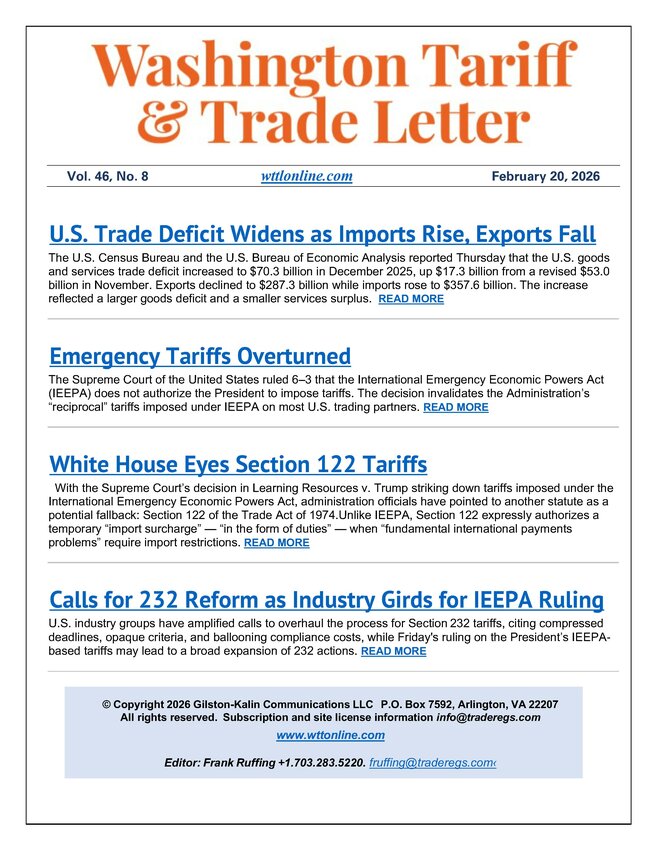
Trade Negotiations Impact on Agriculture: Lessons from the French Dairy Sector
2026 has underscored how trade agreements and the MFN principle directly influence commodity markets and national producers. The FNPL’s statements during the International Agriculture Salon reflect the friction between global trade expectations and localized economic pressures. They reject proposals from countries like Romania and Hungary to reduce production volumes, arguing that France’s measured 4% increase in milk collection over two decades contrasts sharply with larger surges in countries like Poland and Ireland.
The FNPL also stresses the importance of maintaining value within France, criticizing industrial players for investing profits abroad instead of supporting domestic processing capabilities. This dynamic reveals how trade restrictions and negotiation outcomes resonate beyond tariff walls, affecting the very fabric of national industries.
Moreover, the FNPL’s demands for an origin label—“collected and processed in France”—speak to a growing trend where trade agreements intersect with consumer rights and market transparency. Such measures could influence how tariffs and trade rules are applied, potentially prioritizing national production identities in international commerce.
Negotiation Strategies and Global Trade Rules: Navigating a Shifting Environment
The reduced efficacy of the MFN principle casts a spotlight on the strategic complexities nations face in the current trade environment. Countries seek to leverage their bargaining power by employing negotiation strategies that emphasize preferential trade agreements and sector-specific concessions. This evolution challenges the foundational ideals of trade agreements which historically emphasized uniform treatment.
In this maze of reform proposals and industry pressures, businesses and governments must adapt. They need to innovate their approaches to comply with evolving global standards while capitalizing on emerging opportunities. This calls for refined portfolio management techniques and acute awareness of tariff implications within new trade frameworks. Professionals and stakeholders benefit from tailored guidance on trading portfolio tips adapted to these shifting global trade rules.
The future of the MFN principle lies at the intersection of national interests and global cooperation. Whether 2026 becomes a year of significant reduction or pragmatic adaptation in the MFN principle remains to be seen. However, the ongoing discourse highlights an undeniable transition toward a more fragmented and complex trade architecture, demanding evolved policies and negotiation dexterity.
