
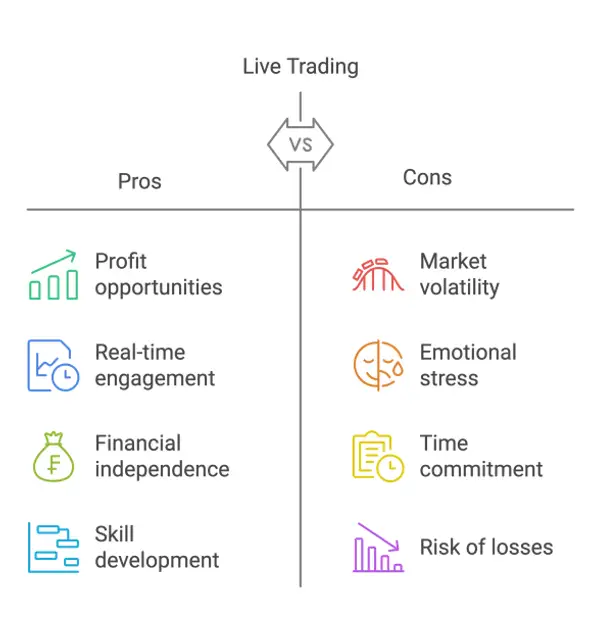
Before diving into live trading, securing proper funding is not just a procedural step, but a strategic foundation that defines the trajectory of any trader’s success. In a landscape where platforms like Interactive Brokers and TD Ameritrade offer vast opportunities, the way capital is introduced to an account dramatically influences trading flexibility, risk management, and ultimately, profitability. Adequate funding aligns with a trader’s plan, risk appetite, and market ambitions, ensuring that capital constraints do not restrict strategic decisions. As the financial ecosystem evolves, discerning traders now weigh options meticulously—considering fees, processing times, and security measures—to optimize their entry into live markets. The choice of broker, whether a mainstream provider like E*TRADE or niche international platforms reviewed at Broker Vista, further complicates this decision, demanding insight into funding policies and platform compatibility.
In brief: Proper funding is crucial to execute trading strategies without capital restrictions; selecting a regulated and compatible broker is imperative; funding methods vary in speed, security, and fees; cryptocurrency deposits introduce new dynamics; proactive fund management prevents overexposure; unregulated platforms and hidden fees pose significant risks; leading brokers such as Fidelity Investments and Charles Schwab influence funding experiences drastically.
Ensuring Optimal Funding Strategies for Live Trading Accounts
Capitalizing on live trading requires more than just financial input—it demands a thoughtful approach to funding. Traders frequently encounter pivotal decisions when selecting between platforms like Robinhood, IG Group, or TradeStation. Each broker presents unique deposit procedures and funding options, from traditional bank transfers to modern e-wallets and crypto deposits. Recognizing the distinctions in transaction fees and speed is essential. For instance, bank transfers, commonly trusted for their reliability, might entail longer clearing times, potentially hampering timely trade executions. Conversely, credit and debit card deposits offer immediate funding but can attract higher fees—an important consideration for traders balancing speed against cost.
Subsequent to the choice of broker and funding method, understanding minimum deposit requirements sharpens alignment with personal trading goals. Many platforms enforce thresholds that, if overlooked, could impede swift market engagement. Additionally, the security protocols marshaled by brokers such as Saxo Bank and CMC Markets protect sensitive banking information, augmenting trustworthiness in an era where data breaches are a growing concern.
Innovations and Risks in Cryptocurrency Funding
The rise of cryptocurrency as a funding conduit redefines conventional paradigms. As markets modernize, funding live accounts with digital assets like Bitcoin or Ethereum serves traders seeking rapid and low-cost international transfers. Platforms like Binance and Coinbase facilitate seamless crypto-to-fiat conversions integrated into trading workflows. However, the volatility of cryptocurrencies introduces a new risk vector, threatening to destabilize account values even before a trade is executed. Furthermore, not all brokers in the traditional realm accept crypto deposits, delimiting choices to specialized platforms that can handle such transactions securely and transparently.
Despite these risks, skilled proponents argue that cryptocurrency funding is instrumental in enhancing market accessibility, particularly within emerging economies where traditional banking infrastructure is less reliable. Approaching this method with a robust understanding of blockchain mechanics and market behaviors can translate into tangible advantages for those prepared to navigate its complexities.
Evaluating Brokers for Seamless and Secure Funding Experience
Choosing the right broker transcends mere commission rates or market access; it’s intrinsically linked to how the platform manages funding and withdrawals. Established firms like Fidelity Investments and Charles Schwab are renowned for their stringent regulatory compliance and advanced encryption technologies, ensuring both security and operational fluidity. Alternative entities, such as the brokers featured in Broker Vista’s zero commission review, offer cost-effective options but must be scrutinized for regulatory standing.
Beyond security, the flexibility of payment methods provided by brokers defines user experience. International traders, for example, benefit from multiple funding channels—including wire transfers and e-wallets—facilitated by global giants like TD Ameritrade and Saxo Bank. Understanding the nuances of each method, from expected processing times to hidden fees, equips traders with the foresight necessary to avoid surprises that could interrupt strategic trading plans.
The Crucial Role of Risk Management in Fund Allocation
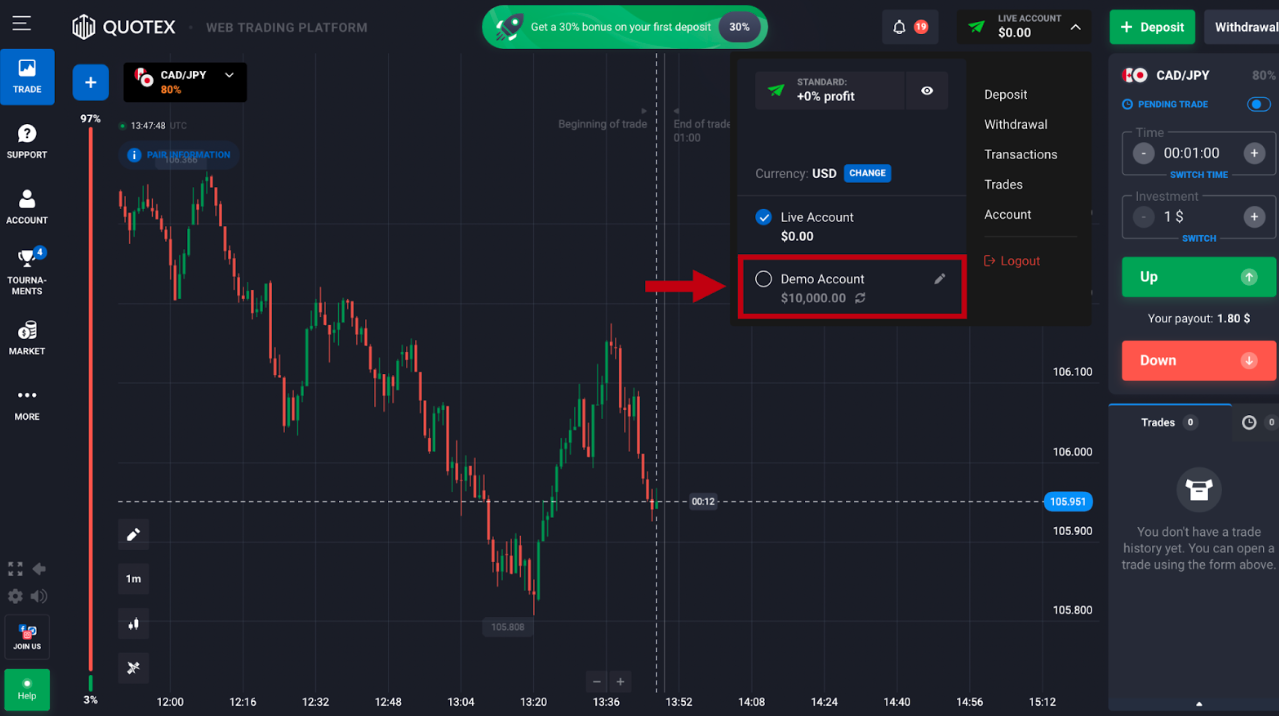
Once funds are secured, the emphasis pivots to how capital is managed within live trading accounts. Overshooting capital requirements often precipitates excessive risk-taking, undermining the trader’s strategy. Instituting rigorous risk management practices—including defined budget limits, stop-loss orders, and diversification of asset exposure—serves as a vital safeguard. Regular account reviews, a routine favored by disciplined traders, reveal performance trends and signal when strategic adjustments are necessary to preserve capital integrity.
