
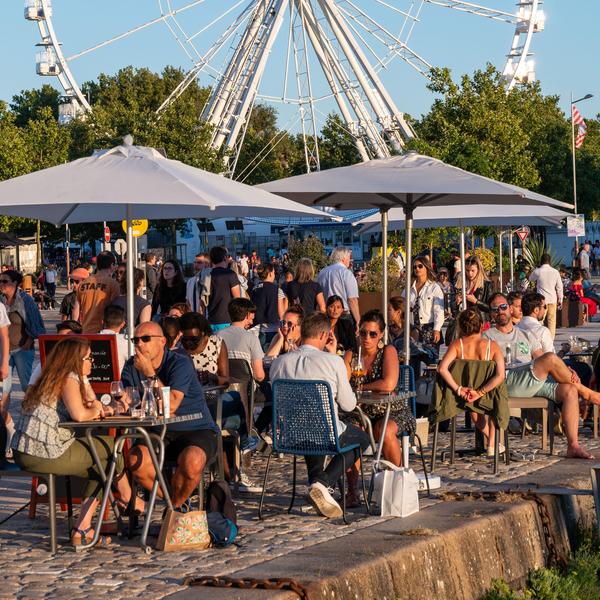
In La Rochelle, the intertwined difficulties plaguing the real estate, retail, and dining sectors continue to signal a complex economic narrative. The year 2025 marked a record increase in commercial judicial procedures, with 429 collective cases opened—an 18% rise from the previous year’s already steep 50% surge. This escalation is symptomatic of deeper market instabilities affecting various industries across the region. Notably, the real estate segment experienced a worrisome 30% hike in insolvencies, affecting a broad spectrum of stakeholders—including promoters, homebuilders, and real estate agencies—despite ongoing housing shortages. Concurrently, retail businesses grapple with suppressed consumer purchasing power and fierce competition, particularly in La Rochelle’s city center and surrounding areas such as Rochefort and Oléron. The dining sector, comprised largely of traditional and fast-food establishments both within and beyond city limits, has also not been spared, with many restaurants facing revenue contractions and operational hurdles.
Economic repercussions ripple through the local business environment, shaped by shifting consumer behavior and changing market trends. The region’s commercial justice system recorded 162 restructurings and 238 liquidations last year, underscoring the severity of pressures confronting these sectors. While small enterprises dominate the docket, notable is the recent rise in insolvencies among larger companies boasting significant turnover and workforce, signaling deeper systemic strains beyond the surface. Efforts are underway to implement preventive measures, such as confidential amicable settlement hearings scheduled for 2026, aiming to mitigate further job losses and company failures. Yet, a critical challenge remains: many business leaders delay seeking judicial assistance, foregoing timely interventions that might preserve their operations.
This prevailing climate should prompt a closer examination of La Rochelle’s market resilience and the adaptive strategies that might arrest or reverse current trends. The city’s economic vitality appears contingent not only on external economic conditions but also on robust local initiatives addressing affordability, accessibility, and consumer engagement. Insights drawn from comparable contexts—such as the evolving dynamics in global trading hubs documented in reports on Batumi’s urban projects or detailed brokerage analyses in licensed brokers—highlight the importance of strategic foresight and diversification. Without such approaches, La Rochelle risks deepening economic fissures across its key industries.
Real Estate Challenges and Sector-Specific Impacts in La Rochelle’s 2026 Market Trends
The La Rochelle real estate market is currently caught in a paradoxical predicament: while the region is renowned for its housing shortages, an unprecedented swell of financial distress plagues the sector—with a substantial 30% increase in insolvencies and judicial proceedings concerning developers, construction firms, and associated services. This trend puzzles experts who underscore the enduring demand for housing, making the sector’s instability especially puzzling. Several contributing factors illuminate this poor performance, such as tightening credit conditions, rising construction costs, and unsettled supply chains aggravated by broader geopolitical tensions. These elements collectively dampen confidence, deter investments, and constrict housing affordability, complicating the local business environment.
Concurrently, commercial real estate faces its own set of pressures, be it from sustained retail closures, shifts in consumer shopping preferences favoring e-commerce, or disruptions in office space utilization. Understanding these evolving trends is critical for stakeholders aiming to navigate the market’s complexity and position themselves resiliently amidst ongoing economic fluctuations.
Retail Sector Dilemmas: From Consumer Behavior to Competition
The retail landscape in La Rochelle and adjacent localities confronts a relentless series of obstacles. Decreased consumer spending, compounded by rising living costs and limited disposable income, has undermined the vitality of traditional bricks-and-mortar outlets—ranging from bakeries and clothing stores to furniture shops and salons. Representative anecdotes reveal the tangible impact: a city-center hair salon reported a 20% revenue slump, attributing client attrition partly to prohibitive parking fees alongside other economic burdens. This situation mirrors a broader pattern where local retail businesses must adapt swiftly to evolving consumer preferences, notably the convenience and pricing advantages afforded by digital commerce channels.
The consequence of these pressures is reflected in the pronounced share of retail insolvencies responsible for the numerous collective procedures registered in recent years. Supporting initiatives that promote affordable and consumer-friendly environments, including urban planning reforms and business incentives, may mitigate some of these adverse trends, ensuring sustained sector resilience.
Dining Sector Under Strain: Economic Impact and Shifting Market Dynamics
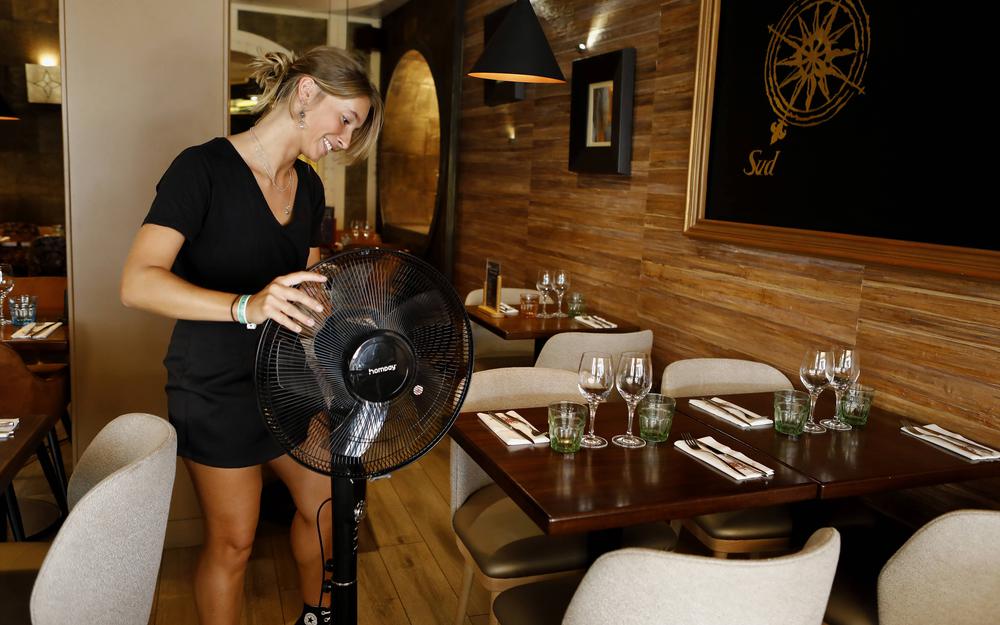
La Rochelle’s dining industry experiences significant turbulence, with many operators facing narrowing margins and operational difficulties. Approximately one-third of judicial cases involve quick-service restaurants, while the majority include traditional dining establishments often located beyond the city center. The pronounced vulnerability of mid-range restaurants, which constitute around 80% of these cases outside La Rochelle, signals a fragmented market under intense pressure from rising food costs, labor shortages, and changing consumer dining habits.
This sector’s vitality is further complicated by heightened expectations around dining experiences, where consumers increasingly prioritize ambiance and service over mere price considerations. However, fewer patrons and cost inflation undermine profitability, necessitating creative adaptations and stronger value propositions to capture and retain client interest. Efforts to analyze and respond to evolving consumer behavior in this sector echo findings in broader industry reports, such as the 2025 State of Restaurant Industry, which emphasize the importance of innovation and value-added services.
Moving Forward: Prevention and Resilience in La Rochelle’s Business Landscape
With the local courts registering record activity, authorities emphasize the critical need for early intervention and prevention measures to lessen business failures and job losses. This priority has inspired plans to introduce confidential amicable settlement hearings in 2026, aimed at encouraging timely dialogue between debtors and creditors. Such frameworks could prove pivotal in circumventing the harsh realities of liquidation, as the current statistic of over 400 jobs lost last year starkly illustrates.
Moreover, the situation spotlights a behavioral gap; a significant portion of business leaders either delay court appearances or disregard summons altogether, diminishing prospects for recovery. These dynamics stress the importance of fostering greater awareness and accessibility of judicial recourse among enterprises.
In this challenging context, cross-sector cooperation and strategic innovation emerge as indispensable for fortifying La Rochelle’s economic future. By aligning with proven approaches—such as leveraging insights from business resilience strategies and engaging with referral programs to enhance market adaptability—local enterprises can hope to navigate prevailing uncertainties and build a more sustainable commercial ecosystem.
