
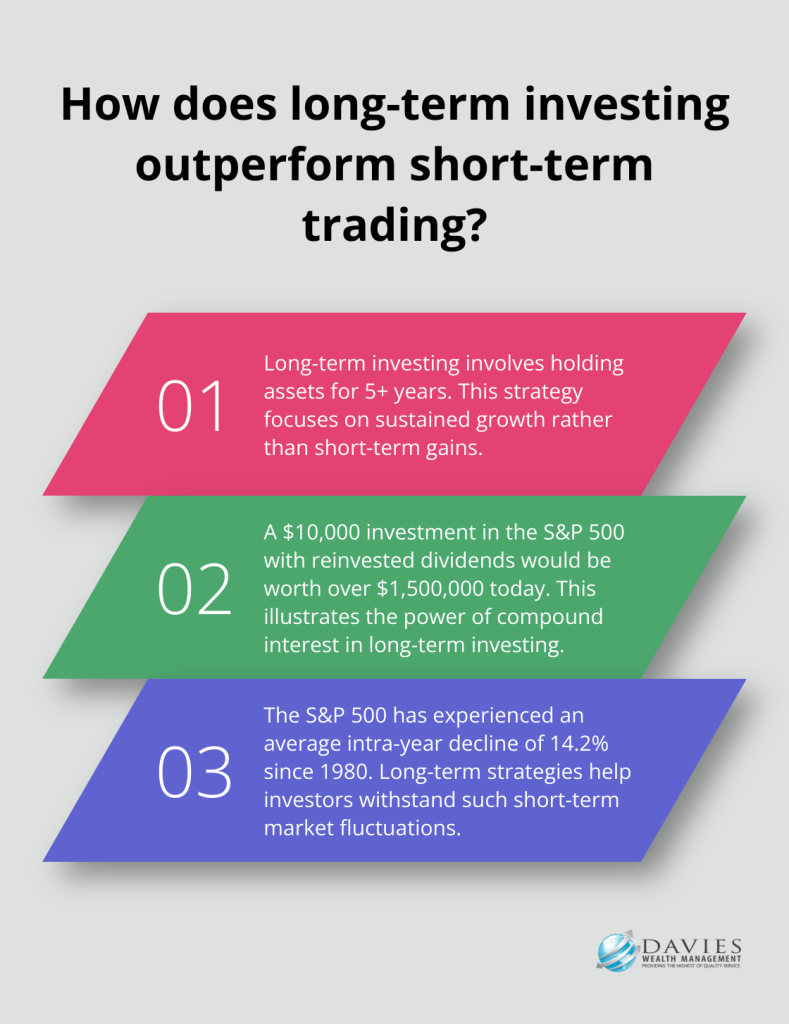
Long-term investing serves as a cornerstone strategy for those seeking to build sustainable wealth. Whether targeting retirement savings, educational funds, or simply the gradual growth of personal assets, the choice of an investment platform is paramount. Key considerations revolve around low transaction costs, a robust suite of investment tools, and reliable security measures, all supporting an investor’s journey over years or decades. Given the diversity in platform offerings from stalwarts like Fidelity and Vanguard to technologically adept players such as Interactive Brokers and TD Ameritrade, investors must look beyond mere fees and evaluate factors like platform stability, educational resources, and account features. Engaging with platforms renowned for their long-term support illustrates the importance of choosing a partner that both empowers and protects the investor’s portfolio in evolving market conditions.
En bref :
- Platform stability and security are critical to safeguard investments held over extended periods.
- Low or zero commission trading significantly preserves portfolio returns, especially on frequent, small transactions.
- Access to diversified investment products such as fractional shares, mutual funds, and ETFs enhances portfolio flexibility.
- Educational and research tools empower investors to make informed, confident decisions aligned with long-term goals.
- Account variety including IRAs and Roth IRAs, provides essential tax advantages for retirement-oriented investing.
Analyzing Key Criteria for Selecting the Ideal Long-Term Investing Platform
Choosing a platform tailored for long-horizon investing requires scrutinizing several integral factors. Stability and uptime are non-negotiable; platforms like Fidelity and Vanguard have cultivated reputations for consistency that fortify investor confidence. Equally vital is a strict standard of security protocols, including mandatory two-factor authentication and regulatory oversight, all designed to prevent unauthorized access over potentially dormant periods. The cost dimension plays a pivotal role as well—commission-free trading options, prevalent among modern brokers such as Charles Schwab and E*TRADE, eradicate friction in portfolio rebalancing, keeping growth compounding unhindered.
Investment Variety and Ease of Diversification
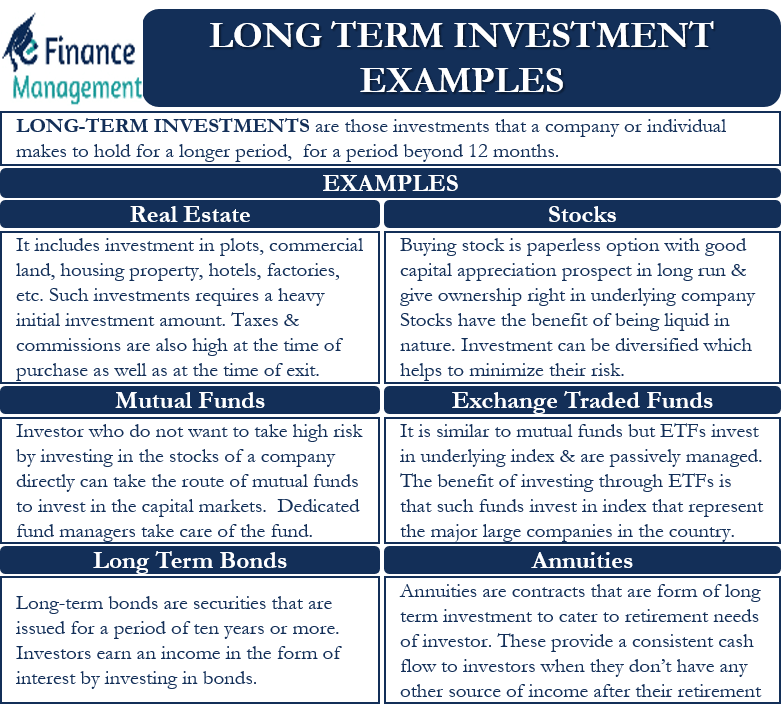
Diversification is the bedrock of risk management within long-term portfolios. The capacity to access a broad spectrum of financial instruments—stocks, bonds, ETFs, and mutual funds—is foundational. The inclusion of fractional shares, now a standard offering with brokers like Charles Schwab and Robinhood, enables investors to participate in high-value equities without large capital. Platforms also vary in account offerings, covering essentials such as traditional and Roth IRAs, which provide significant tax benefits. Instrument availability must also extend to retirement and educational savings vehicles, making platforms with comprehensive account types more desirable for long-term strategists.
The Competitive Edge of Research Tools and Educational Resources
Long-term investors benefit greatly from insightful research and education that inform strategic decision-making. Top-tier brokers like Fidelity and TD Ameritrade offer extensive market analysis, third-party research reports, and tailored educational programs, including webinars and interactive tutorials. These resources demystify complex investment concepts and provide continual learning opportunities, critical for navigating evolving markets and adjusting portfolios effectively. For emerging investors, such platforms provide foundational knowledge, while experienced traders gain advanced analytics to fine-tune their approach.
User Experience: Balancing Sophistication and Accessibility
A seamless user interface reduces friction in managing investments, especially for those who do not engage in daily trading. Platforms like Charles Schwab excel in delivering intuitive dashboards suitable for novices, while brokers such as Interactive Brokers cater to sophisticated users with advanced tools. The integration of mobile applications enhances flexibility, ensuring that long-term investors can monitor their portfolios and execute transactions on the go. Additionally, responsive customer support remains critical for resolving issues that emerge over the lifetime of an investment.
Balancing Fees and Account Types to Maximize Long-Term Growth
Persistent vigilance over fees and charges can dramatically influence compounding returns. While many top brokers now offer zero-commission trades on stocks and ETFs, ancillary costs such as mutual fund expense ratios and account maintenance fees warrant careful review. Platforms that provide numerous $0 transaction fee mutual funds, including Merrill Edge and Fidelity, offer a competitive advantage to investors engrossed in low-cost, passive strategies. Moreover, selecting brokers that accommodate multiple account types — from taxable brokerage accounts to various IRA formats — enables investors to align tax strategies with long-term objectives efficiently.
Prop Trading Firms: An Alternative for Active Participation Alongside Long-Term Investing
Though primarily oriented towards long-term strategies, investors increasingly explore prop trading firms such as TradeThePool, which emerged in prominence by 2025. These firms allow traders to leverage firm capital for active trading, with minimal personal upfront deposits. This model offers a complementary approach, enabling investors to engage in shorter-term speculative activities without compromising a long-term portfolio’s stability. Understanding the dual role of brokers and prop firms informs a comprehensive investment strategy that accommodates both growth and active opportunity capture.
