
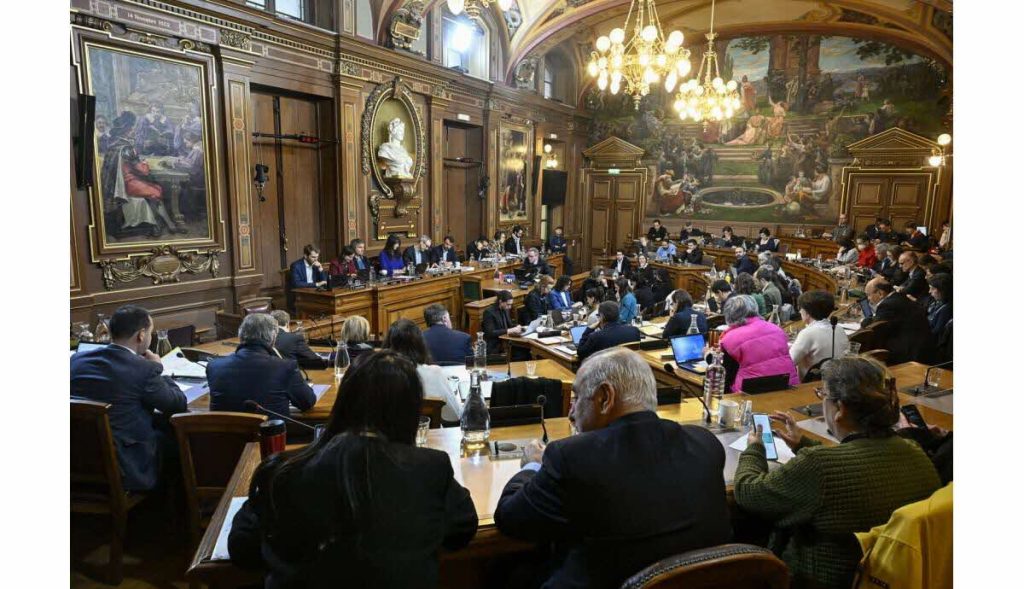
The upcoming municipal elections in Lyon cast a stark light on an unprecedented commercial crisis gripping the city, demanding urgent action from local governance. As election candidates prepare their platforms, the critical state of Lyon’s commercial sector emerges as a defining issue—yet concrete strategies remain elusive. The city’s economic heart, especially the historic Presqu’île district, faces alarming declines in business activity, characterized by widespread closures and mounting financial pressures on local enterprises. This situation not only threatens the vitality of Lyon’s neighborhoods but also signals profound repercussions on the broader socioeconomic fabric.
Fabrice Bonnot, a well-known restaurateur and president of the merchants’ association in the Charité-Bellecour neighborhood, issues a stark warning: the crisis has surpassed a transient downturn and reached a level demanding immediate intervention. The usual electoral timelines no longer suffice when Lyon’s commerce ecosystem risks irreversible damage. The disconnect between political rhetoric and the harsh realities confronting local businesses necessitates swift, actionable policies that can stabilize and revitalize commerce before the momentum is lost entirely. This commercial emergency challenges both incumbent officials and candidates alike to define their roles in protecting the economic backbone of Lyon.
Key takeaways:
- Lyon faces an unprecedented commercial crisis characterized by persistent business closures and declining activity in crucial districts like the Presqu’île.
- Municipal elections spotlight the urgency for local government to respond with concrete, immediate public policy measures.
- Current political campaigns exhibit a notable absence of effective strategies addressing the economic impact on merchants and local enterprises.
- The growing gap between policymaking and the realities faced by Lyon’s business community exacerbates the commercial downturn.
- Urgent action is essential to avert long-term damage to Lyon’s urban economy before and beyond the 2026 elections.
Unprecedented Commercial Crisis Defines the Stakes of Lyon’s Municipal Elections
Lyon’s 2026 municipal elections are unfolding against a backdrop of an alarming economic decline that directly affects the city’s core commerce sectors. Unlike previous election cycles where policy debates primarily orbited around housing, security, and transportation, today’s candidate discourse must address the tangible commercial crisis destabilizing local neighborhoods. This shift signals a broader economic concern that transcends isolated commercial pockets, rendering it a central electoral issue.
The economic impact of widespread closures and shrinking consumer footfall, especially in the Presqu’île area, crystallizes a crisis with cascading effects throughout Lyon. The situation elicits urgent demands for local government intervention to stem the erosion of Lyon’s commercial districts before permanent damage unfolds.

Urgent Action Demanded by Lyon’s Local Business Leaders
Voices from Lyon’s commercial frontlines, particularly Fabrice Bonnot, highlight that the traditional political rhythm cannot accommodate the immediate needs of small businesses battling financial exhaustion. The ongoing trend of diminished economic activity, compounded by rising operational costs, jeopardizes the survival of many enterprises. The local government’s role in implementing pragmatic, rapid-response policies becomes indispensable.
Drawing parallels with cities that have faced similar downturns, the response must combine fiscal relief, supportive regulations, and initiatives that restore public confidence in shopping districts. Such measures should be transparently communicated and prioritized in municipal programs to rebuild Lyon’s commercial ecosystem.
The Disconnect Between Electoral Promises and Economic Realities
Despite the critical economic signals, a review of the current political campaigns reveals a significant void of substantive plans specifically targeting Lyon’s commercial health. This gap raises pressing questions about the preparedness and resolve of candidates to address this unprecedented commercial crisis. Experience from other urban centers indicates that postponing decisive action until after elections risks exacerbating the situation.
Lyon’s commercial stakeholders demand a shift from generic political promises to immediate, actionable strategies that deliver relief and stabilization. Candidates must articulate their plans on how to support business liquidity, reduce commercial vacancy rates, and foster an environment conducive to investment and consumer return. The electorate’s growing impatience highlights that public policy must evolve to match the lived economic struggles of Lyon’s merchants and residents alike.
Lessons from Other Cities: The Role of Governance in Commercial Revival
Insights drawn from the powers of local mayors in supporting businesses emphasize that decisive leadership combined with targeted financial support programs can alter the trajectory of commercial downturns. Furthermore, innovative electoral platforms such as those highlighted by Nantes merchants’ election plans illustrate how embedding commercial revitalization measures into campaign agendas generates hopeful blueprints for recovery.
Such examples serve as crucial benchmarks for Lyon’s 2026 municipal election candidates, underscoring the effectiveness of coordinated public and private efforts in ensuring commercial resilience and urban vibrancy.
