
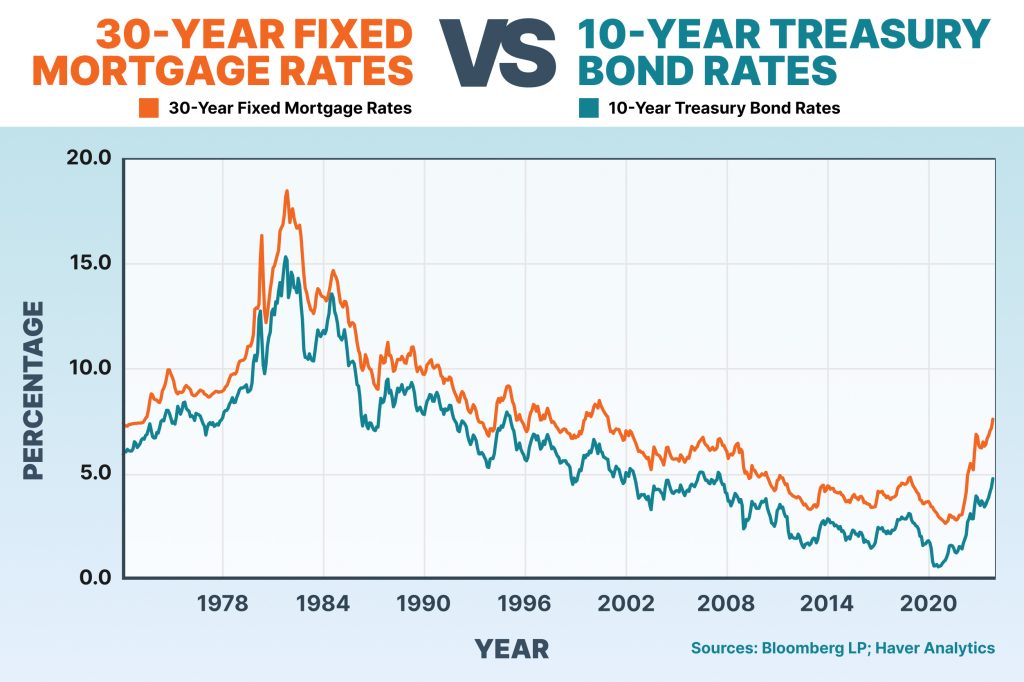
In early 2026, the mortgage lending landscape reveals a decisive turning point. After a period marked by rising interest rates earlier this year, February introduces a rare stability across home loan rates, signaling a reawakening of the real estate market. This plateauing of rates is coupled with a noteworthy expansion in loan negotiation margins, empowering borrowers with improved leverage to secure competitive deals. Banks, responding to evolving market dynamics and stiffening competition, have adjusted their strategies—evidenced by rate reductions at major institutions and steadfast offers across lending durations.
Strengthened by enhanced refinancing conditions, lenders show a clear inclination to invigorate their credit production as the traditional spring rush of the housing sector approaches. This shift is perceptible not only in the expanding pool of prospective buyers but also in the rising volumes of approved loans. Such a climate of financial stability sets the stage for a significant market revival in 2026, impacting both first-time buyers and seasoned investors seeking attractive entry points in the real estate market.
Mortgage Lending Trends Highlight Stability in Interest Rates and Expanding Negotiation Margins
Throughout February, mortgage lending rates held steady, with averages hovering around 3.20% for 15-year loans, 3.40% for 20-year loans, and 3.60% for 25-year loans. Intriguingly, market leaders among borrowers—those presenting robust financial profiles and substantial down payments—have successfully negotiated rates closer to 2.8%-3% on varying term lengths. This resurgence of negotiation flexibility underscores a growing readiness among banks to adapt offers in favor of borrowers, breaking recent trends of tightening credit.
The improved negotiation margins are not arbitrary but rooted in banks’ strategic shifts aimed at revitalizing their lending portfolios amid intensifying interbank competition. Two prominent national banks have notably lowered their rate brackets by 0.10 and 0.25 percentage points respectively, igniting a subtle but promising ripple effect across the sector. This measured rate adjustment signals more than just a concession; it reflects confidence in the financial stability underpinning the market and a desire to stimulate demand.
Loan Negotiation: Catalyst for Borrowers in the Renewed Real Estate Market
As negotiation margins widen, borrowers find themselves in a more advantageous position to secure attractive home loan deals. This opportunity is especially relevant for well-prepared applicants demonstrating consistent income and solid equity contributions. The disparity in rate offers from bank to bank highlights the critical importance of thorough loan negotiation, presenting clear potential for cost savings.
Importantly, this evolving landscape encourages borrowers to engage in strategic comparison and consultation—leveraging tools like broker referral programs to navigate complex financial products effectively. For professionals seeking competitive advantage, partnering with reputable brokers has become an indispensable avenue to capitalize on the best brokerage networks. These programs provide access to sharpened loan negotiation tactics, driving financial efficiency in the acquisition of home loans.
Market Revival: Indicators Point to a Flourishing 2026 for Housing Finance
The undercurrent of rate stabilization and growing loan negotiation margins is mirrored in increased market activity. According to recent analyses, mortgage demand surged by over 15% compared to the previous year, with credit amounts granted expanding by nearly 20%. This momentum reflects not only buyers’ renewed confidence but also institutions’ willingness to meet demand amid improved funding costs and regulatory support.
Investment prospects, especially in the rental market, gain additional traction supported by incentive frameworks like the Jeanbrun scheme. Despite ongoing challenges such as rental caps and renovation complexities, these measures provide vital encouragement for investors, reinforcing the breadth of the real estate market’s revival.
In this promising climate, loan negotiation transforms from a transactional step into a strategic advantage, galvanizing buying power and fostering financial stability across the housing finance ecosystem. Prospective homeowners and investors alike stand to benefit from this upturn, provided they harness expert advice and timing insights to navigate the evolving marketplace effectively.
For borrowers eager to capitalize on these shifts, utilizing advanced negotiation skills and staying informed on current rate trends is crucial. Platforms offering detailed comparative analysis and connections to premier brokers enable a sharper edge in loan acquisition strategies.
As the housing finance sector gains momentum, the synergy of stable interest rates and heightened negotiation margins stands as a testament to the resilience and adaptability of the mortgage lending market. Such dynamics forecast an imminent revival that promises broader access to home loans and sustained growth in the real estate market throughout 2026.
