

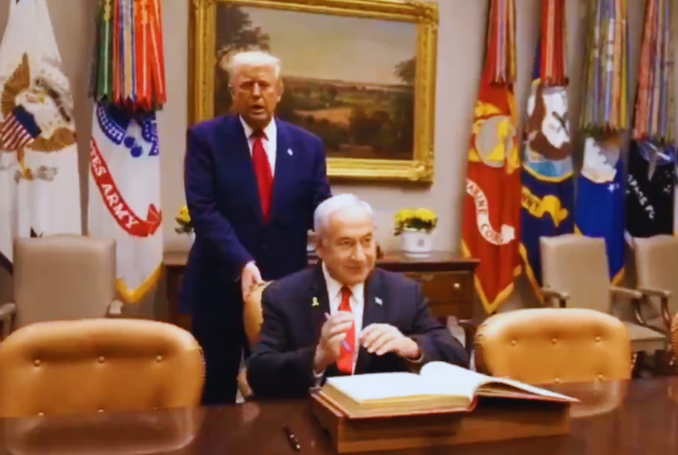
The upcoming meeting between Israeli Prime Minister Benjamin Netanyahu and U.S. President Donald Trump this Wednesday in Washington marks a pivotal moment in the intricate tapestry of Middle East diplomacy and politics. As the sixth face-to-face meeting since Trump’s inauguration in early 2025, this summit underscores the sustained strategic dialogue shaping US-Israel relations amidst escalating tensions around Iran’s nuclear ambitions and regional influence. Netanyahu’s firm stance advocates including missile restrictions and halting financial support to Iran’s allied militant groups in any negotiation framework. Meanwhile, Washington shows a comparatively flexible posture, aiming to keep diplomatic channels open after recent talks in Oman and plans for upcoming sessions. The divergent approaches underline the complexities inherent in addressing security concerns while striving for stabilization in a region burdened by historic conflicts.
The negotiations carry significant weight as Israel demands a comprehensive dismantling of Iran’s nuclear and missile capabilities, viewing regime change as a necessary safeguard against existential threats. Simultaneously, the U.S. strategy seeks to balance pressure with engagement, reflecting a nuanced effort to prevent escalation while countering Iran’s aggressive maneuvers. Netanyahu’s promise of an unprecedented military response in case of Iranian retaliation highlights the high stakes involved. With global eyes on Washington’s Iran talks, the outcome could redefine geopolitical alignments and security paradigms in the Middle East. This critical meeting unfolds against the backdrop of a volatile regional landscape where diplomacy and defense intertwine, calling for shrewd negotiation tactics and robust political will.
Brief
- Benjamin Netanyahu and Donald Trump meet in Washington for the sixth time since early 2025 to discuss Iran negotiations.
- Israel insists on missile restrictions and freezing support to Iranian allied groups as essential negotiation conditions.
- U.S. approach shows increased flexibility, continuing diplomatic talks following recent Oman discussions.
- Netanyahu demands complete dismantlement of Iran’s nuclear and missile capabilities, signaling a tougher stance than the U.S.
- Escalating regional tensions highlight the risks of conflict and the urgency for effective crisis management.
Strategic Dimensions of Netanyahu and Trump’s Washington Meeting on Iran Negotiations
This meeting is emblematic of the ongoing tension between Israel’s uncompromising security posture and the U.S.’s calibrated diplomatic overtures. Netanyahu’s insistence on including ballistic missile limitations and stopping Iranian proxy funding defines Israel’s broader security doctrine formulated in response to decades of hostile Iranian policies and proxy confrontations. This uncompromising posture stresses preemptive, decisive action over gradual diplomatic engagement, which contrasts with President Trump’s current strategy that leans towards leveraging negotiation to contain threats without direct confrontation.
The duality of strategy is rooted in complex geopolitical realities: Israel’s survival calculus revolves around immediate and tangible threat neutralization while the U.S. aims to maintain regional stability without triggering wider conflicts. As the administration prepares for another round of talks with Iran next week, following the recent engagement in Oman, Trump’s negotiation tactics reflect a blend of pressure and openness. However, Netanyahu’s approach underscores the urgency of robust security guarantees, framing the outcome of this Washington meeting as a potential point of divergence or convergence in US-Israel relations.
Implications for Middle East Stability and US-Israel Relations
The importance of the discussions between Netanyahu and Trump extends beyond bilateral ties; it resonates deeply across the Middle East, potentially affecting global security and energy markets. Israel’s demand for regime change, or at minimum a full dismantling of Iran’s nuclear program and missile arsenal, represents a high-risk position that could either force Tehran back to the negotiating table with serious concessions or provoke a further escalation of hostilities. This harsher Israeli stance contrasts with the U.S. approach, which, while not softening on containment, is attempting to prevent outright conflict by allowing diplomatic space.
The timing of the meeting ahead of sensitive talks in the region adds pressure to solidify a coherent strategy. Netanyahu’s warning of an unprecedented military response should Iran retaliate highlights the potential for rapid escalation, challenging the delicate balance of power. Analysts stress that the outcome of these negotiations will be critical not only for US-Israel relations but also for maintaining a semblance of peace in a historically volatile region.
Negotiations Dynamics: U.S. Flexibility versus Israeli Intransigence
While the United States has signaled a willingness to engage in sustained dialogue with Tehran, including upcoming sessions post-Oman talks, Israel’s approach remains unyielding. This contrast is pivotal in understanding the complex negotiation dynamics at play. The U.S. recognizes the value of diplomatic engagement to curb Iran’s nuclear aspirations without triggering military conflict, favoring a more pragmatic and less confrontational approach.
Conversely, Israel views Iran as an existential threat necessitating stringent conditions, including a halt to missile development and severing support to Iranian-backed militias in the region. This fundamental difference fuels ongoing debates within the administration and among allies regarding the optimal path forward. As the international community watches closely, the meeting in Washington could redefine negotiation frameworks and shape the trajectory of peace and security efforts in the Middle East for years to come.
