
Empty storefronts and deserted streets paint a vivid picture of many downtown areas across the country, prompting urgent conversations about revitalization. The decline in foot traffic and shopper engagement has not only impacted local businesses but also delayed broader economic development. Yet, beneath the surface, there lies a tapestry of opportunities to transform these once-thriving urban cores into vibrant hubs of commerce and community once again. Effective promotional strategies, targeted storefront improvements, and dynamic community events are now emerging as key levers to rekindle consumer interest and stimulate sustained retail revival.
Downtown shopping districts are uniquely positioned to offer experiences that online retail cannot replicate: tangible connections, sensory engagement, and social interaction. However, reclaiming this space requires a clear understanding of shopper motivations and a willingness to innovate. Retailers and city planners are increasingly collaborating to enhance customer experience through curated events and tailored incentives that invite locals and visitors alike. This trend marks a shift from traditional retail models to an experience-driven ecosystem, essential for drawing people back from sprawling suburban malls and digital marketplaces.
The journey to downtown revitalization is nuanced, blending creative problem-solving with practical action. Simple but effective tactics like improving storefront aesthetics and fostering partnerships for local events can significantly boost pedestrian activity and consumer spending. Success stories spanning from mid-sized towns to metropolitan districts illustrate that with strategic focus on community needs and retail innovation, empty downtowns need not remain dormant but can thrive as bustling centers of economic and social life once more.
Key takeaways:
– Retail revival hinges on enhancing shopper engagement through meaningful experiences and community involvement.
– Foot traffic increases notably when downtown businesses coordinate promotional strategies that resonate locally.
– Storefront improvement is not just cosmetic; it signals investment, safety, and brand identity essential to attracting customers.
– Local businesses benefit substantially from events that spotlight the community, fostering loyalty and repeated visits.
– Economic development in downtown districts is a dynamic process that thrives on innovation, collaboration, and targeted action.
Strategies to Boost Foot Traffic and Shopper Engagement in Downtown Shopping Districts
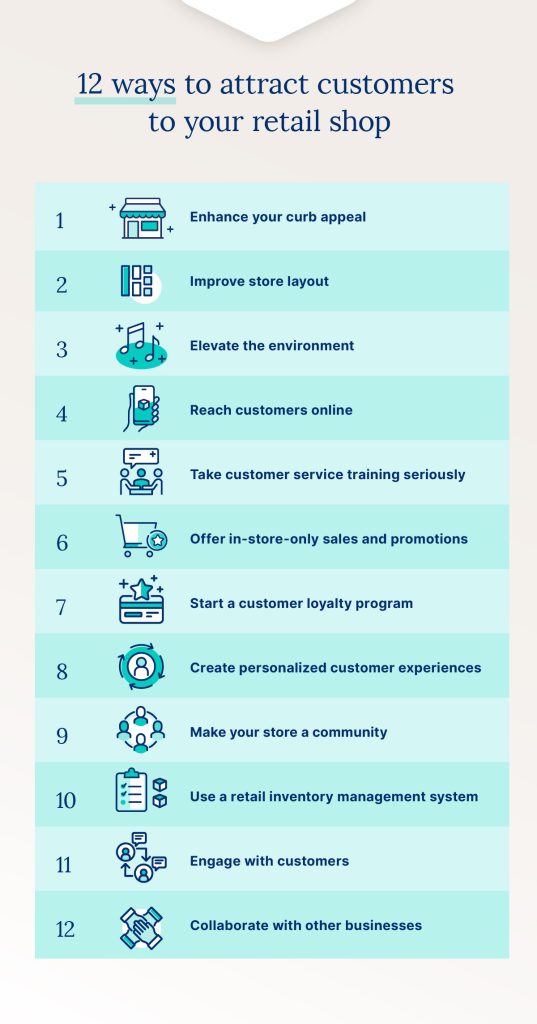
Increasing foot traffic remains central to revitalizing empty downtowns, yet it demands more than just attracting visitors—it requires crafting compelling reasons for shoppers to stay and return. Initiatives ranging from pop-up markets to seasonal festivals have proven to be effective anchors. These events not only drive immediate interest but also cultivate a sense of place, making downtown shopping a destination of choice rather than an afterthought.
Additionally, enhancing the customer experience with personalized services and interactive retail formats helps in differentiating downtown offerings from generic shopping centers. Retailers adopting augmented reality or digital kiosks can engage tech-savvy consumers, adding layers of convenience and entertainment. Furthermore, collaboration among local businesses to create bundled promotions or loyalty programs encourages exploration of multiple storefronts, deepening shopper engagement and spending.
Elevating Storefront Appeal to Drive Retail Revival
The physical state of storefronts plays a critical role in customer perception and willingness to enter. Deteriorated facades and vacant lots deter foot traffic and diminish neighborhood pride. Conversely, revitalizing window displays, repairing signage, and maintaining clean, inviting exteriors communicate a strong message of investment and opportunity. Such improvements can be achieved through partnerships between city officials, property owners, and local artists, injecting creativity into the rebuilding process and reinforcing local identity.
Notably, programs offering grants or tax incentives for storefront improvements have catalyzed transformations in several communities. These measures not only enhance aesthetic appeal but also help stabilize property values, attracting further investment. Ultimately, the care taken in storefront improvement directly correlates with increased shopper confidence and longer visits, feeding into a positive cycle of economic rejuvenation.
Harnessing Community Events for Economic Development in Downtown Areas
Community events serve as powerful magnets for shopper traffic and play a critical role in fostering local business success. Events such as art walks, street fairs, and live performances create a festive atmosphere that invites discovery and social interaction. These gatherings not only spotlight local talent and products but also build networks of support for downtown enterprises, reinforcing the sense of community essential for sustainable growth.
Successful events are those that are thoughtfully integrated into the downtown ecosystem rather than isolated marketing stunts. In 2025, emphasis on inclusivity and representation within such events has proven crucial in expanding their appeal. Involving diverse stakeholders ensures that the events reflect the community’s fabric and meet a broad spectrum of interests, which in turn drives consistent engagement and repeat visitation.
