
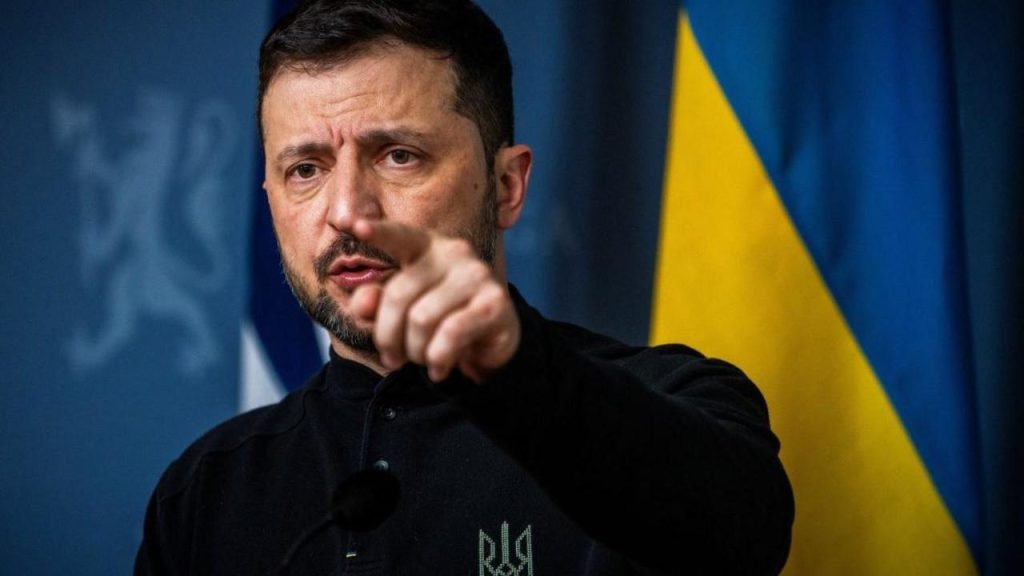
Russia’s explicit refusal to engage in negotiations with the European Union marks a significant escalation in the ongoing political conflict shaping international relations in 2026. Moscow’s Kremlin spokesperson Dmitri Peskov accused the EU’s leadership of lacking foresight and condemned what he described as incompetence, underscoring a strategic rift between Russia and Brussels. This hardened stance is emblematic of Russia’s broader foreign policy, which increasingly isolates the EU diplomatically while maintaining active dialogue with the United States and Ukraine, currently negotiating in parallel forums to address the protracted war in Ukraine.
Central to this diplomatic deadlock is the Kremlin’s pointed rejection of Kaja Kallas, the European Union’s Foreign Policy Chief, who remains a singular individual on Moscow’s sanctions blacklist. Peskov made it unequivocally clear that Russia will « never negotiate anything with her, » drawing an explicit line indicating that Moscow’s political stance will not soften unless her tenure, set to last until 2029, concludes. This inflexible position reveals Kremlin’s strategy to delegitimize certain EU representatives, thereby complicating any potential dialogue. Such individual targeting of key diplomats reflects a deeper attempt to fracture EU foreign policy unity, while simultaneously keeping the EU dependence narrative at the forefront, which Moscow dismisses as a mythical construct since Europe has purportedly traded its reliance on Russian energy for stronger US ties.
Russia’s Diplomatic Strategy and the EU’s Energy Sanctions in 2026
Russia’s refusal to negotiate is closely tied to the European Union’s vigorous sanctions regime aimed at phasing out Russian oil and gas imports by 2028. This strategic shift, part of the EU’s broader REPowerEU roadmap, intends to dismantle Moscow’s leverage which, until recent years, relied heavily on energy exports. However, Moscow interprets these moves as short-sighted and damaging to global international relations. Peskov’s criticism highlights the Kremlin’s perception that European policymakers lack an understanding of the current coordination system that underpins global diplomacy.
The EU’s sanctions and energy diversification, while robustly pursued by member states, inevitably expand the political conflict with Russia. This is underscored by continued Russian military actions, notably the launch of more than 1,700 attack drones in a single week, which confirms Moscow’s commitment to military escalation even as economic pressures mount. Notably, Moscow’s diplomatic posture contrasts sharply with the ongoing trilateral negotiations involving the United States, Russia, and Ukraine in the United Arab Emirates, aimed at brokering an end to the war. The EU’s exclusion from these talks speaks volumes about the current geopolitical fragmentation, even as European leaders like Emmanuel Macron and Georgia Meloni advocate for renewed contact with Russia to reassert Europe’s role in peace negotiations.
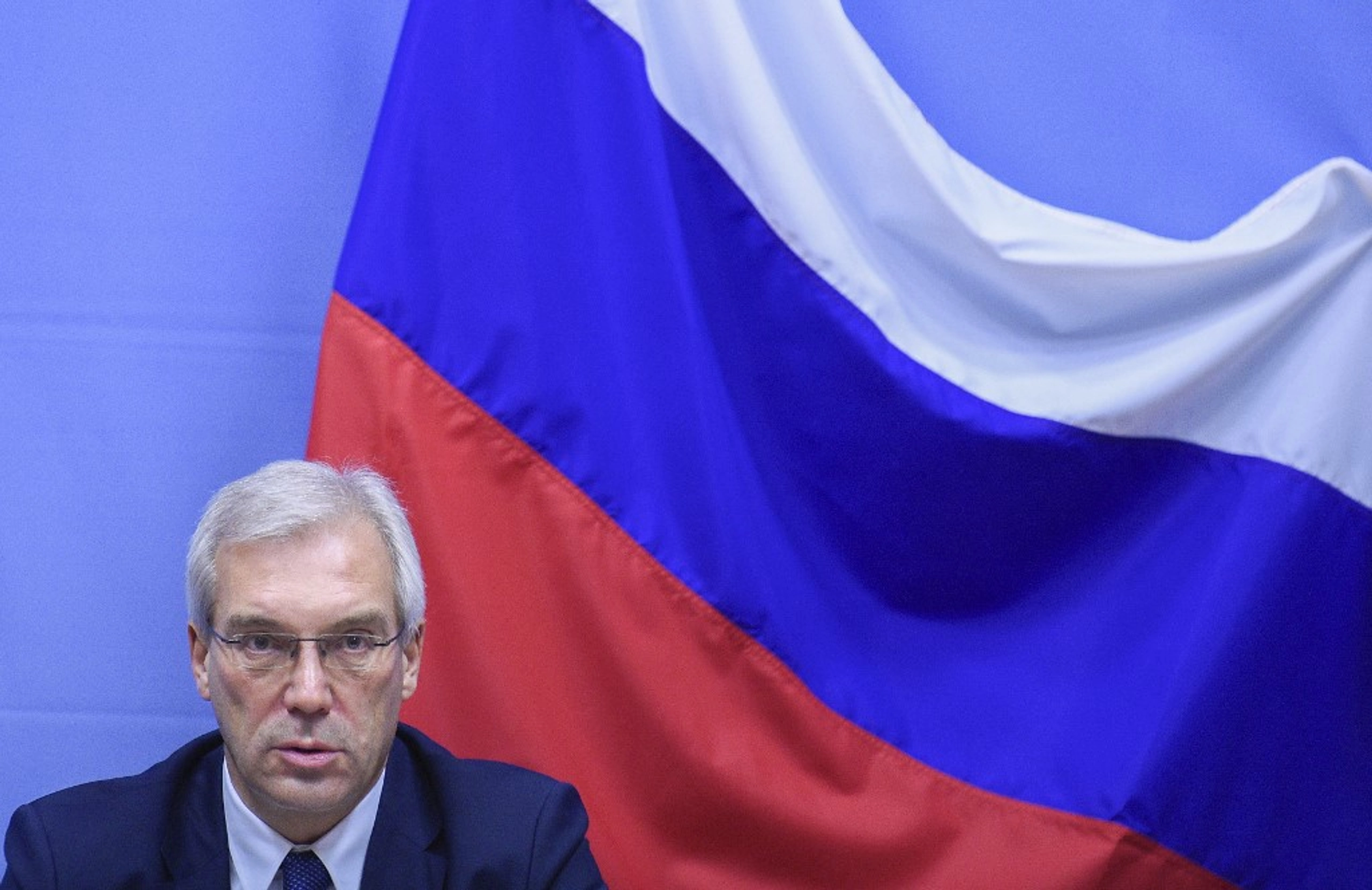
The Individual Targeting of EU Diplomats: A New Dimension in International Relations
The Kremlin’s direct targeting of Kaja Kallas signals a distinct evolution in Russia’s foreign policy tactics, where individual diplomats become emblematic of broader political rifts. Blacklisting Kallas, who previously served as Estonia’s Prime Minister, taps into deeper historical and regional grievances that Russia harbors against parts of Eastern Europe. By refusing to negotiate with her, Moscow attempts to undermine the credibility and effectiveness of EU diplomacy, potentially influencing negotiations on sanctions, security, and conflict resolution.
This approach resonates within the wider pattern of Russia’s international behavior, where personalized political stances complicate multilateral dialogue. It challenges the EU to reconsider its foreign policy strategies, balancing between firm sanction enforcement and engaging in pragmatic diplomacy to avoid prolonged conflict. This nuanced terrain is highlighted in various analyses of negotiation techniques and geopolitical maneuvering, as discussed in detail in expert negotiation analyses focusing on Europe.
The Future of EU-Russia Relations Amidst Sanctions and Political Hostility
As sanctions continue to intensify, with the EU progressively winding down Russian energy imports, the landscape of international relations grows ever more complex. Despite this, Russia’s insistence that it will not engage with certain EU figures suggests a prolonged stalemate, further inhibiting any prospects for direct diplomatic accords that might influence the war in Ukraine. The persistent exclusion of the EU from critical peace talks highlights growing vulnerabilities in the bloc’s foreign policy cohesion.
With the global balance shifting, the EU must navigate carefully between sustaining the pressure that sanctions bring and recognizing the limitations imposed by Moscow’s rigid political stance. The ongoing dialogue between other stakeholders, including the US and Ukraine, underscores the importance of inclusive negotiations. Meanwhile, the EU’s energy strategy, despite its challenges, reflects a decisive effort to reduce reliance on Russian resources and reshape regional power dynamics, which remain central to Europe’s security and economic future as analyzed in recent assessments of energy markets and conflict impact.
