
In the dynamic world of forex trading, understanding the intricacies of spreads and pips is indispensable for both novice and seasoned traders. The cost of opening a trade is often hidden in the thin margin between the bid and ask prices, a gap known as the spread. This seemingly small difference is charged by brokers like IG, OANDA, and Forex.com, forming a core component of trading expenses. In 2025, where market volatility continues to sway currency values unpredictably, grasping how spreads fluctuate and how pips quantify price movements can significantly sharpen trading strategies and risk management.
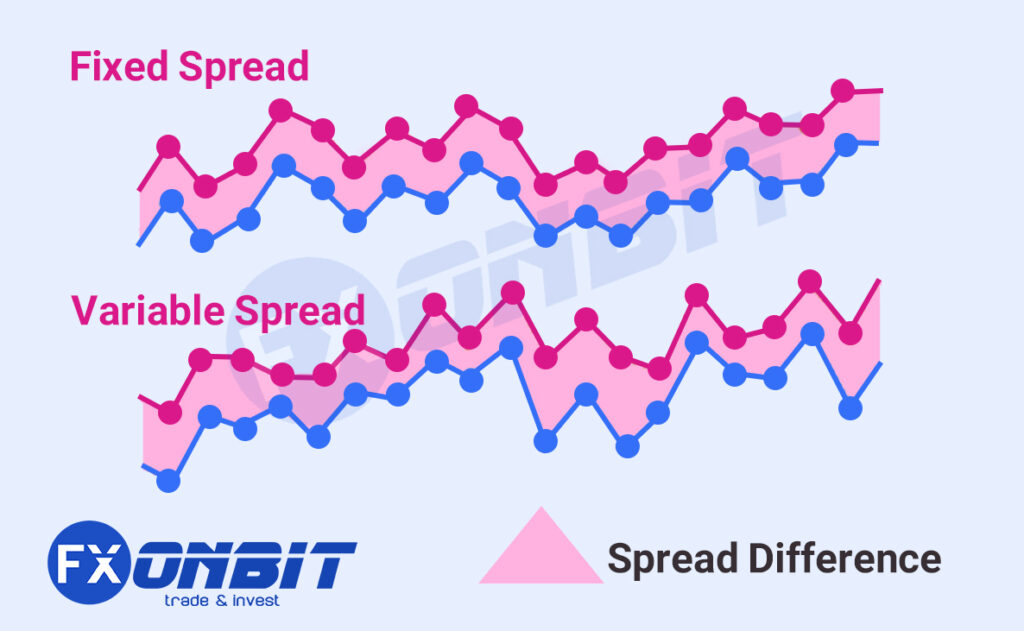
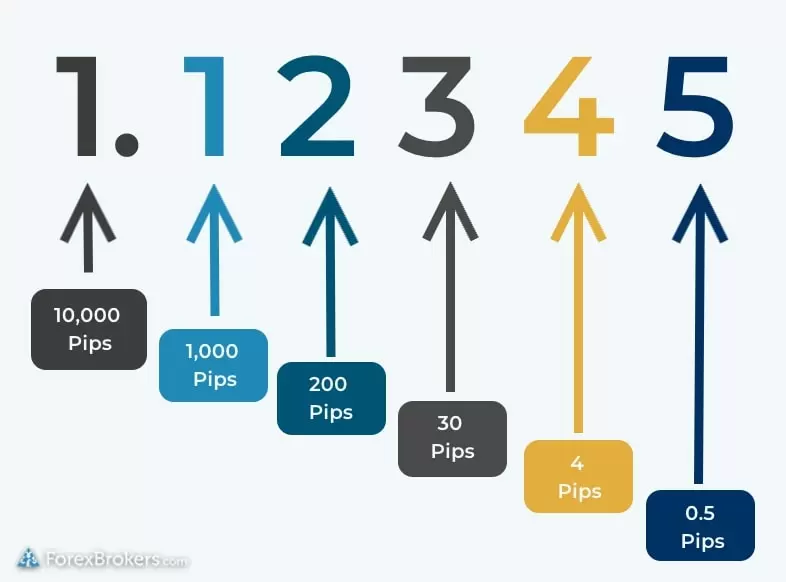
Spreads are measured in pips—the smallest unit by which a currency pair’s price can change. Traditionally, one pip equals 0.0001 for most major pairs like EUR/USD but differs for pairs involving the Japanese Yen, where it represents 0.01. For traders engaging with accounts at brokers such as CMC Markets or Pepperstone, the variable nature of spreads is a strategic factor. Brokers offering fixed spreads, like some platforms under Saxo Bank or eToro, guarantee stability but may lead to requotes during volatile market news. In contrast, variable spreads reflect real-time liquidity and volatility but can widen sharply during economic announcements.
Decoding Forex Spreads: Key Metrics Every Trader Should Master
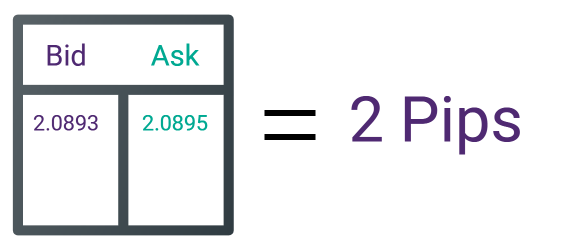
The spread, essentially the cost to initiate a trade, defines the broker’s margin and is quoted as the difference between the bid (selling price) and ask (buying price). A practical example is EUR/USD with a bid of 1.1050 and an ask of 1.1052, yielding a spread of 2 pips. While this may appear marginal, the cumulative impact on trading costs especially on high-frequency or scalping strategies is profound.
How brokers like XM and FXTM influence spread dynamics
Trading on platforms operated by brokers such as XM or FXTM introduces traders to both fixed and variable spreads tailored to varied user preferences and risk appetites. The choice between these models heavily impacts execution and cost considerations. Fixed spreads promote predictability which aids traders with limited capital, yet they come with the risk of slippage during turbulent market periods. Variable spreads, on the other hand, offer tighter costs during stable conditions but require vigilant monitoring to mitigate risks during volatility spikes.
Calculating and Minimizing Costs: The Crucial Role of Pips and Spreads
Effective trading necessitates an exact understanding of how to compute the spread cost. This involves subtracting the bid price from the ask and multiplying the spread in pips by the pip value and the number of lots traded. For example, with a EUR/USD spread of 1.4 pips and five mini lots, the total cost would amount to $7. Such calculations are vital to gauge profitability and optimize position sizing.
Smart traders enhance profitability by focusing on major currencies like GBP/USD, traded during peak liquidity hours when spreads narrow; and by selecting brokers that offer competitive pricing structures and transparent commissions, as detailed in the broker fees and commissions guide. Additionally, avoiding high-volatility events and employing rigorous risk management strategies rounds out a comprehensive approach to controlling trading expenses.
