

In the intricate realm of trading, the concept of stop-out levels stands as a pivotal safeguard for both traders and brokers. This mechanism serves as an essential bulwark against the risk of accounts spiraling into negative balances, a scenario particularly prevalent in markets leveraging high margin trading. Platforms such as MetaTrader, cTrader, and Thinkorswim incorporate stop-out protocols to automatically close positions once a trader’s equity falls below a critical margin threshold. Understanding how these stop-out levels operate, and their implications in dynamic, often volatile markets, is indispensable for traders seeking longevity and success. This knowledge not only empowers traders to manage risk more effectively but also highlights the necessity to align with brokers — from industry stalwarts like Interactive Brokers and Saxo Bank to widely accessible platforms such as IG and Plus500 — whose stop-out policies may vary significantly. As market complexity grows in 2025, delineating the nuances of stop-out mechanisms becomes vital for maintaining control over trading outcomes and avoiding precipitous account liquidations.
En bref : The stop-out level is an automatic safety measure designed to prevent losses from exceeding deposited funds by closing open positions when equity falls below a broker-defined percentage of margin used. This threshold varies widely, typically between 20% and 100%, influenced by broker policies and market conditions. While margin calls serve as warnings requiring trader intervention, stop-outs enforce order by liquidating positions without discretion. High leverage increases vulnerability to stop-outs, especially amid volatile market swings. Effective risk management—including prudent leverage use, diversification, and stop-loss orders—is paramount to avoid triggering these liquidations. Knowing how your chosen platform, be it NinjaTrader, eToro, or TradingView, manages stop-out rules can dramatically influence your trading strategy and financial discipline.
Decoding stop-out levels: A cornerstone of margin risk management
Stop-out levels act as a non-negotiable fail-safe designed to protect trading accounts from negative balances resulting from leveraged positions. The principle is straightforward: when a trader’s account equity, which includes balance plus or minus unrealized profits and losses, drops below a specified fraction of the used margin, the broker intervenes. Initiating enforced closure of one or several positions shields both parties from amplified losses due to market volatility or unforeseen economic events. In 2025’s trading ecosystem, platforms like MetaTrader and cTrader exemplify advanced stop-out monitoring, giving traders transparent access to margin metrics to gauge their exposure. Differing policies among brokers such as Saxo Bank and Interactive Brokers reflect varying risk appetites—some adopt aggressive thresholds around 20-30%, enabling prolonged position holding, while others implement conservative cutoffs near 100% to preserve capital integrity.

Margin, leverage, and the anatomy of margin calls
Understanding margin and leverage is fundamental to grasping the nuances of stop-out levels. Margin trading permits investors to amplify purchasing power by borrowing funds to control larger positions than cash alone would allow. However, higher leverage, commonplace in traders using platforms like NinjaTrader or Thinkorswim, magnifies both potential gains and losses. When market movements erode account equity to the maintenance margin threshold, brokers issue margin calls signaling the need for additional funds or position reductions. Failure to act precipitates stop-outs — where automatic liquidation kicks in.
The psychological and financial impact of receiving a margin call is significant, serving as an urgent prompt to reevaluate risk exposure. Traders who ignore these warnings, especially in volatile environments influenced by geopolitical factors or sudden economic data releases, face rapid account depletion. Hence, real-time platforms such as TradingView and eToro, with their dynamic alert functions, become invaluable tools for responsive risk management.
Broker-specific variables shaping stop-out execution
Each brokerage’s stop-out level policy weaves into its broader risk framework, creating a variable landscape for traders. For example, Plus500 might set a stop-out at 50% margin level, starting to close positions as equity dips, whereas IG could execute these closures closer to 30%, trading off slightly higher risk for trader autonomy. These disparities underscore the vital importance for traders to thoroughly examine their broker’s margin and liquidation rules before committing capital. In practice, failing to recognize a broker’s stringent stop-out threshold can lead to unexpected forced liquidations—as experienced by many during periods of sharp market downturns or systemic shocks.
Comprehensive broker selection reviews, like those available at broker-vista.com, offer comparative insights into these policies, assisting traders in aligning with brokers whose risk parameters match their trading style and capital resilience. This strategic alignment is a cornerstone of sustainable trading in contemporary markets.
Advanced techniques to navigate and mitigate stop-out risks
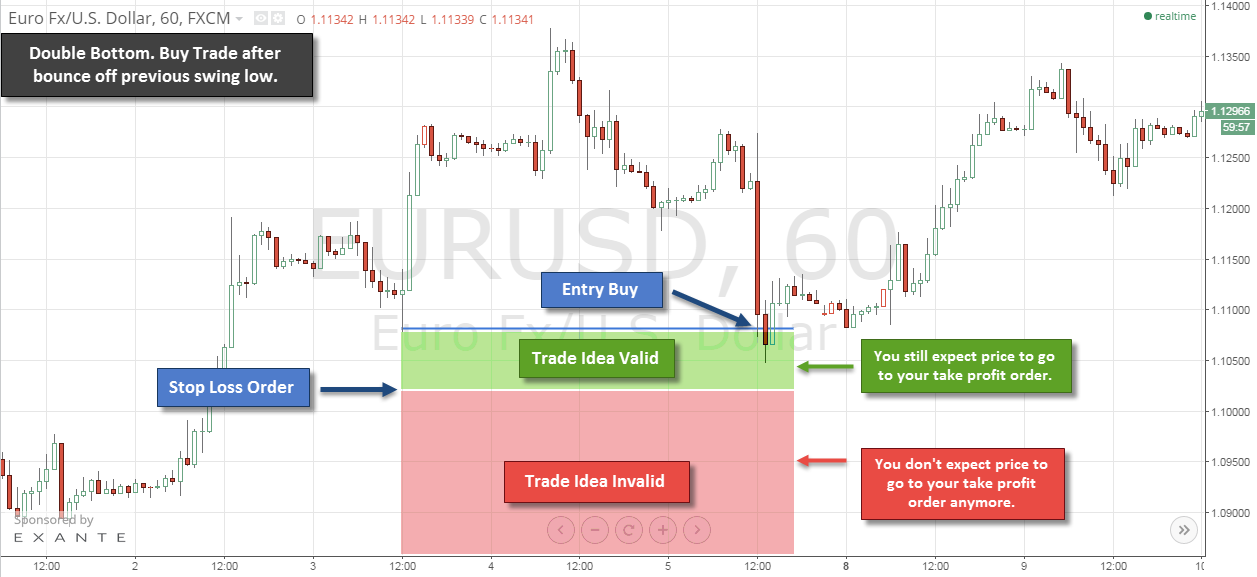
Active risk management strategies can dramatically mitigate exposure to stop-out events. Prudence dictates beginning margin trading with conservative leverage, gradually building experience without risking excessive capital. Position sizing plays a pivotal role—dividing investment across diverse assets and trade sizes limits the impact of adverse movements on any single position. Incorporating stop-loss orders ensures trades automatically close at predefined loss thresholds, capping potential draws.
Additionally, maintaining a healthy margin buffer by regularly replenishing accounts or scaling down positions accommodates market volatility without breaching liquidation thresholds. Platforms like Thinkorswim and Interactive Brokers offer sophisticated tools to monitor margin use and alert traders before critical stop-out levels loom, empowering advanced contingency planning. Ultimately, vigilance and adaptation to market dynamics are indispensable for preserving capital and leveraging opportunities effectively.
