
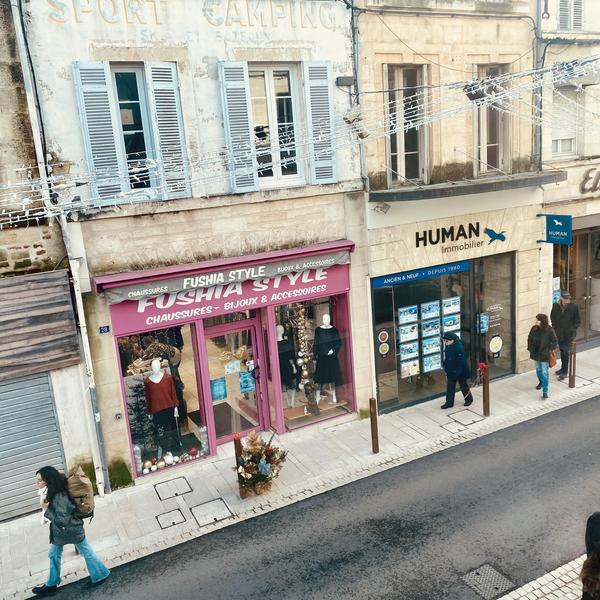
Business turnover in downtown Marmande presents a striking dichotomy in 2026. While the sudden store closing of the Antilles restaurant Le Prince noir, barely open since late 2024, casts a shadow, an array of new shops prepares to invigorate the urban core. This juxtaposition exemplifies the fluidity of commercial real estate dynamics and the ongoing retail changes transforming this community’s economic landscape. The closure, prompted by an unforeseen water damage disaster, contrasts sharply with promising openings such as Adopt’s perfume and cosmetics outlet and the forthcoming Comptoir de Calice, signaling resilience and adaptive urban development.
Such shifts serve as a microcosm for broader trends influencing downtown areas worldwide, highlighting how specific factors—ranging from environmental incidents to evolving consumer demands—can catalyze rapid business turnover. Downtown Marmande’s evolving storefront tapestry mirrors challenges seen in other regions, akin to situations documented in Eure or the shifting retail scenes explored in Orne villages. In a market where stability rarely prevails, understanding these movements is vital for stakeholders in the local economy and urban planning.
Critical Implications of Sudden Store Closings in Downtown Marmande
The premature closure of Le Prince noir, attributed to significant water damage, underscores vulnerabilities inherent in commercial real estate and its effect on the local economy. Such incidents disrupt not only the affected business but ripple through supply chains and adjacent enterprises, stalling momentum within downtown Marmande’s vital retail hub. Similar episodes documented in regions like Saint Jean Pla de Corts depict how abrupt store closing can erode consumer confidence and confuse potential investors.
Moreover, the aborted plan for a recyclerie in the pedestrian street adds to this narrative of unpredictability. These withdrawals point to deeper issues such as financing challenges, shifting consumer tastes, and regulatory hurdles, factors that complicate investment in downtown retail spaces. As storefronts remain vacant, the risk intensifies of a cascading effect detrimental to the vibrancy and economic health of Marmande’s core.

New Retail Developments and the Promise of Revitalized Urban Development
Counterbalancing closures is a surge of shop opening activity signaling revitalization. Companies like Adopt and Na by Ma exemplify a strategic focus on niche markets, particularly in cosmetics and retail changes that emphasize local branding—Na by Ma’s commitment to 100% French cosmetics is a deliberate choice likely to entice a discerning consumer base. These fresh ventures may rejuvenate foot traffic and anchor downtown Marmande as a destination for quality and authenticity.
Additionally, the anticipated inauguration of the Comptoir de Calice and a potential fresh produce outlet spearheaded by primeur Stéphane Cuenca offer promising indications of expanding diversity in the downtown business mix. This multifaceted development echoes trends observed in other urban centers adapting through enhanced service variety and increased consumer engagement. The delicate balance between closures and openings illustrates how sustained business turnover can foster economic renewal when supported by sound urban development policies.
The Role of Retail Dynamics in Shaping Marmande’s Commercial Landscape
Downtown Marmande exemplifies the inherent volatility of modern retail environments. Storefronts represent more than mere commercial spaces; they are symbols of community identity and economic vitality. The pressure of maintaining viable businesses amid persistent retail changes calls for innovative approaches to managing leases, enhancing customer experience, and leveraging local culture.
The closures and openings observed are not isolated incidents but part of a broader pattern reflected in parallel cases like the abandoned shops in Clermont-Ferrand, pointing to systemic challenges across France’s urban centers. Adaptive reuse of spaces, targeted support for emerging sectors, and a proactive stance on commercial property management emerge as strategic imperatives to stave off decline and promote sustainability.
