
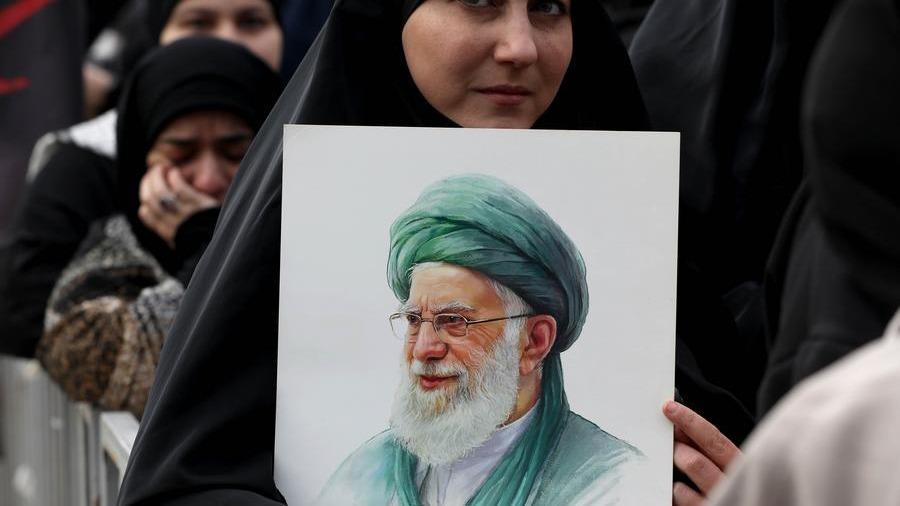
Strikes in Iran have erupted into a full-blown nation’s turmoil following the death of Ayatollah Khamenei during coordinated US and Israeli operations. This volatile confrontation underscores a dramatic escalation of political unrest, fueled by decades of fraught diplomacy and regional hostilities. As missiles and airstrikes ripple across the Middle East, the resulting retaliation from Iran and its proxies sends shockwaves through global markets and geopolitical calculations. The unfolding events illuminate the fragile balance of power in a region long burdened by conflict, where the demise of a single leader cascades into widespread protests and military reprisals.
In brief:
- America and Israel’s strategic strikes decisively targeted Iran’s military and political infrastructure, eliminating key figures including the supreme leader.
- The ensuing Iranian retaliation has intensified, stretching beyond national borders to impact neighboring Gulf states and international shipping lanes.
- The death of Ayatollah Khamenei marks a historic rupture, sparking both fervent protests and violent crackdowns within Iran.
- Major diplomatic efforts unfolding around nuclear negotiations contrast starkly with a simultaneous spiral into warfare, highlighting the complexity of the conflict.
Strikes and Retaliation: The Catalyst for Iran’s Contemporary Conflict
Months of simmering tensions between the United States and Iran crescendoed in late February, when President Donald Trump announced Operation « Epic Fury » from his Mar-a-Lago residence. The dramatic initiative, executed jointly with Israel, sought to dismantle Iran’s military capacity and cripple its support networks for regional proxies such as Hezbollah and Hamas. The precision and scale of the operation were underscored by the elimination of Ayatollah Khamenei—a leader whose reign molded Iran’s modern identity and its antagonism with the West.
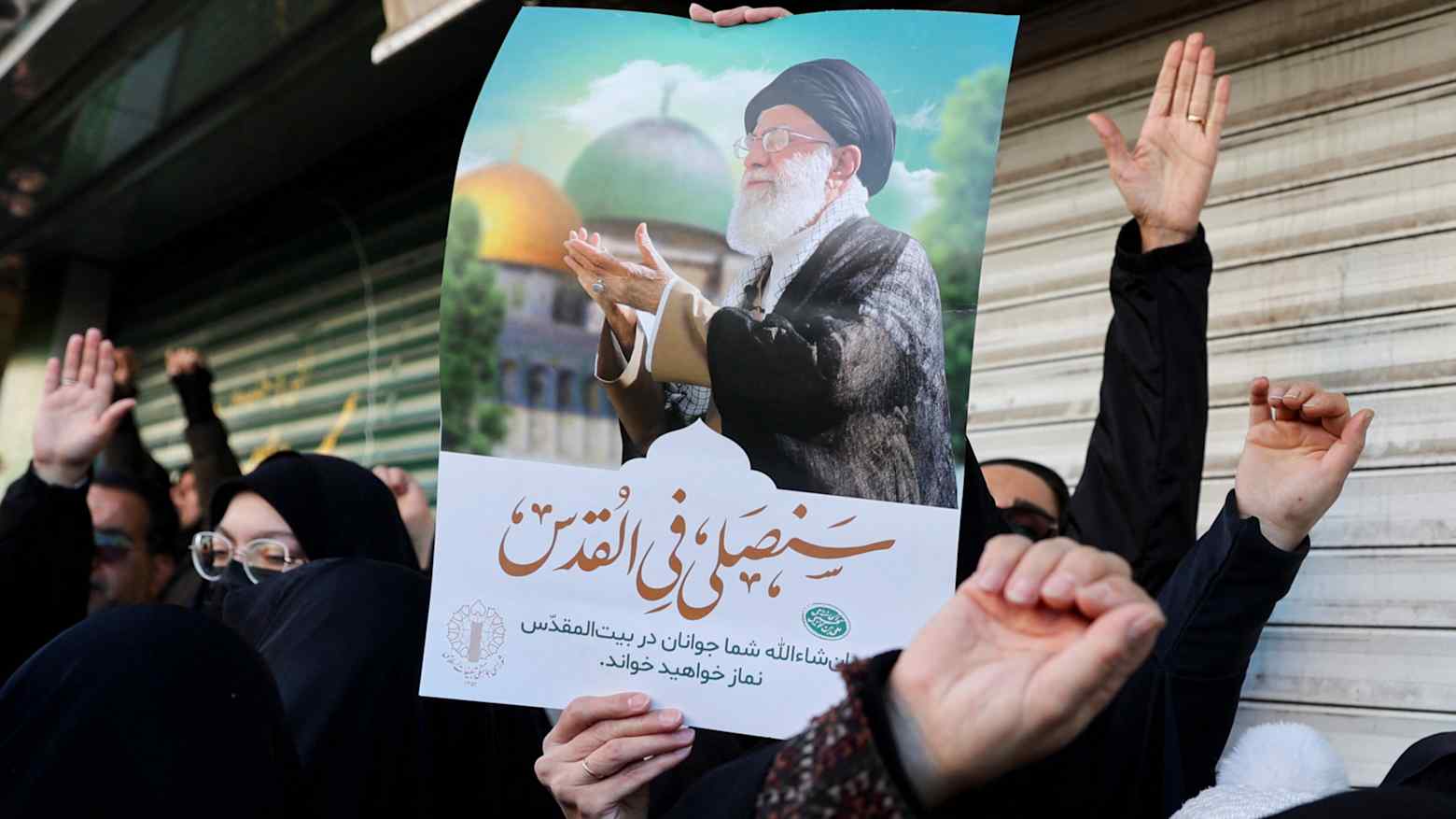
Despite ongoing diplomatic talks aiming to iron out contentious issues surrounding Iran’s nuclear ambitions and missile programs, relations deteriorated rapidly. Details on these Washington-Tehran negotiations reveal how persistent skepticism and mutual distrust sabotaged a delicate path to peace. The swift and forceful military strikes shattered any immediate prospects for compromise, plunging the region into chaos.
The Fallout of Ayatollah Khamenei’s Death in Iran’s Political Landscape
The death of the 37-year-long supreme leader marks an unprecedented turning point in Iran’s trajectory. His demise provoked an explosive mix of demonstrative outrage and jubilant defiance. In Tehran and across the country, mass protests unfolded simultaneously with harsh crackdowns, reflecting the fractured nature of Iranian society today.
International actors have weighed in cautiously, recognizing that the elimination of a figure like Khamenei does not guarantee stability but rather opens a volatile power vacuum. As the Iranian government vows vengeance and escalates military reprisals, the global community braces for a protracted period of uncertainty.
Regional Impact and Expanding Conflict Zones Beyond Iran
The reverberations of this conflict extend well beyond Tehran’s borders. Iran’s missile barrages bathe Israel, the Gulf countries, and US bases in waves of destruction, simultaneously triggering massive security responses and civil unease. Cities like Abu Dhabi and Riyadh experience unprecedented assaults, while the strategic shipping corridor of the Strait of Hormuz becomes increasingly perilous for global trade.
As silence on the diplomatic front gives way to ceaseless skirmishes, the involvement of allies such as Hezbollah drags Lebanon back into armed conflict. This widening theater of war exemplifies how localized strikes can swiftly evolve into multifaceted confrontations engulfing entire regions.
What Lies Ahead: A Prolonged State of Political and Military Unrest
Both Tehran and the coalition forces demonstrate unwavering resolve, suggesting that this volatile stand-off could extend over several weeks or more. Military officials predict sustained confrontations as the core issues around Iran’s nuclear ambitions and regional influence remain unresolved. The international community’s task becomes more complex as allies of both sides brace for extended instability.
The current scenario confirms that the death of Ayatollah Khamenei is not merely an isolated event but the epicenter of a dynamic and evolving political unrest that holds profound consequences for the wider Middle Eastern region and global security.
For further insight into the strategic dimensions shaping this conflict, you can explore the nuances behind Trump’s strategies regarding Iran which continue to influence the unfolding geopolitical chessboard.
