
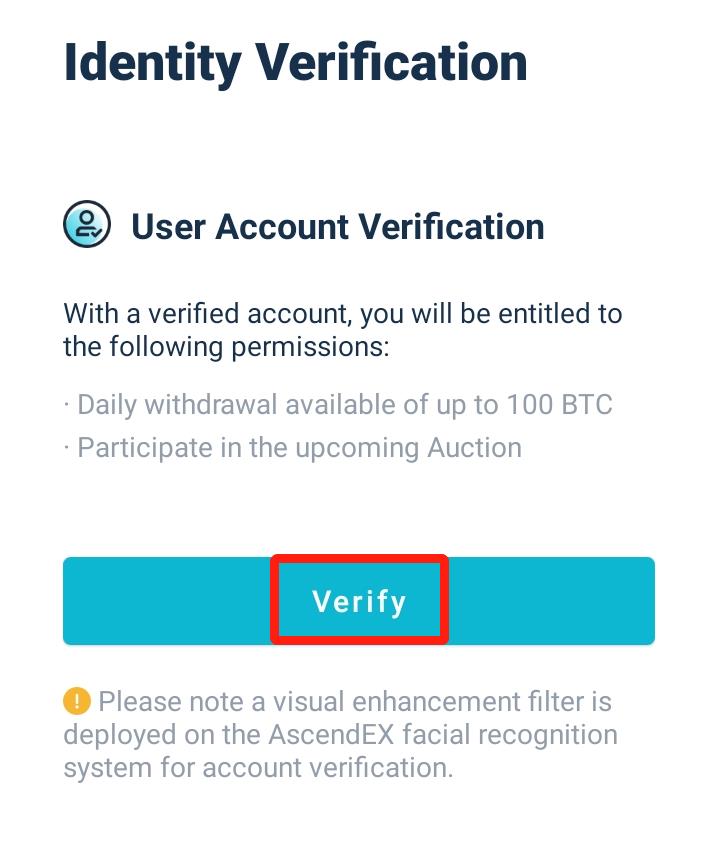
In the complex world of online trading, trust and security serve as the bedrock of a sustainable trading environment. Platforms such as MetaTrader and brokers like Binance, Coinbase, and Charles Schwab recognize that verifying trading accounts is not merely a bureaucratic hurdle but an essential safeguard that protects traders and the broader financial system from fraud and unauthorized activities. As a result, the process of trading account verification ensures that accounts belong to legitimate owners who can confidently execute trades and share their performance transparently.
Account verification encompasses two critical dimensions: Track Record and Trading Privileges. Track Record verification certifies that the historical trading data presented to the public truly corresponds with the broker’s records, boosting the credibility of platforms like Interactive Brokers and TD Ameritrade. Trading Privileges verification, on the other hand, confirms that the user has active control over the account, verified via specific actions on trading platforms such as opening a pending order or changing passwords within MetaTrader setups. This two-pronged approach helps maintain platform integrity and assures users of genuine trading authority, a practice essential for platforms such as Fidelity and Robinhood.
Understanding the Importance of Trading Account Verification in Modern Trading
Trading account verification is pivotal in an ecosystem where digital assets and traditional securities increasingly intertwine. With the rise of accessible trading platforms like eToro and Kraken, verifying accounts has become a frontline defense against identity theft and account tampering. Investors expect not only seamless access but also the confidence that their funds and personal information are shielded by rigorous verification measures. This is particularly significant amid rising concerns over digital fraud, where unverified accounts can become conduits for illicit activities, risking the trader’s capital and undermining the platform’s credibility.
Foregoing verification can lead to restricted access to critical functionalities, such as making accounts public or enabling analytical tools, which are vital for comprehensive trade analysis and community trust. Moreover, the thoroughness of the process—mandated by financial regulations and automated through smart technology—minimizes human error, reducing instances of mistaken account access or fraudulent manipulation. This regulatory compliance is echoed in the rigorous standards adopted by top tier firms like Charles Schwab and Fidelity, exemplifying industry best practices in maintaining market integrity and trader confidence.
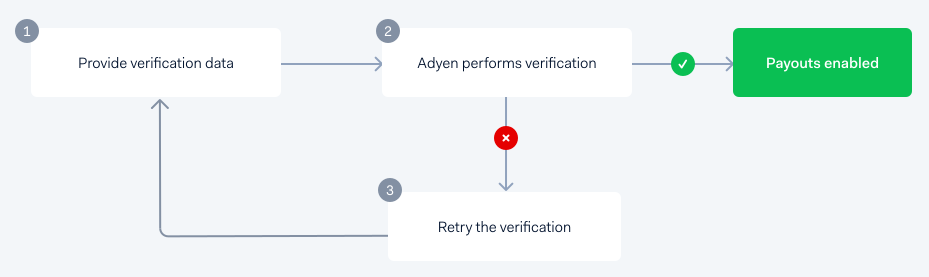
How Trading Privileges Are Verified on Leading Platforms
Verifying trading privileges requires proving control over the account master password, which is the master key to executing trades and managing account settings. Traders can validate this control through two primary methods favored by platforms including MetaTrader and eToro. The first involves changing the investor (read-only) password via the trading terminal’s options menu—this ensures that the user can access and manipulate key security credentials legitimately. The second method involves placing a pending order with a specific authorization code hidden in the order comment, a tactic commonly employed by brokers such as Robinhood and Interactive Brokers to authenticate the trader’s operational authority securely and without risking capital.
These verification steps demonstrate a sophisticated balance between user convenience and heightened security standards, a principle that has been broadly adopted even among cryptocurrency-focused platforms like Binance and Kraken. Importantly, the process is designed with trader protection at its core, meaning no real capital risk is ever required simply to verify trading privileges, maintaining trader confidence during initial onboarding and beyond.
Verifying Track Record: Establishing a Reliable Trading History
A verified track record is indispensable for traders looking to build reputation and trust within communities on platforms such as Myfxbook and across brokerage services like TD Ameritrade and Fidelity. This verification focuses on confirming that the login credentials—including account number and investor password—are valid and that the associated broker and its server are correctly identified. These details are crucial for ensuring that the trade data displayed reflects authentic account activity, free from tampering.
Proper setup, especially for EA publisher accounts, demands meticulous broker and server configuration, which, if neglected, can lead to verification errors or account status ambiguities. Through this rigorous matching of credentials and server details, traders onboard with platforms such as Coinbase and eToro ensure that their performance metrics are not only accurate but also compliant with regulatory standards and internal platform policies. This fosters transparency, a fundamental virtue in the competitive trading landscape of 2025, where regulatory scrutiny and user demand for accountability continue to intensify.

Steps to Confirm a Valid Track Record with Top Brokers
Successful track record verification involves updating the investor password within the account settings on your trading platform and Myfxbook system page. This action confirms that the details correspond exactly to those used on recognized broker platforms and that login credentials function correctly without error. This process aligns with recommendations from trusted services to verify broker credentials to prevent scams and secure trading environments.
Moreover, traders looking to open or manage accounts through platforms like Binance or Charles Schwab will find that properly verified accounts enable full features such as sharing trade analytics or public status updates, enriching their trading experience. Ensuring such verification also aligns with best practices highlighted in guides on opening trading accounts and platform security for trading funds, vital for maintaining integrity and compliance amid growing market complexities.
