
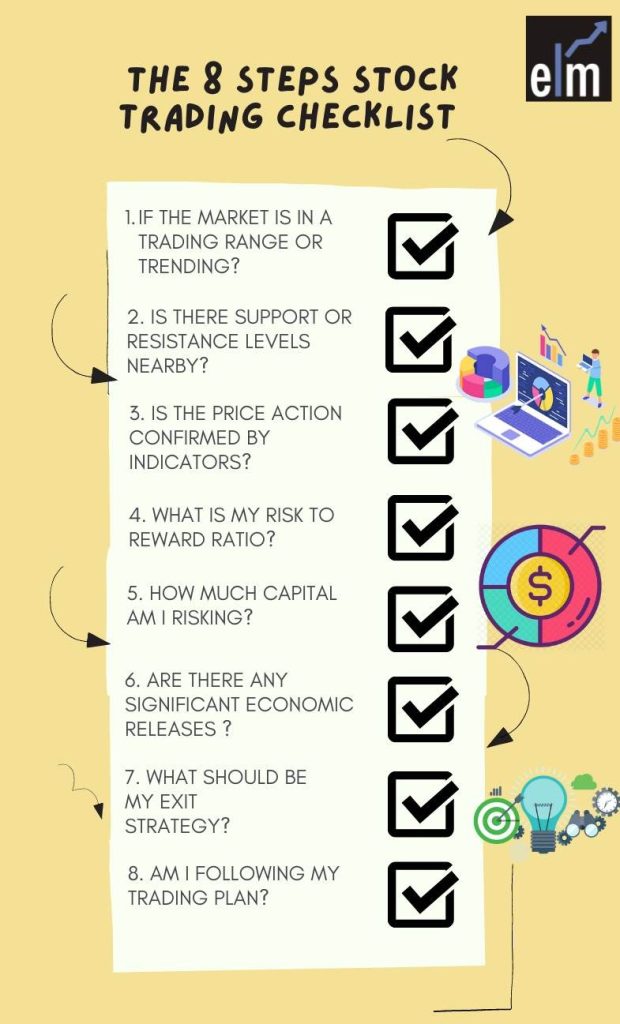
In the intricate and volatile world of trading, selecting the right platform transcends mere preference—it’s a strategic decision that heavily influences your potential for success. Every detail, from the credibility of the broker to the intuitiveness of the software interface, plays a pivotal role in shaping the trader’s experience. In 2025, with evolving regulations and technological advancements, distinguishing between a robust platform and one fraught with risk demands a critical eye and thorough scrutiny. Platforms like E*TRADE, TD Ameritrade, and Interactive Brokers have set high standards in usability and compliance, yet newcomers such as Webull and eToro continually redefine expectations through innovative features. To navigate this crowded arena effectively, traders must weigh factors such as security, cost structures, and customer support with a meticulous checklist, ensuring not only competency but also alignment with personal trading strategies and risk appetites.
In brief: Evaluating a trading platform hinges on several critical factors. A platform’s regulatory compliance confirms its legitimacy and protects investors from malpractices. Security measures and seamless execution speed directly impact trade effectiveness and capital safety. Transparent fee structures determine the true cost of trading, while a comprehensive set of tools tailored to various trading styles ensures versatility. Customer support responsiveness is equally crucial, especially when discrepancies or technical issues arise. Finally, the withdrawal and deposit policies reflect the broker’s reliability and commitment to client convenience. Considering these elements in unison arms traders with the insights needed to make informed decisions in an ever-dynamic financial environment.
Key Regulatory Compliance Factors to Verify in Trading Platforms
Regulatory oversight remains the cornerstone of a credible trading platform. Brokers operating under authorities such as the Financial Conduct Authority (FCA), the U.S. Securities and Exchange Commission (SEC), or the Australian Securities and Investments Commission (ASIC) demonstrate adherence to stringent standards safeguarding investors’ interests. This framework not only ensures ethical conduct but elevates market integrity by mandating transparent reporting and fund segregation policies. For instance, platforms like Interactive Brokers and Charles Schwab maintain rigorous compliance, giving their clients peace of mind regarding fund security and dispute resolution mechanisms.
Reputation and Community Feedback as Indicators of Reliability
While compliance confirms foundational trust, real-world reputation shapes practical confidence. Traders frequently rely on peer reviews to assess a broker’s customer service, withdrawal ease, and platform performance. Platforms such as Robinhood and Fidelity have cultivated communities praising their responsive support and user-friendly design, although scrutiny remains vital. Cross-verifying through diverse forums, including trusted review sites, helps discern organic feedback from manufactured testimonials, a pitfall encountered when platforms inflate their ratings artificially.
Trading Platform Features That Define Usability and Efficiency
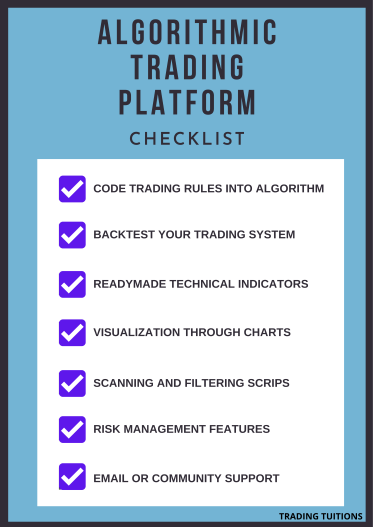
The trading platform serves as the trader’s operational hub, making usability non-negotiable. Essential features include fast execution speeds to avoid slippage, intuitive navigation to minimize errors, and the availability of advanced tools such as algorithmic trading and comprehensive charting utilities. Noteworthy platforms, including MetaTrader and TradeStation, provide customizable interfaces catering to both novices and professionals. Furthermore, mobile compatibility enhances trading flexibility, allowing investors to react swiftly to market changes anytime and anywhere.
Transparent Fee Structures and Their Impact on Trading Profitability
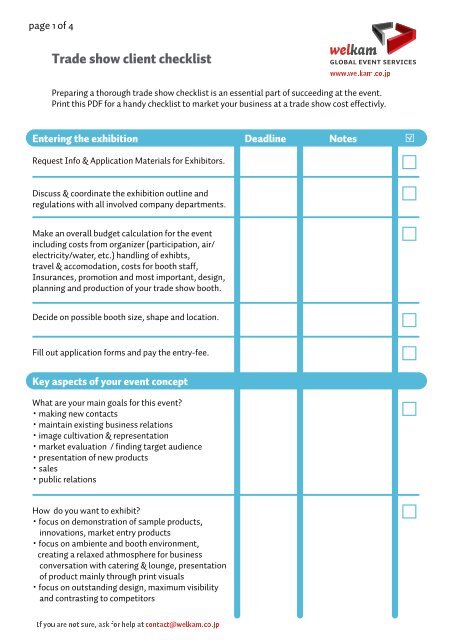
Understanding spreads, commissions, and additional fees is imperative. A platform’s quoted price is seldom its final cost; hidden fees or exorbitant overnight charges can erode gains stealthily. For example, comparing platforms like E*TRADE and newer entrants reveals significant disparities in fee transparency and competitiveness. Traders should seek brokers with straightforward pricing models and low spreads that foster cost-effective trading, particularly vital for high-frequency traders who operate on razor-thin margins.
Customer Support and Monetary Policies: The Pillars of Consistent Trading Experience
Exceptional customer support can mitigate trading disruptions swiftly. Reliable platforms boast 24/7 assistance accessible through multiple channels, confirmed by prompt, knowledgeable responders. This service layer often distinguishes top-tier brokers like TD Ameritrade and Fidelity from less competent alternatives. Equally critical are the withdrawal and deposit policies; ease and speed of transactions reflect the broker’s commitment to client satisfaction. Restrictive or delayed processes often signal systemic issues or potential risks, raising caution among seasoned traders.
