
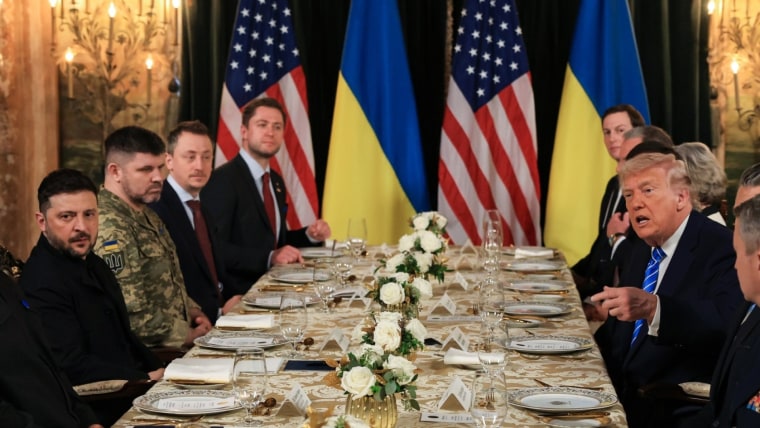
After months of dialogues and seven high-level meetings in 2025 alone, significant yet cautious optimism surrounds the Ukraine conflict negotiations, dominated by strategic talks between Donald Trump and Volodymyr Zelensky. In the final days of December, the Florida resort of Mar-a-Lago became the epicenter of a critical diplomatic push aimed at resolving the frozen combat between Ukraine and Russia, which began in 2022. While decisive breakthroughs remain elusive, the relentless diplomatic engagement points toward notable progress, emphasizing the complex interplay of security guarantees, territorial disputes, and international power dynamics shaping this enduring crisis.
Key developments include:
- Heightened optimism expressed by both Presidents Trump and Zelensky on the proximity of a peace agreement.
- Complex, tough negotiations have led to a revised peace plan, reflecting compromises especially on the contested Donetsk region.
- Active involvement of European allies preparing security guarantees and backing Ukraine’s sovereignty.
- Continuous geopolitical challenges remain with Russia’s military aggression and territorial claims still central obstacles.
- Dynamic diplomacy illustrated by productive telephone exchanges, as well as plans for further high-level meetings into early 2026.
The Nuanced Balance of Diplomacy in the Ukraine Conflict
At the crux of recent diplomatic efforts lies the challenge of reconciling deeply entrenched territorial disputes with the urgent need for peace and stability. Donald Trump, hosting his Ukrainian counterpart in Florida, underlined the difficulty of the negotiations, yet conveyed a sense that progress is tangible. This encounter marked the seventh engagement in a year defined by back-and-forth maneuvering, often shadowed by military escalations such as Russia’s intensified strikes near Kiev and beyond.
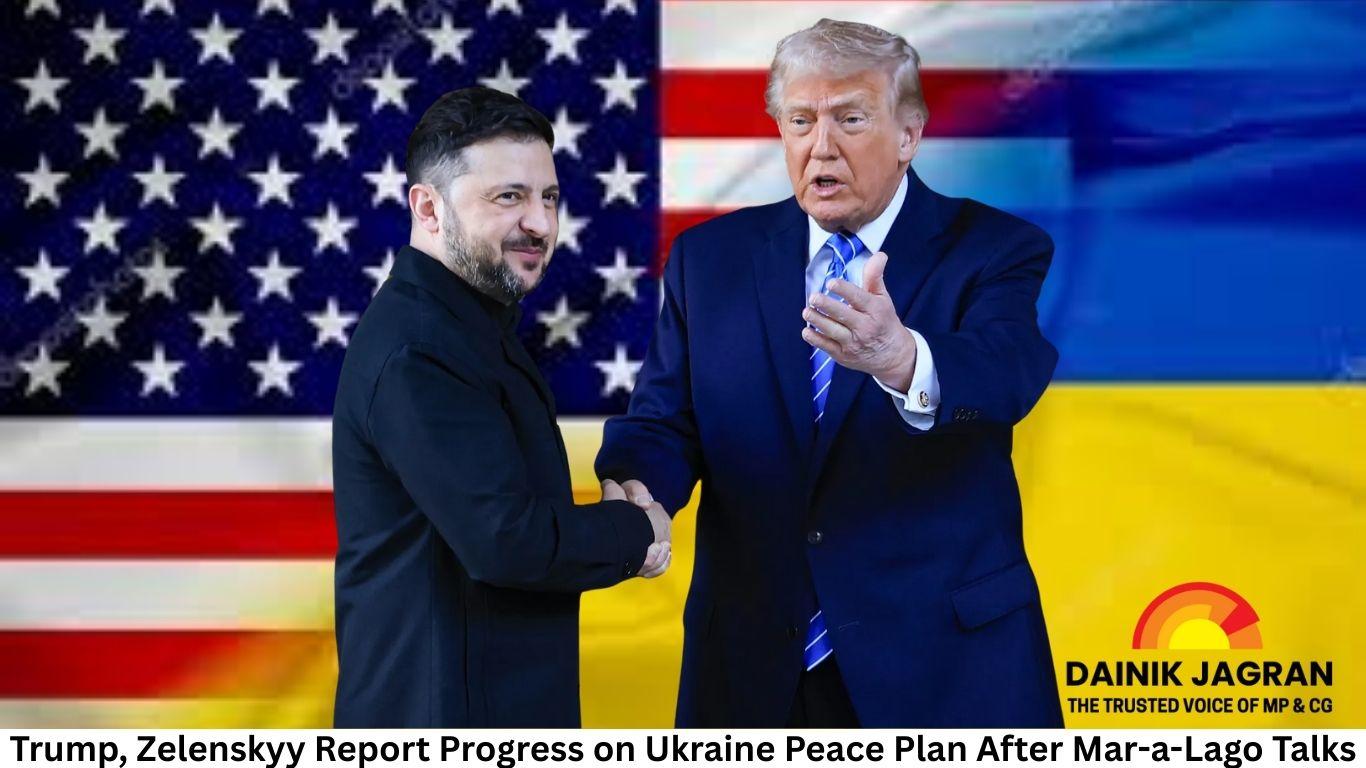
The reworked peace proposal now on the table reflects Ukraine’s hardened stance after rejecting an earlier version considered excessively conciliatory towards Russian demands. The updated plan calls for freezing front lines and removes controversial clauses demanding Ukraine’s troop withdrawal from Donetsk and legally binding commitments against NATO membership. Such resistances highlight the delicate balance between appeasement and sovereignty that defines these talks. Donald Trump’s statement that the parties are « getting a lot closer, maybe very close, » sets a tone of guarded hope but does not obscure the pending complexities.
Security Guarantees and the Role of Western Allies
Integral to any viable peace accord are strong security guarantees from Western allies, particularly European nations. Zelensky emphasized the near completion of such guarantees, vital for Ukraine’s confidence in any ceasefire or long-term ceasefire stability. France’s initiative to convene a summit of Kyiv’s allies in Paris testifies to the international community’s commitment to reinforcing Ukraine’s security framework.
This evolving security architecture aims to deter future aggression but also requires balancing demands from Russia and the perceptions of European neighbours wary of prolonged instability. Adding complexity, ongoing Russian allegations paint the European Union as a major impediment to peace, intensifying diplomatic friction.Read more on the Kremlin’s stance
The Strategic Importance of Donetsk and Regional Stability
The Donetsk region remains a flashpoint in the negotiations. The Kremlin’s demand for Ukraine’s withdrawal here is framed as a necessary step toward ending hostilities, yet it clashes profoundly with Ukrainian sovereignty claims and Western support for Kyiv. The handling of this territorial issue will likely determine the durability of any peace agreement.
Meanwhile, Russia’s recent military maneuvers and its referenced backing from international partners, such as those in Africa impacting global trade dynamics, add layers of complexity to this geopolitical struggle.Explore the impact on broader international relations
Donald Trump’s Diplomatic Strategy and the Path Ahead
Trump’s dual engagement with Zelensky and Poutine underscores a uniquely personalized approach to diplomacy in the Ukraine conflict. His characterization of the telephone call with Russian President Vladimir Putin as « very productive » raises questions about the behind-the-scenes dynamics that might accelerate or hamper progress.
Despite growing frustration expressed by Trump’s administration over sluggish negotiations, this administration’s persistence in dialogue signals a recognition that peace efforts require sustained, patient diplomacy amid volatile international relations.Further analysis on peace talks developments
The prospect of Trump speaking directly before the Ukrainian parliament signals an active role in shaping international opinion and internal Ukrainian consensus in favor of his peace plan, highlighting the interconnection between political outreach and diplomatic progress.
Economic Underpinnings Influencing the Political Climate
Beyond the battlefield and summit rooms, economic variables such as shifts in global oil prices amid the ongoing conflict exert substantial influence on the persistence and resolution avenues of the Ukraine war. These fluctuations affect not only the involved nations but also the global economy, strongly intertwining economic security with political stability.Discover the economic impact
These intertwined facets of military, diplomatic, and economic strategy illustrate the multifaceted nature of the Ukraine conflict and the delicate art of negotiation required to move from confrontation to compromise.
