

War in Ukraine remains a volatile chessboard where Moscow’s refusal to accept Europe at the negotiation table stems from deeper geopolitical calculations than mere territorial claims. As the conflict stretches into a protracted stalemate, Russia is keenly aware that Europe’s involvement might recalibrate diplomatic leverage away from its favor. The Kremlin views European participation as an extension of Western influence, complicating Moscow’s preferred narrative of bilateral talks with Ukraine under its terms. This resistance is intertwined with Russia’s strategic desire to reshape power dynamics on the ground rather than concede through multilateral diplomacy.
In 2026, the war’s terrain is marked by shifting control zones and a persistent deadlock, pushing Moscow to seek maneuvers that alter the balance of power rather than submitting to comprehensive peace talks involving European actors. Russia’s calculated rejection of Europe’s role at the talks reflects concerns over external pressures that could mandate stricter compromises or draw in broader economic and political sanctions. This posture resonates with Russia’s historic emphasis on sovereignty and suspicion towards collective international interventions, especially when they appear to challenge its regional dominance.
The stubborn exclusion of Europe from key discussions raises questions about the efficacy of traditional diplomatic venues, placing a premium on alternative channels and backdoor negotiations. It highlights the complexity of conflict diplomacy where Russia and Ukraine remain entangled not only in battlefield confrontation but also in a contest for narrative control and alliance-building. Europe’s exclusion can thus be seen not only as a tactical move by Moscow but also as a symptom of overarching geopolitical tensions that define the entire peace process, revealing both the limitations and the stakes of enduring peace talks.
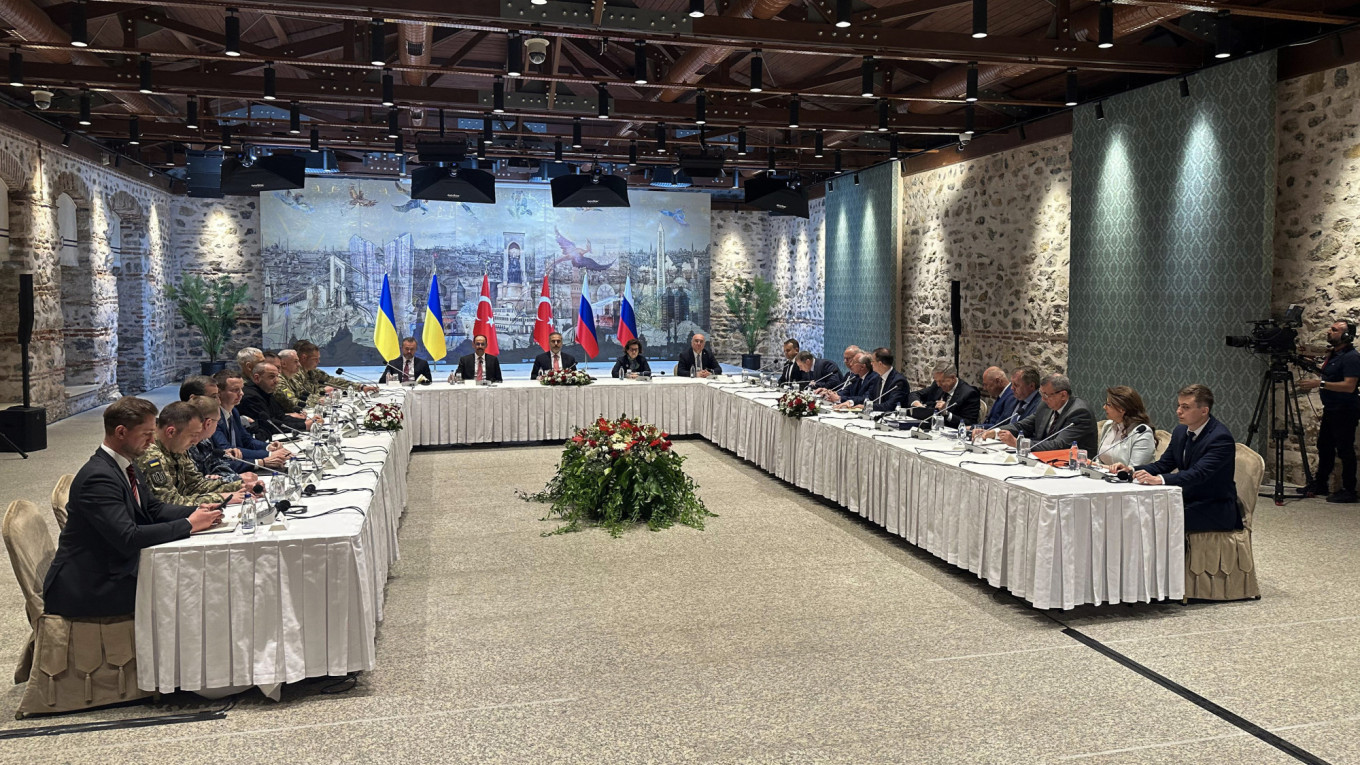
The Strategic Calculus Behind Moscow’s Opposition to European Mediation in Ukraine War Negotiations
Moscow’s consistent rejection of Europe’s presence at the negotiation table is far from a mere diplomatic gesture; it is a manifestation of calculated strategic imperatives designed to safeguard Russia’s interests amid a shifting geopolitical landscape. The Kremlin views European engagement as an intrusion that threatens to dilute Moscow’s influence over the conflict’s resolution. This perspective is anchored in the fear that Europe, leveraging its economic and political weight, might push for terms unfavorable to Russia or impose coalitions that undermine bilateral dialogues.
By sidelining Europe, Russia preserves a negotiating environment with fewer actors, enhancing its room to maneuver and reducing the risk of collective pressure. This exclusion reflects a broader wariness about diplomacy that includes multiple Western stakeholders, which Moscow perceives as an extension of a Western-led containment strategy. Moreover, Russia’s emphasis on direct talks with Ukraine aligns with its image of controlling the conflict’s pace and outcomes, resisting external influences that could tip the diplomatic balance.
The undercurrent of this stance is the Kremlin’s strategic ambition to maintain leverage not just on the battlefield but within the corridors of power, where peace talks are as much about positioning as resolving disputes. Such tactics reveal the complex interplay of military engagements and geopolitical negotiations defining the war in Ukraine’s evolving saga.
Implications for the Russia-Ukraine Conflict Dynamics and European Geopolitical Influence
Russia’s dismissal of European presence at the negotiation table significantly impacts the ongoing conflict dynamics. It effectively sidelines European diplomatic weight and capability to mediate or influence peace talks, forcing alternative routes that often exclude crucial stakeholders. This isolation of Europe hampers the potential for cohesive Western support frameworks and limits multilateral pressure strategies designed to prompt Russian concessions.
This strategic posture also affects how Ukraine navigates the diplomatic landscape, often compelling Kyiv to seek alliances outside Europe or leverage other international partners for mediation efforts. The complex interrelation of geopolitics and military realities underscores a fragmented peace process, where Europe’s potential role is undercut by Russia’s diplomatic stance. This fragmentation risks prolonging conflict and raising the stakes not only for regional stability but for the broader international order that depends on effective conflict resolution.
The intersection of diplomacy and conflict management in Ukraine remains heavily influenced by how Moscow shapes and restricts external mediation efforts. As peace talks face persistent hurdles, understanding why Moscow resists European involvement offers critical insight into the complex chess game of war and diplomacy in 2026.
For an in-depth perspective on the layered negotiation attempts and evolving strategies, readers may explore analyses of recent diplomatic moves at Ukraine peace talks and insights on European diplomatic roles at key negotiation Europe.
