
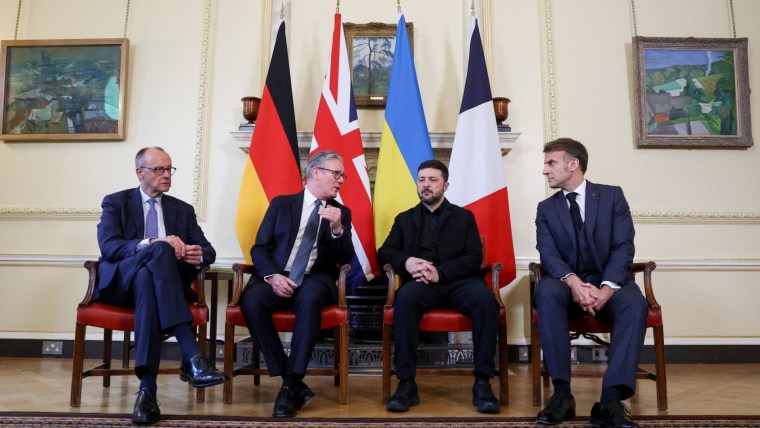
Continued Peace Talks on the Ukraine War in Berlin have unfolded amid intense diplomacy efforts aiming to reach a ceasefire that preserves Ukraine’s territorial integrity. As December 15th witnessed a fresh round of negotiations between Ukrainian President Volodymyr Zelensky and American envoys, Washington’s insistence on territorial concessions in Donbass remains a pivotal contention. Yet, Kyiv stands firm, advocating for a peace process devoid of compromising regions under its control. The day’s climax was marked by a high-level summit gathering European leaders alongside Zelensky to coordinate international relations and mediation efforts.
In the broader international landscape, these discussions come at a time when the European Union faces internal divisions over the utilization of frozen Russian assets to fund Ukraine’s defense, a critical aspect of conflict resolution. Concurrently, Turkey’s interception of an incoming drone from the Black Sea highlights the continuing complexity and volatility surrounding the Ukraine War theater. The German chancellor’s remarks underscore the gravity and opportunity presented by the ongoing peace talks, framing them as a potential turning point in war mediation. However, persistent disagreements over territorial questions underscore the challenges inherent in reconciling diplomatic ambitions with the harsh realities of conflict dynamics.
Dynamics of the Peace Talks on the Ukraine War in Berlin
At the heart of Berlin’s extended negotiations lies a profound clash between the demand for a ceasefire and territorial sovereignty. Ukraine’s refusal to grant territorial concessions contrasts with US and Russian pressures, which envision Donbass transformed into a « free economic zone » or demilitarized area. This fundamental disagreement casts a shadow over conflict resolution prospects, emphasizing how international diplomacy must navigate entrenched positions without sacrificing strategic security guarantees.
The American proposal, praised for its robust security guarantees comparable to NATO’s Article 5, aims to assure Ukraine against future aggression, marking a significant evolution in war mediation. Yet, these guarantees come alongside intense pressure for Kyiv to make tangible compromises. Zelensky’s acknowledgment of productive yet difficult talks signals a nuanced negotiation environment, where progress intertwines with unresolved territorial disputes. European leaders convening with Zelensky, including Chancellor Friedrich Merz, President Emmanuel Macron, and Prime Minister Keir Starmer, further reflect the complexity and significance of international relations shaping the peace process.
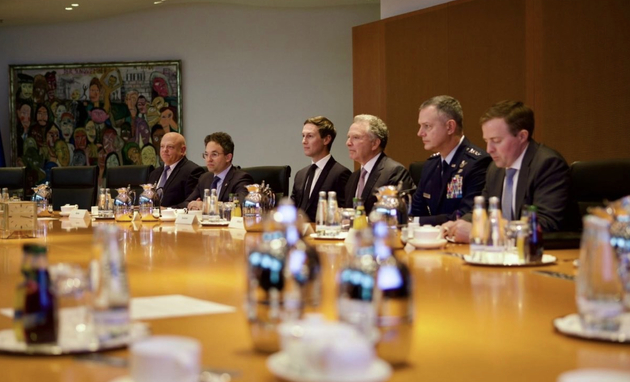
Security Guarantees and the Push for Ceasefire Without Territorial Concessions
The peace process’s cornerstone hinges on balancing effective security guarantees with Ukraine’s sovereignty. Multiple dialogues highlight a proposal offering Ukraine protections akin to NATO commitments, signaling an unprecedented level of assurance from Western powers. However, this framework is entangled with US demands for territorial adjustments in Donbass, which Ukraine finds unacceptable.
This tension illustrates the broader challenge in war mediation: reconciling the imperative for peace with the non-negotiable aspects of national territorial integrity. Zelensky’s stance embodies the resistance to ceding ground in a conflict where sovereignty equates to survival. Meanwhile, the American envoys’ push showcases the geopolitical calculus weighing immediate peace against long-term territorial implications.
The Role of Frozen Russian Assets in Funding Ukraine’s Defense and International Unity
Beyond the negotiation table, the issue of utilizing frozen Russian assets has assumed critical importance in sustaining Ukraine’s defense capabilities. Ukraine’s call for these funds to be « fully deployed » accentuates the urgency of financial resources in the ongoing conflict. The European Union, however, remains divided, with discord threatening the bloc’s credibility and capacity to act decisively in international relations.
The refusal of several member states to endorse initiatives like a European loan exacerbates these tensions, positioning the frozen assets’ utilization as a litmus test for European solidarity in the peace process. German Chancellor Friedrich Merz’s stark warning about the EU’s compromised credibility underlines the political stakes involved. This financial facet entwines with diplomatic efforts, underscoring that effective conflict resolution extends beyond ceasefire talks into economic and strategic domains.
Negotiation Atmosphere amid Ongoing Conflict and Diplomatic Pressures
The environment surrounding the Berlin talks remains charged, underscored by recent military developments and political posturing. Russia’s assertion of intercepting over 130 drones—some targeting key cities like Moscow—demonstrates the persistent war realities that complicate diplomatic endeavors. Simultaneously, Ukraine’s notable counterattacks, such as reclaiming significant parts of Kupyansk, highlight its resilience and bargaining power in these negotiations.
Diplomatic actors operate within this context of fluctuating frontlines and regional stability risks. The combination of military pressure and diplomatic engagement forms a delicate balance that shapes the trajectory of the peace process. With international mediation focused on preventing escalation and fostering dialogue, Berlin serves as the critical arena where competing interests converge toward potential conflict resolution. Yet, as the talks unfold, the juxtaposition of agreements on security guarantees and unresolved territorial demands signals a fragile path ahead.
