

As the Ukraine War intensifies in 2026, Ukrainian Forces have achieved a significant strategic victory by reclaiming 435 square kilometers of their territory from Russian control. This development highlights not only the resilience and tactical acumen of Ukraine’s military but also the increasingly complex dynamics in Eastern Europe’s ongoing conflict. The liberation of this extensive area reflects concerted offensive operations alongside crucial defensive maneuvers that have disrupted Russia’s ambitions in the region. While these gains inject optimism into Kyiv and its Western allies, the persistent threat of a renewed Russian offensive, especially in the eastern territories such as Donetsk and Louhansk, underscores that the conflict remains far from resolution.
Key points: Ukrainian Forces secured over 400 sq km of territory in the southern region; the liberation serves as a tactical disruption to Russia’s war plans; Russia continues to occupy approximately 20% of Ukrainian land; ongoing diplomatic efforts focus on territorial negotiations under international auspices.
Ukrainian Military Advances Reflect Strategic Shifts in the Ukraine War
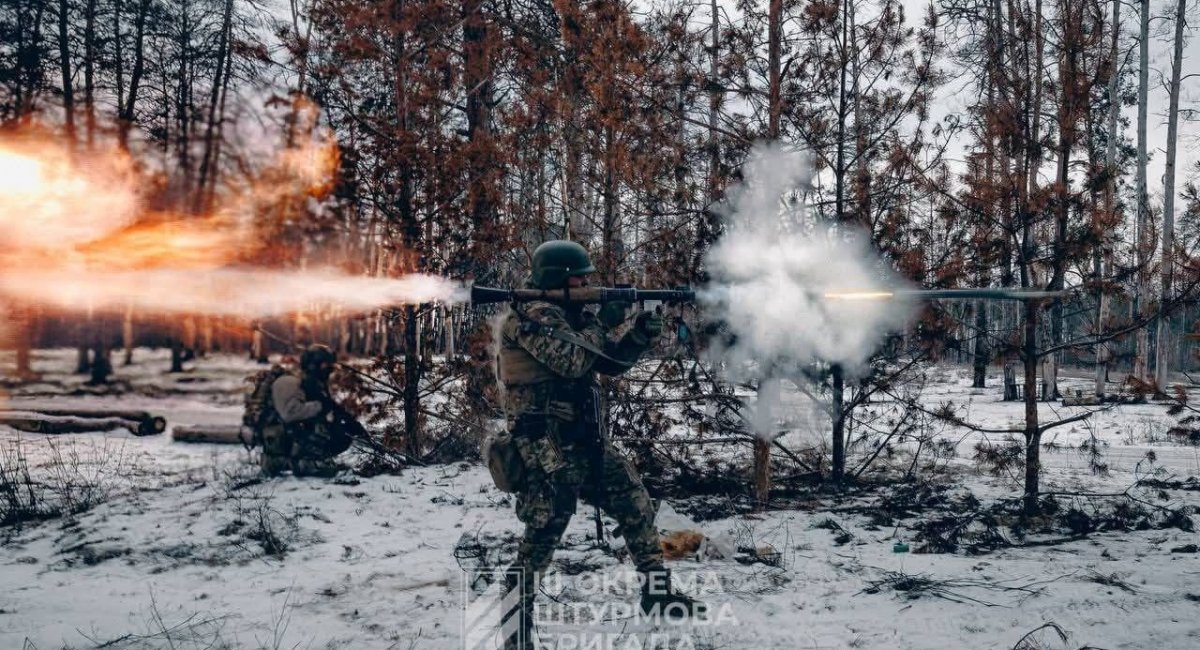
The maneuvering of Ukrainian Forces leading to the liberation of 435 square kilometers exemplifies a crucial turning point in the Eastern Europe conflict. According to President Volodymyr Zelensky, this recovery demonstrates a blend of defensive and offensive military actions purposely designed to undermine Russian strategies. Such efforts have profoundly affected the course of the war, as the Ukrainian military capitalizes on vulnerabilities in Russian communication systems, particularly following observed disruptions in Russian Starlink terminals. These tactical successes reveal not only the adaptability of Ukraine’s armed forces but also the weakening offensive capacity of Russia despite its continued presence in the region.
This progress stands as a testament to Ukraine’s determination, challenging Moscow’s objectives that primarily focus on consolidating power over the eastern provinces, specifically Donetsk and Luhansk. The focus on regaining control over southern territories serves both military and morale-boosting purposes, underscoring Ukraine’s commitment to reclaim sovereignty across occupied zones.
Russia’s Continued Occupation and the Complex Negotiation Landscape
Despite recent Ukrainian advances, Russia holds sway over approximately 20% of Ukraine’s landmass, much of which has been contested since 2014. The territorial dispute remains the pivotal issue obstructing peace talks and diplomatic solutions. The complexity of the conflict is compounded by entrenched political aims and military postures on both sides. Russian strategy, as analyzed by experts, consistently aims at finalizing control over eastern Ukrainian regions while facing increasing resistance and setbacks.
The ongoing negotiations under American and international mediation reflect not only the need to halt bloodshed but also the challenge of reconciling divergent ambitions regarding territory. Discussions linked to Ukraine-Russia negotiations emphasize the struggle to reach compromises while Moscow furthers its eastern push. Meanwhile, Kyiv’s insistence on recovering its full territorial integrity remains a central negotiating position.
In parallel, Ukrainian diplomatic engagements are increasingly supported by Europe, fostering a unified stance against aggression and facilitating economic and military assistance. This geopolitical alignment influences both battlefield dynamics and broader European talks involving Ukraine and its allies, adding layers of complexity to conflict resolution efforts.
The regained territories do more than shift military lines; they are critical for controlling key supply routes and denying Russia strategic depth. Such gains may alter the momentum heading into the spring, a season generally anticipated for escalated confrontations.
Military Successes and Their Influence on Regional Stability
The combination of Ukrainian defensive successes and targeted offensives reflects a broader strategy to erode Russian operational capabilities. These actions not only disrupt Moscow’s immediate plans but set the stage for sustained pressure in the long term. The liberation of southern areas consolidates Ukraine’s defense posture and boosts morale among troops and the civilian population alike.
However, the persistence of conflict over eastern territories signals that the war’s endpoint remains elusive. Moscow’s emphasis on securing Donetsk and Luhansk province remains unchanged, despite current operational delays. For Ukraine, regaining these regions is vital not only for sovereignty but also for economic and symbolic reasons. The dynamic battlefield contributes to fluctuating territorial control, which directly affects international perceptions, investment flows, and the broader strategic calculus in this protracted struggle.
